
Blog
Fine Jewelry for Sensitive Skin: Your Guide to Irritation-Free Elegance
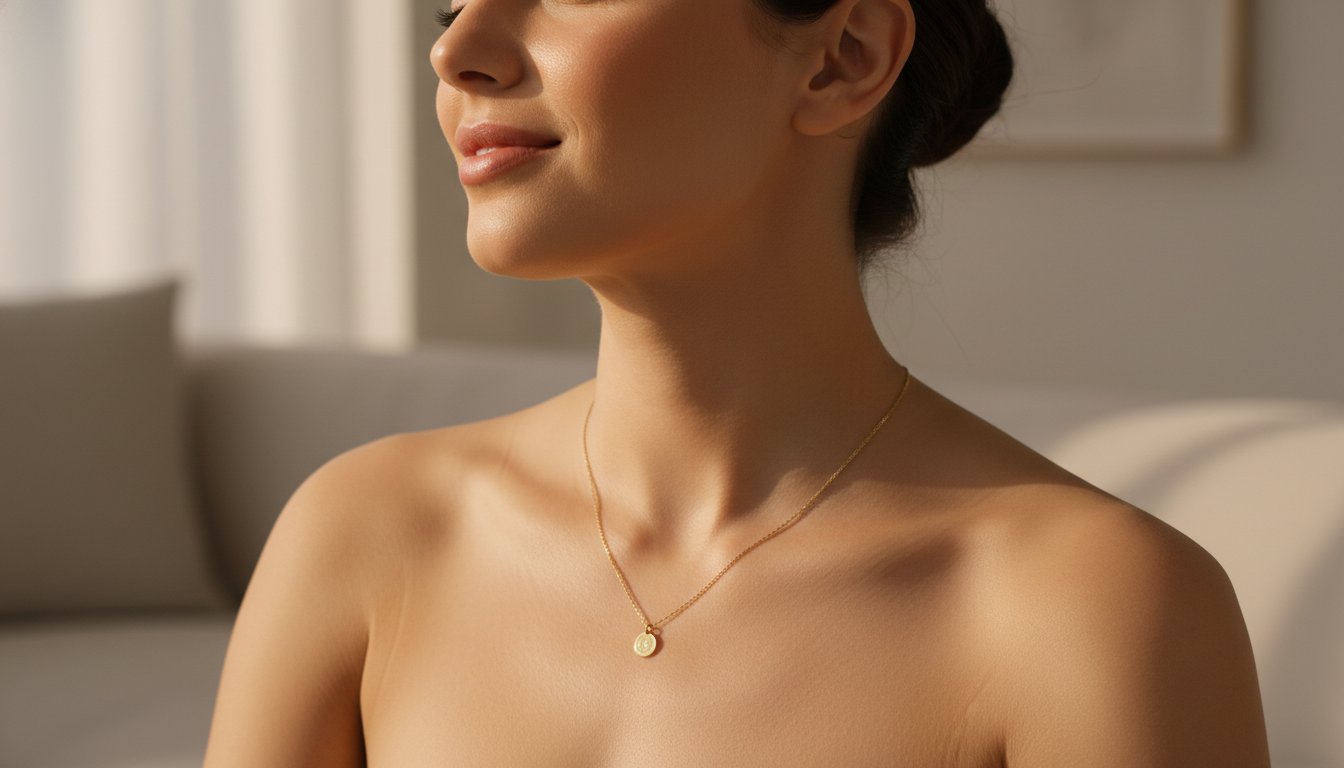
There’s a quiet disappointment that every woman with reactive skin knows well: the moment a beautiful new necklace or a pair of elegant earrings leaves behind an itchy, red mark. This frustrating reality can make you feel as though the world of beautiful accessories is closed off, forcing you to choose between comfort and style. But the story doesn’t have to end there. The key to unlocking irritation-free elegance lies in understanding and choosing the right fine jewelry for sensitive skin, turning a source of frustration into a celebration of your personal style.
Consider this your personal guide to reclaiming the joy of accessorizing. We will demystify the confusing world of metal purities and ‘hypoallergenic’ labels, revealing which materials are truly kind to your skin. Together, we’ll explore the artistry behind handcrafted pieces you can wear with confidence, transforming the fear of a reaction into the freedom of self-expression. It’s time to build a collection of meaningful, modern jewelry that celebrates your story, every single day.
Key Takeaways
- Discover the simple science behind jewelry irritation, empowering you to understand your skin’s needs and choose with confidence.
- Identify the purest, skin-friendly metals that make the best fine jewelry for sensitive skin, turning your next purchase into an investment in comfort.
- Uncover which common alloys to avoid, understanding how a low price tag can often come with a hidden cost to your skin’s well-being.
- Adopt simple, elegant care practices to ensure your treasured pieces remain beautiful and irritation-free for years to come.
The Unspoken Story: Understanding Why Your Skin Reacts to Jewelry
You find a piece of jewelry that speaks to you-a delicate necklace, a modern ring-only to be left with itchy, red skin after wearing it. It’s a frustrating and deeply personal experience. But the story here isn’t about flawed skin; it’s about the metals used to craft the jewelry. Understanding this is the first step toward adorning yourself with confidence and choosing beautiful fine jewelry for sensitive skin that you can treasure for a lifetime.
The most common signs of a reaction are often unmistakable and uncomfortable. You might notice:
- Persistent itching or a burning sensation where the metal touches your skin.
- Redness, rashes, or small bumps appearing after a few hours of wear.
- Discoloration on your skin, sometimes leaving a green or black mark.
What is Contact Dermatitis?
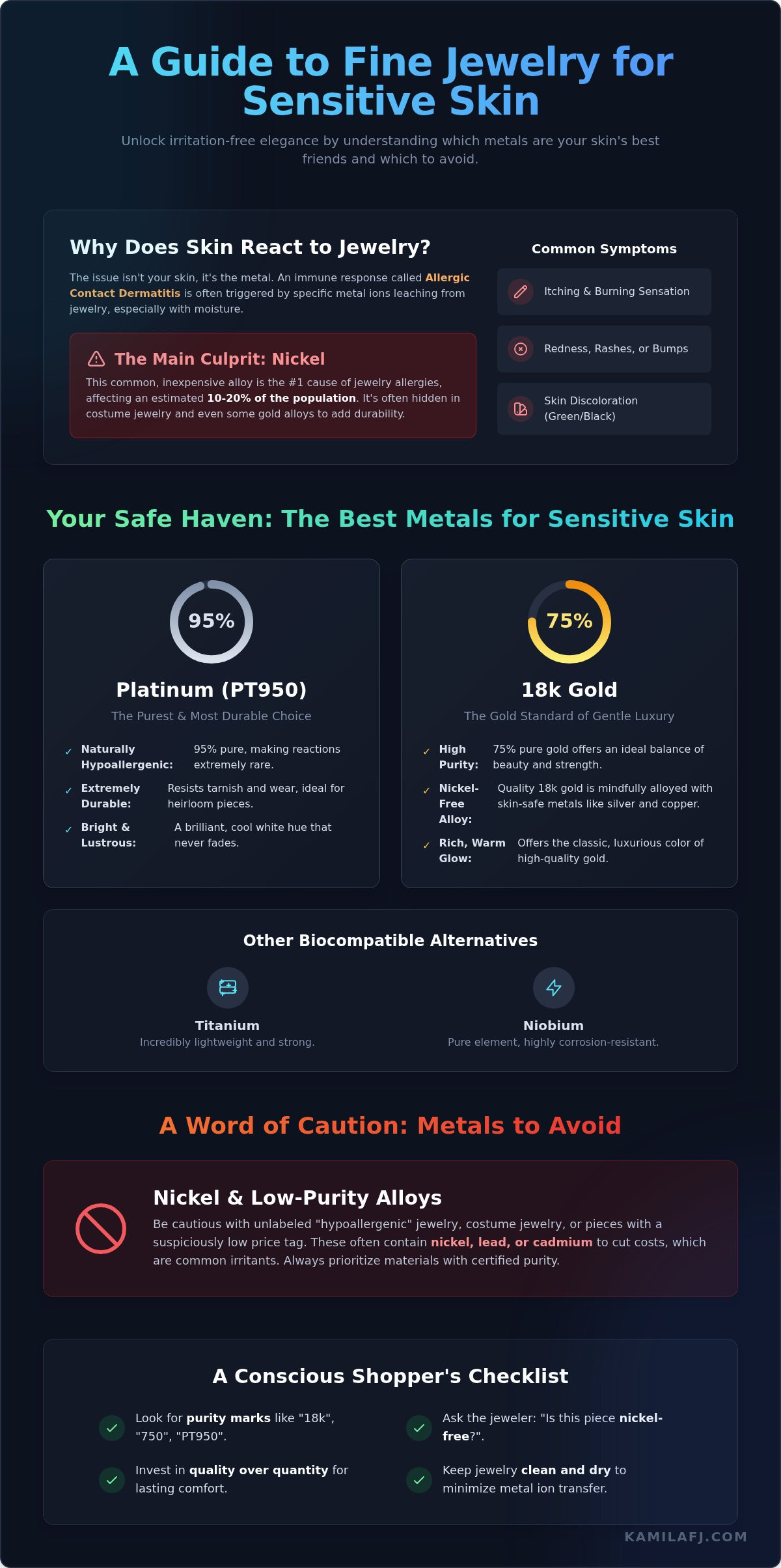
This reaction is known as allergic contact dermatitis, an immune system response to an otherwise harmless substance. When you wear jewelry made from certain metal alloys, tiny, invisible metal ions can leach from the piece, especially with exposure to moisture or sweat. Your immune system may mistakenly identify these ions as a threat, triggering an inflammatory response. This is a classic sign of a Metal allergy, which is different from simple irritation caused by friction. It’s your body’s unique way of protecting you.
Nickel: The Hidden Irritant in Common Jewelry
The primary culprit behind most jewelry allergies is nickel. So why is it so common? Nickel is a strong, inexpensive metal that is often mixed into alloys to add durability and a bright, silvery finish. It’s frequently found in costume jewelry, but it can also hide in the clasps of necklaces, earring posts, and even some white or yellow gold alloys. With an estimated 10-20% of the population having a sensitivity, nickel allergy is remarkably widespread, making it the most unspoken part of the jewelry story.
Your Safe Haven: The Best Metals for Fine Jewelry and Sensitive Skin
Choosing a piece of fine jewelry is an intimate decision. It should feel like a second skin, a personal talisman that brings you joy without a second thought. For those with reactive skin, this sentiment is literal. The secret to comfortable, all-day wear lies in the purity and inherent properties of the metal itself. Investing in true fine jewelry for sensitive skin is not just an aesthetic choice; it’s a meaningful investment in your skin’s health and daily comfort.
When a metal is pure and chemically inert, it is far less likely to cause a reaction. This is why we champion a hierarchy of trusted, precious metals that allow you to wear your story with confidence and grace, proving that safety and sophisticated design can coexist beautifully.
18k Gold: The Gold Standard of Gentle Luxury
The ‘k’ in 18k gold stands for karat, a measure of purity. At 75% pure gold, 18k gold reaches a significant threshold for gentleness. The remaining 25% is a carefully balanced alloy of metals like copper and silver, which enhance its strength. Crucially, high-quality 18k gold is formulated to avoid nickel, one of the most common metal allergens that often causes irritation. This thoughtful composition offers the perfect harmony of purity for comfort and durability for the art of everyday wear, all while glowing with a rich, warm elegance.
Platinum: The Purest & Most Durable Choice
For the ultimate peace of mind, platinum is in a class of its own. Naturally hypoallergenic, it is typically 95% pure (marked as PT950) and does not require any additives to achieve its stunning, bright white luster. Renowned for its density and strength, platinum is exceptionally resistant to tarnish and wear, making it the premier choice for engagement rings and heirloom pieces designed to be cherished for generations. Its cool, brilliant hue provides a timeless canvas for diamonds and gemstones.
Beyond Gold and Platinum: Other Hypoallergenic Options
The world of skin-friendly metals also includes modern, industrial options that are celebrated for their biocompatibility.
- Titanium: Incredibly lightweight yet strong, it’s a non-reactive metal often used in medical implants.
- Niobium: A pure, inert element that is highly resistant to corrosion and is a trusted choice for body piercing jewelry.
While these materials offer excellent safety, our heart and artistry at KaMila are devoted to the enduring legacy and emotional warmth of precious metals. We believe your most personal stories are best told in the timeless language of gold and platinum.
A Word of Caution: Metals to Avoid for Sensitive Skin
Part of the joy in building a personal jewelry collection is the confidence that comes with knowledge. Understanding which materials to embrace and which to leave behind empowers you to choose pieces that feel as good as they look. While a low price tag can be tempting, it often comes with a hidden cost for those with sensitive skin. Let’s demystify some of the most common materials that can cause irritation, so you can curate your collection with complete peace of mind.
The Common Culprits: Nickel, Cobalt, and Chromium
These three metals are the leading causes of contact dermatitis from jewelry. Nickel, in particular, is a very common trigger. According to the Cleveland Clinic, a nickel allergy is one of the most frequent causes of allergic skin reactions. These metals are often used as a base in plated costume jewelry. While a piece might look like gold or silver initially, the thin plating can wear away, exposing your skin to the irritating alloy beneath and causing redness, itching, or a rash.
What About Sterling Silver and Lower-Karat Golds?
Even metals considered high-quality can sometimes pose a risk. When selecting fine jewelry for sensitive skin, it’s important to understand the alloys.
- Sterling Silver (925): This beautiful metal is 92.5% pure silver. However, the remaining 7.5% is a mix of other metals to add strength, and this alloy can sometimes include nickel.
- 14k and 10k Gold: Because they contain a higher percentage of alloy metals than 18k or 24k gold, the risk of a reaction increases. A 10k gold piece is more than 58% alloy.
Our advice: Always choose a trusted jeweler who can guarantee their alloys are nickel-free, ensuring your piece is truly crafted for comfort.
Beyond Allergies: Brass, Copper, and Bronze
These warm-toned metals are popular in fashion jewelry, but they come with a notable characteristic: oxidation. When exposed to air and your skin’s natural oils, they can tarnish and leave a green or black stain on your skin. While this is typically a harmless chemical reaction and not an allergy, it can be mistaken for one and is often undesirable. For pieces that have prolonged contact with your skin, like rings or everyday pendants, it’s best to avoid these metals.
How to Choose Your Next Piece: A Conscious Shopper’s Guide
Navigating the world of jewelry with sensitive skin shouldn’t feel like a compromise. Instead, view it as an opportunity for conscious curation-an act of self-care where you choose pieces that not only tell your story but also honor your body. Finding the perfect piece is about shifting from avoiding irritation to joyfully seeking out artistry and purity. This guide will empower you to shop with confidence, transforming your next purchase into a meaningful celebration of you.
Decoding the Details: Reading Hallmarks and Descriptions
True transparency is etched directly onto the metal. When shopping for fine jewelry for sensitive skin, learn to read the language of hallmarks and descriptions. Look for stamps that guarantee purity:
- 18k or 750: Signifies the piece is 75% pure gold, an ideal balance of purity and strength.
- PT or 950: Indicates the piece is 95% pure platinum, one of the most biocompatible metals available.
Be discerning about vague terms like ‘hypoallergenic,’ which is not a regulated standard. Understand the critical difference between solid gold-a pure, consistent material through and through-and pieces that are ‘plated’ or ‘vermeil.’ The latter have a thin layer of gold over a base metal (like brass or silver), which can eventually wear away and expose your skin to potential irritants.
Questions to Ask Your Jeweler
A reputable jeweler will welcome your questions and value your well-being. Arm yourself with knowledge and don’t hesitate to inquire directly. This open communication builds trust and ensures your final choice brings you nothing but joy. Consider asking:
- Is this piece solid 18k gold or platinum, with no plating?
- Can you confirm the specific alloys used in this piece?
- Do you guarantee your jewelry is nickel-free?
The KaMila Promise: Artistry in Pure Materials
At KaMila, we believe that luxury should feel as good as it looks. Our commitment is rooted in using only the purest materials-solid 18k gold and 950 platinum-to create timeless designs. We meticulously craft every piece with your comfort and story at the forefront, ensuring that our jewelry is a beautiful and safe form of self-expression for even the most sensitive skin.
Your jewelry should be a second skin, a personal talisman that moves with you through life. Wear it as an expression, not an irritation. Discover our collection of 18k Gold everyday essentials.
Caring for Your Skin and Jewelry: Long-Term Harmony
Choosing your jewelry is the beautiful beginning of a story. Caring for it is how that story continues to shine, day after day. Even with the highest quality hypoallergenic metals, the harmony between your piece and your skin depends on a mindful care routine. This simple practice isn’t a chore; it’s a quiet ritual that honours the artistry of your jewelry and ensures it remains a comfortable, intimate expression of you.
The Importance of a Gentle Cleaning Ritual
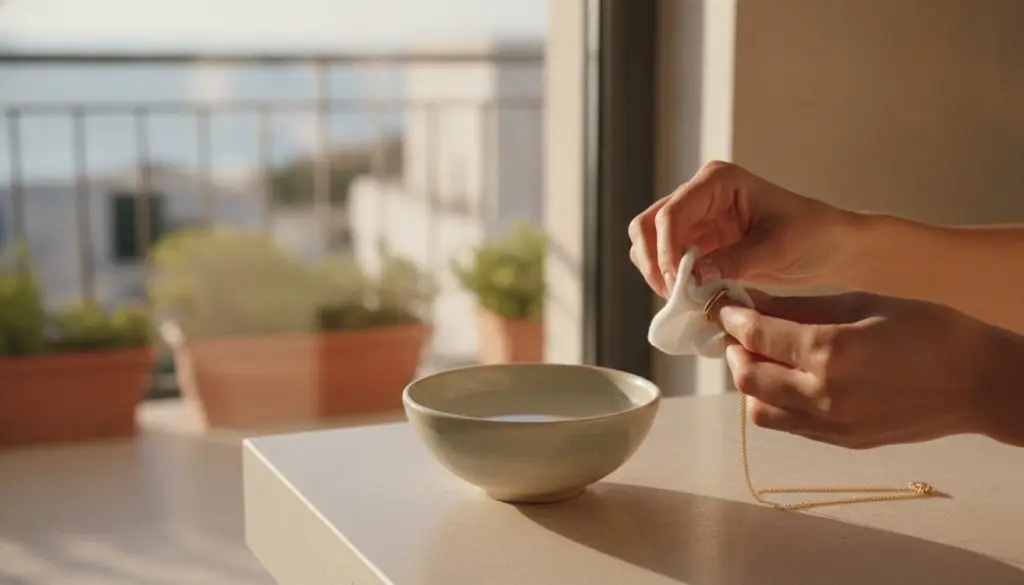
Throughout the day, residues from lotions, soaps, and natural skin oils can accumulate on your jewelry. This buildup can trap moisture and potential irritants against your skin, leading to discomfort. A weekly cleaning ritual keeps your pieces brilliant and your skin happy. Simply soak your jewelry in a bowl of warm water with a few drops of mild, phosphate-free soap. Use a soft-bristled brush to gently clean around settings and in crevices before rinsing and patting dry with a soft, lint-free cloth.
Know When to Go Bare
Part of cherishing your fine jewelry for sensitive skin is knowing when to give it-and your skin-a moment to rest. This protects its integrity and prevents irritation from trapped moisture or harsh chemicals. We recommend creating small, mindful habits around when you wear your pieces.
- Before a Swim: Remove your jewelry before entering a swimming pool or the sea. Chlorine and salt water can be harsh on precious metals and gemstones.
- During Your Beauty Routine: Take off rings and bracelets before applying thick hand creams, lotions, or using hand sanitizer to prevent residue buildup.
- For Intense Workouts: Consider removing your jewelry during strenuous exercise. This prevents sweat from being trapped against your skin and protects your pieces from potential damage.
By integrating these simple acts of care, you ensure your handcrafted jewelry remains a source of pure joy and celebration. This thoughtful attention preserves the bond between you and your treasured pieces, allowing them to remain a seamless part of your personal narrative for years to come. Explore our full collection of mindfully crafted jewelry designed for a lifetime of comfortable, elegant wear.
Embrace Your Elegance, Without Compromise
Your journey to finding the perfect fine jewelry for sensitive skin is not one of restriction, but of mindful celebration. It begins with understanding your personal story-why your skin reacts-and then choosing materials like pure 18k gold and platinum that honor your well-being. This conscious choice empowers you to wear pieces that are not only beautiful but feel like a natural, comfortable part of you, every single day.
At KaMila, this philosophy is at the heart of our artistry. Our thoughtful, modern designs are handcrafted with a personal, artisan-led commitment to quality and comfort, using only pure 18k gold and platinum. We believe your jewelry should tell your story with grace and confidence, making every moment feel special. It’s time to adorn yourself without hesitation.
Explore Our Handcrafted 18k Gold Collection and discover the irritation-free elegance you deserve.
Frequently Asked Questions
Is 14k gold generally safe for people with sensitive skin?
Yes, for many, 14k gold is a wonderful and safe choice. As an alloy, it is 58.3% pure gold, with the remainder being a mix of metals like silver and copper. High-quality, mindfully crafted 14k gold avoids nickel, the most common irritant. While higher karats like 18k contain more gold, 14k offers the perfect balance of strength and purity, making it a durable and beautiful option for your daily story without compromising on comfort.
What does ‘nickel-free’ or ‘hypoallergenic’ actually guarantee?
These terms offer different levels of assurance. ‘Nickel-free’ is a direct promise that the metal alloy contains no nickel, making it the safest bet for those with a known sensitivity. ‘Hypoallergenic’ is a broader term, meaning the jewelry is *less likely* to cause a reaction. However, it’s not a guarantee, as sensitivities to other metals like copper or cobalt can still occur. For true peace of mind, we always recommend prioritizing nickel-free materials in your collection.
Are lab-grown diamonds and other gemstones hypoallergenic?
Absolutely. Gemstones themselves, whether a brilliant lab-grown diamond or a vibrant sapphire, are inert and will not cause a skin reaction. The source of sensitivity is always the metal setting that cradles the stone and touches your skin. When choosing a piece, focus on the metal that forms the band, prongs, or earring back. Pairing a stunning, sustainable gemstone with a nickel-free gold or platinum setting ensures your jewelry is both beautiful and kind to your skin.
Can I suddenly develop an allergy to jewelry I’ve worn for years without issue?
It is surprisingly common to develop a sensitivity to a piece you’ve worn and loved for years. Metal allergies, especially to nickel, can be cumulative. This means your body can reach a tolerance threshold after prolonged exposure, suddenly triggering a reaction like redness or itching. It doesn’t mean your jewelry has changed; rather, your body’s response to it has. This is often the moment people begin their journey to discover truly skin-friendly materials.
How can I test a piece of my existing jewelry for nickel at home?
You can easily test your personal collection at home with a dimethylglyoxime (DMG) spot test, often sold as a “Nickel Alert” kit. These kits are simple to use and can be found online or in some pharmacies. You just apply a drop of the solution to a cotton swab and rub it against a discreet area of your jewelry. If the swab turns pink or red, it confirms the presence of nickel, helping you identify which pieces might be causing irritation.
Is rose gold or white gold better for sensitive skin?
The answer lies in the specific alloys used. Rose gold’s warm hue comes from a higher concentration of copper, which can be an allergen for a small number of people. Traditional white gold often contains nickel to achieve its silvery color. However, modern white gold pieces are frequently alloyed with palladium, a precious, platinum-group metal that is hypoallergenic. For this reason, a high-quality, palladium-based white gold is often the superior choice when searching for beautiful fine jewelry for sensitive skin.
Related Posts

Jewelry Design in Haifa: What to Expect in 2026
-
Posted by
מילה קלר
If you’re searching “jewelry design consultation in Haifa what to expect,” you may be wondering what to bring, which decisions you’ll need to make,…
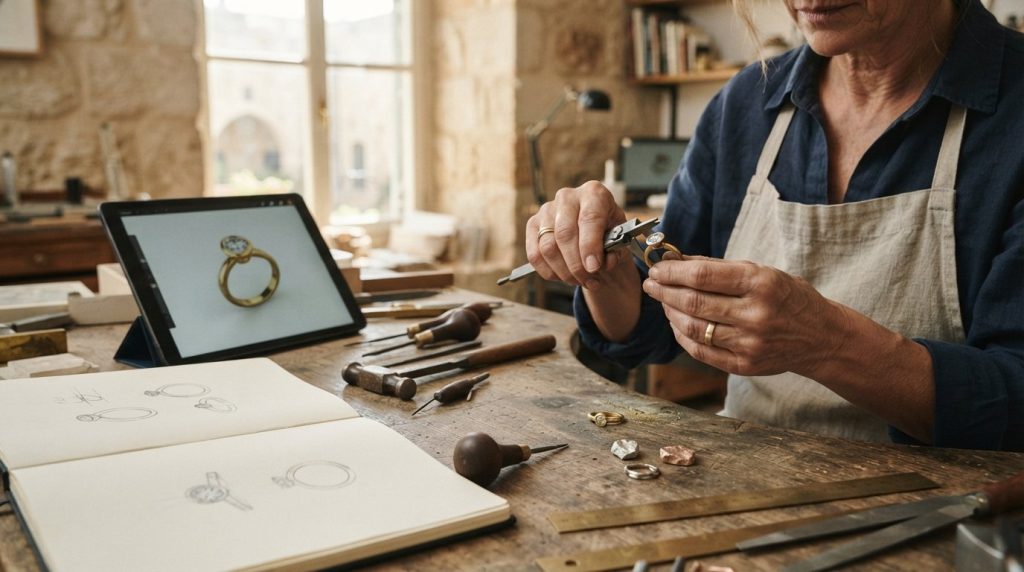
Designing a Custom 18k Gold Ring: 2026 Bespoke Guide
-
Posted by
What if the most exquisite jewelry you ever own isn’t reserved for formal galas, but crafted to enrich your daily life? When you start exploring…
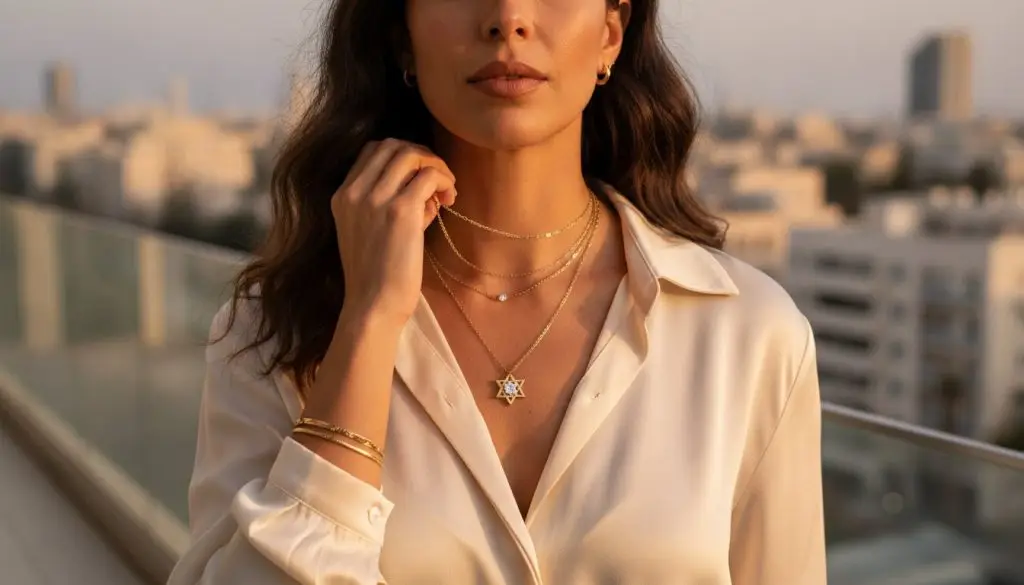
Jewelry That Makes Me Feel Protected and Strong: A Guide to Modern Talismans
-
Posted by
Most people view a necklace or a ring as a simple finishing touch, but for the modern woman, it’s often the first layer of emotional armor she puts…
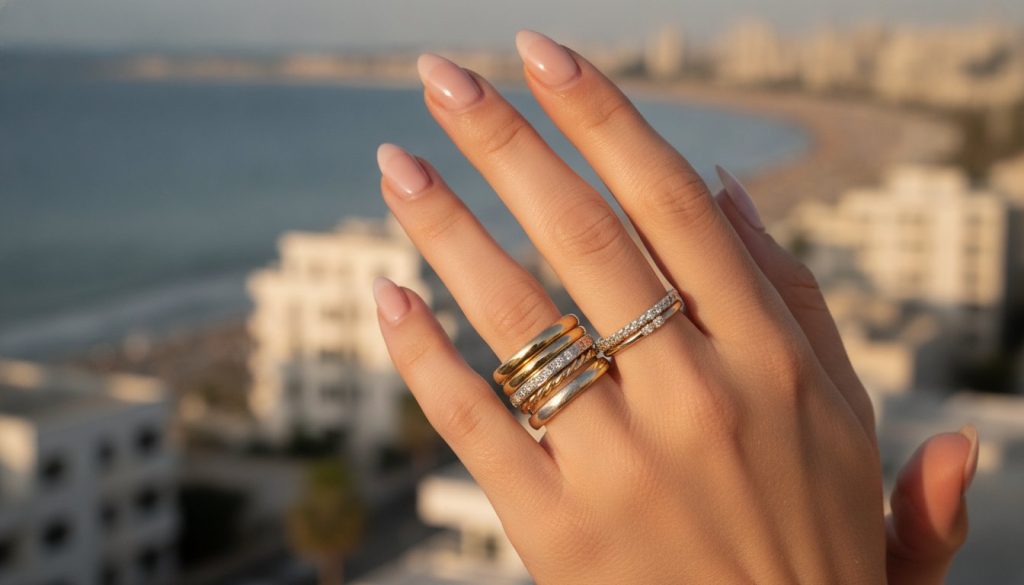
How to Stack Rings: The Art of Curating Your Personal Story in 18K Gold
-
Posted by
What if your jewellery box wasn’t just a collection of objects, but a living timeline of your most cherished milestones? You’ve likely looked at a…
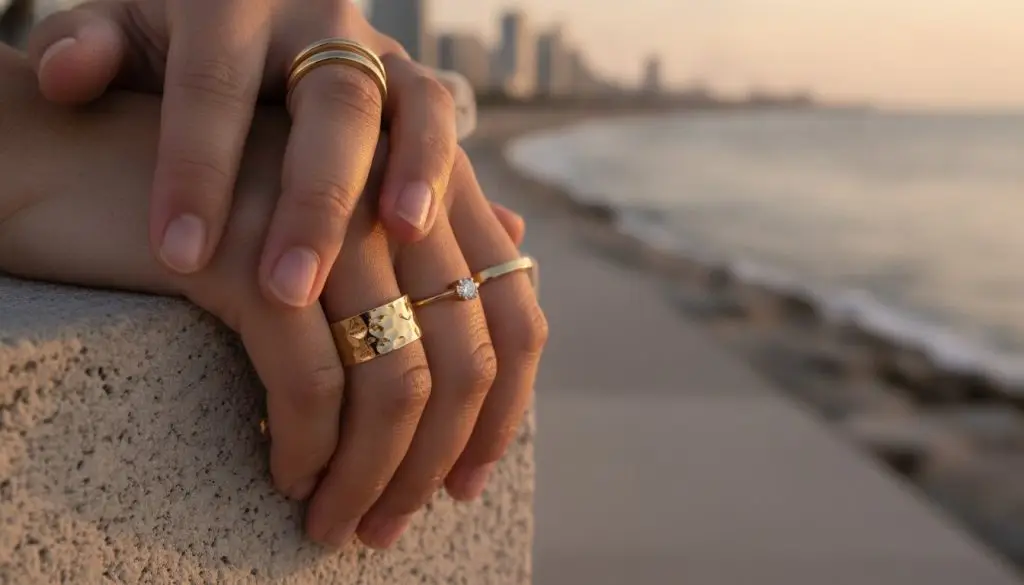
Minimalist Gold Rings: A Guide to Curating Your Timeless 18K Collection
-
Posted by
Your jewelry shouldn’t have an expiration date. Too many of us have felt the frustration of a cherished piece tarnishing or causing skin irritation…

18k Gold Earrings for New Piercings: Safe Styling Guide
-
Posted by
What if the most rewarding part of your piercing journey wasn’t the initial appointment, but the moment you finally swap those generic studs for…

18k Gold Minimalist Bracelets: The Ultimate Guide to Timeless Everyday Luxury
-
Posted by
True minimalism isn’t about having less; it’s about requiring more from the few pieces you choose to wear every day. If you’ve ever felt the…

18k Gold Stud Earrings: The Ultimate Guide to Everyday Luxury
-
Posted by
Why should the jewelry you wear every single day be the piece that irritates your skin or loses its radiance before the season even turns? It’s a…

18k Gold Jewelry Care: Preserving Modern Heirlooms
-
Posted by
Is your most cherished jewelry tucked away in a dark velvet box, waiting for a “special enough” occasion that never quite arrives? Many women…

Shipping Fine Jewelry from Israel to the US: The Complete 2026 Guide
-
Posted by
You’ve finally found it: an 18k gold necklace from a Tel Aviv studio that perfectly captures a chapter of your own story. The design is breathtaking,…
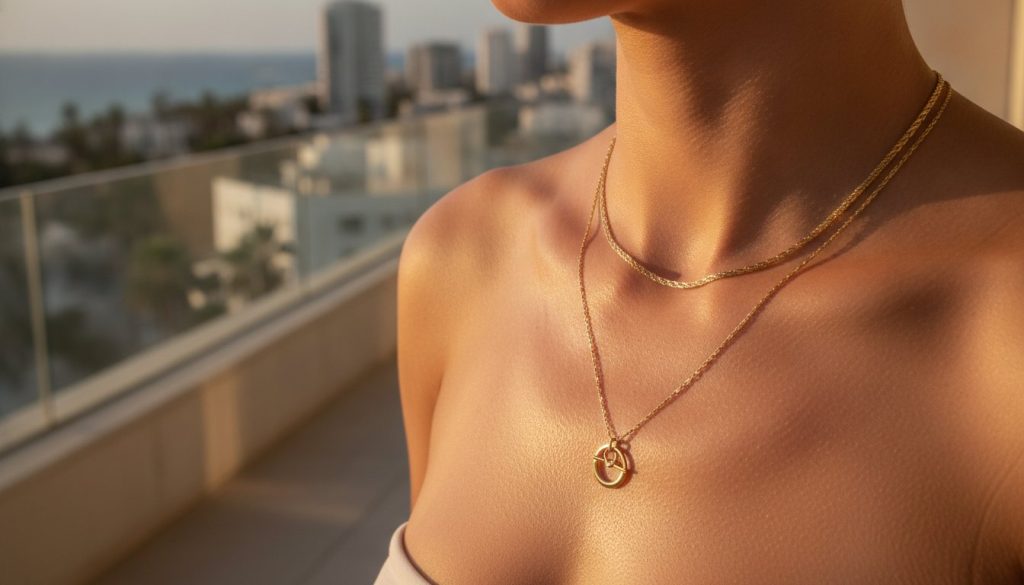
The Ultimate Guide to Choosing a Minimalist 18k Gold Necklace in 2026
-
Posted by
Is your jewelry box a collection of “for now” pieces or a reflection of your forever story? Many women find themselves caught in a cycle of buying…
How to Care for 18K Gold Jewelry: A Complete Guide
-
Posted by
What if your most precious 18k gold ring wasn’t meant for the safety of a velvet box, but for the messy, beautiful reality of your daily life? It’s…