

Blog
How to Care for 18K Gold Jewelry: A Complete Guide
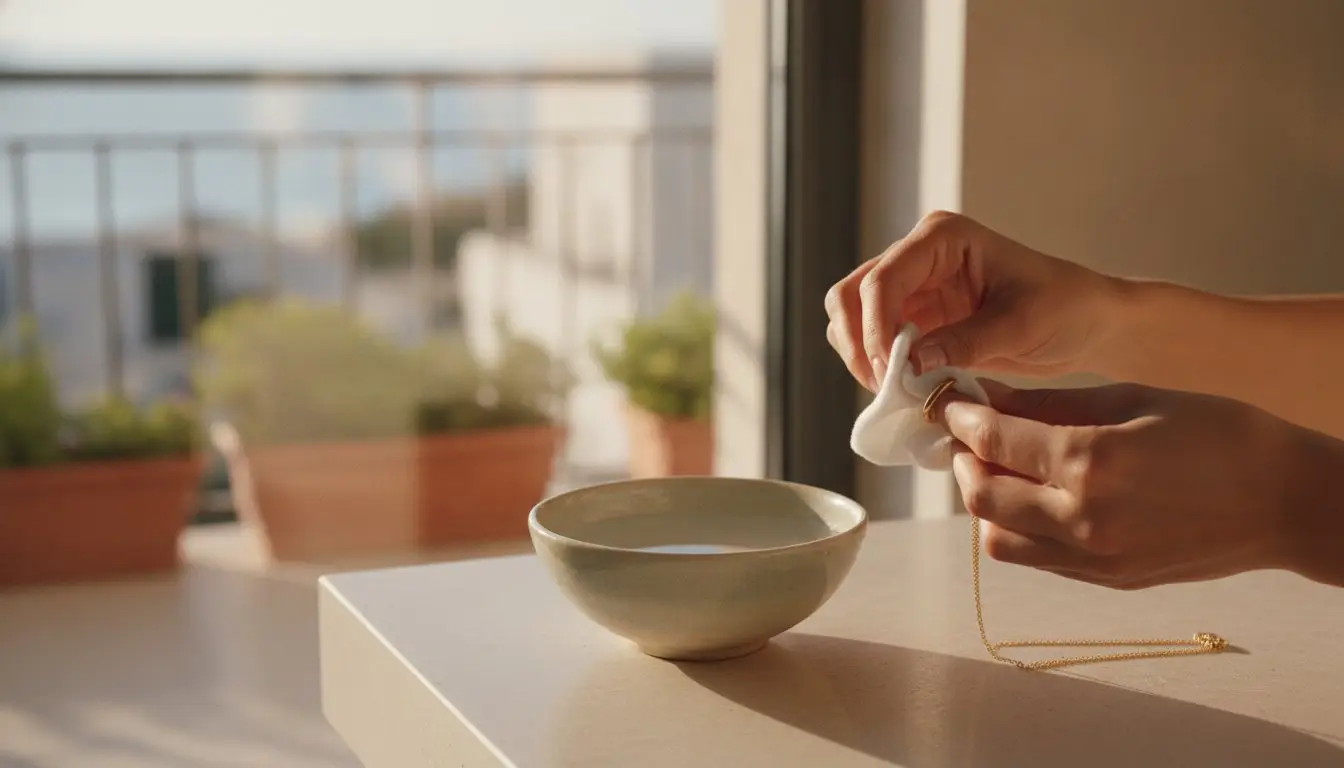
What if your most precious 18k gold ring wasn’t meant for the safety of a velvet box, but for the messy, beautiful reality of your daily life? It’s common to feel a sense of hesitation when wearing high-karat pieces. You might worry that a splash of perfume or a stray household chemical will permanently dull that signature, sun-drenched glow. Learning how to care for 18k gold jewelry shouldn’t feel like a chore or a source of anxiety. Instead, it’s a mindful ritual that honors both the artistry of the piece and the personal story you’re writing while wearing it.
We understand the confusion that often comes with fine jewelry, from the subtle differences in 14k versus 18k maintenance to the sudden appearance of tarnish on a beloved alloy. This guide replaces that uncertainty with quiet confidence. You’ll discover professional rituals and simple home techniques to preserve the glow and structural integrity of your handcrafted pieces for generations. We’ll provide a clear, safe cleaning routine, explain the “last on, first off” rule for cosmetics, and help you identify the exact moments when your jewelry needs the expert touch of a professional artisan.
Key Takeaways
- Understand why 18k gold offers the perfect balance of prestige and durability, making it the ideal choice for pieces meant to be worn every day.
- Master the “Last On, First Off” rule to protect your pieces from perfumes and learn how to care for 18k gold jewelry by avoiding harsh chemicals like chlorine.
- Discover the “KaMila Method,” a gentle 15-minute home cleaning ritual that safely restores the signature glow of your handcrafted gold.
- Learn how individual storage and careful handling preserve the structural integrity and minimalist form of delicate bands and necklaces.
- Identify when to seek a professional annual inspection to ensure stone security and maintain the long-term brilliance of your modern heirlooms.
Understanding 18K Gold: Purity, Durability, and the Need for Care
Choosing 18k gold is an act of selecting the “sweet spot” of fine jewelry. It represents a precise harmony: 75% pure gold and 25% strengthening alloys. This specific ratio, often hallmarked as “750,” ensures the piece retains the rich, buttery yellow glow that pure gold is famous for, while the added metals provide the structural integrity needed for daily life. While 14k gold is often praised for its hardness, 18k gold is significantly more prestigious and vibrant. It feels heavier on the skin and carries a warmth that lower-karat options simply can’t replicate. Understanding this composition is the first step in learning how to care for 18k gold jewelry, as it’s the 25% alloy portion that interacts most with the world around you.
A common misconception is that 18k gold is too soft for regular wear. In reality, it’s remarkably durable. While it may develop a unique patina of fine surface scratches over years of love, these marks are part of the piece’s history. Thoughtful handling doesn’t mean hiding your jewelry away; it means wearing it with an awareness of its artisanal nature. These aren’t just accessories. They’re modern heirlooms that thrive when integrated into your daily rituals.
The Chemistry of Glow: Why Gold Alloys Tarnish
Pure gold is chemically inert and doesn’t tarnish. However, the gold alloys blended into your jewelry, such as copper, silver, or zinc, can react with oxygen and moisture. This process, known as oxidation, is what causes a slight darkening or dullness over time. Environmental triggers like high humidity, salt air, and urban pollution can accelerate this effect. Rose gold, which contains a higher copper content, and white gold, which is often plated with rhodium, require specific attention to maintain their distinct hues against these environmental factors.
18K Gold vs. 14K Gold: A Care Comparison
Because 18k gold contains a higher percentage of pure gold, it’s actually more resistant to chemical tarnish than 14k gold. There are fewer base metal molecules available to react with the air. The trade-off is a slightly higher sensitivity to surface scratches compared to the more diluted 14k alloy. When deciding on the right material for a lifetime piece, many find that the superior luster of 18k gold outweighs the need for occasional polishing. For a deeper look at choosing the right metal for your story, our Engagement Rings Guide offers further insight into these material nuances. Learning how to care for 18k gold jewelry ensures that this prestigious material remains as radiant as the day you first wore it.
The Daily Ritual: Protective Habits for Your Fine Jewelry
Fine jewelry isn’t meant to be hidden away, but it does thrive when treated with intention. Adopting a few simple habits can make the difference between a piece that dulls in months and one that shines for decades. The most foundational ritual is the “Last On, First Off” rule. This means your jewelry should be the final touch you add after your perfume has dried and your hairspray has settled. By following these professional jewelry care tips, you prevent the chemical buildup that can slowly compromise the metal’s surface. When you return home, your jewelry should be the first thing you remove, signaling a transition into your private space.
Chlorine is perhaps the most silent threat to 18k gold. It can cause a process called “stress corrosion,” which makes the metal brittle and prone to snapping over time. Always remove your rings and necklaces before entering a pool or hot tub. Similarly, physical activities like gardening or weightlifting pose a risk to the structural integrity of your pieces. Even though 18k gold is resilient, the pressure from a barbell or the grit of soil can distort thin, minimalist bands or scratch the polished surface. Understanding these environmental factors is a key part of learning how to care for 18k gold jewelry.
Sleeping in your jewelry is another habit to reconsider. Beyond the potential for discomfort, the constant friction against sheets can thin out delicate chains or snag prongs on fabric. Taking a moment to place your pieces in a dedicated tray each night is a small act of preservation that protects the form of your modern heirlooms.
Skincare and Beauty: The Chemical Enemies
Daily lotions, hairsprays, and even luxury serums create a persistent film that masks the natural luster of gold. Modern “brightening” serums or abrasive exfoliants are particularly harsh, as they may contain chemicals that react with the alloyed metals in your 18k pieces. A biofilm is a persistent layer of accumulated oils, skin cells, and cosmetic residues that clings to the crevices of your jewelry and masks its brilliance. Understanding the impact of these daily products is essential when learning how to care for 18k gold jewelry properly.
Maintaining the Fire of Lab-Grown Diamonds
Lab-grown diamonds are chemically identical to mined ones, which means they share a specific property: they’re “lipophilic,” or naturally attracted to oils. They act like magnets for fingerprints and lotion. To maintain their fire, give your stones a quick wipe with a lint-free cloth at the end of each day. This simple step prevents oils from hardening on the surface and obscuring the light. For those who want to understand the science behind these stones, our Lab Diamonds Guide offers a deep dive into maintaining their signature brilliance.
Integrating these habits ensures your jewelry remains a bright reflection of your identity. If you’re looking to add a new piece to your daily ritual, explore our collection of handcrafted gold rings designed for the modern woman.
The Gentle Cleanse: How to Clean 18K Gold at Home Safely
Restoring the sun-drenched radiance of your favorite pieces doesn’t require complex machinery or harsh chemicals. In fact, the most effective way to maintain that glow is through a simple, 15-minute ritual we call the KaMila Method. This process is designed to be as gentle as the handcrafted pieces themselves, ensuring that the structural integrity of minimalist designs remains untouched. When considering GIA’s guide to cleaning jewelry, you’ll find that professional consensus favors mild, non-abrasive solutions over aggressive commercial cleaners. Learning how to care for 18k gold jewelry at home allows you to reconnect with your pieces, turning a maintenance task into a moment of appreciation for your personal history.
Step-by-Step Home Cleaning Guide
A successful cleanse requires patience rather than pressure. Follow these steps to safely refresh your gold rings, earrings, and necklaces:
- Step 1: The Gentle Soak. Prepare a small bowl of lukewarm water mixed with a few drops of mild, phosphate-free dish soap. Submerge your jewelry for 15 to 30 minutes. This window allows the solution to penetrate and loosen the buildup of oils and lotions without stressing the metal.
- Step 2: Precision Brushing. Use a baby-soft toothbrush or a dedicated jewelry brush to gently sweep around settings and prongs. Focus on the underside of stones where debris often hides, but avoid using force that could displace delicate components.
- Step 3: The Safe Rinse. Always rinse your pieces in a separate bowl of clean, room-temperature water. Never rinse jewelry directly over an open sink drain; even the most careful hands can experience a slip.
- Step 4: Lint-Free Drying. Blot the jewelry dry with a soft, lint-free cloth. Avoid paper towels, as their fibers can be surprisingly abrasive to the polished surface of 18k gold.
What to Avoid: Common Home Cleaning Myths
While the internet is full of “quick fixes,” many can cause permanent damage to your fine jewelry. Toothpaste and baking soda, for example, are highly abrasive. They can create microscopic scratches that dull the surface of 18k gold over time. You should also avoid commercial “dip” cleaners that contain ammonia or bleach, as these can weaken the gold alloys and damage the integrity of the metal. While ultrasonic cleaners are popular, they can be risky for minimalist settings at home, as the vibrations may loosen stones or thin prongs. If your piece features specific gemstones, avoid steam cleaning, as sudden temperature changes can cause internal fractures or thermal shock. Mastering these boundaries is the most important part of knowing how to care for 18k gold jewelry safely.

Storage and Preservation: Protecting the Form of Minimalist Design
Your jewelry box is the sanctuary for your personal stories. While 18k gold is a resilient companion, its high gold content makes it susceptible to surface abrasions if it’s stored in a crowded or disorganized space. Individual storage is non-negotiable for preserving the mirror-like finish of your pieces. When different items rub against each other, the harder gemstones or even the sharp edges of other settings can leave microscopic marks on the softer 18k alloy. Learning how to care for 18k gold jewelry involves more than just cleaning; it’s about how you house your pieces when they aren’t resting against your skin.
Travel requires even more intentionality. When you’re on the move, Gold Necklaces are particularly prone to intricate knots that can strain the delicate links. Using a dedicated jewelry roll or even a simple straw to thread the chain through can prevent these tangles. By keeping the clasp closed and the chain taut, you protect the structural integrity of the piece and ensure it’s ready to wear the moment you arrive.
Optimal environmental conditions are equally important for long-term preservation. High humidity can interact with the 25% alloy content in 18k gold, potentially leading to faster oxidation. Direct sunlight can also be a silent enemy, as prolonged exposure can affect the temperature of the metal and the stability of certain gemstones. Aim for a cool, dry place that feels as intentional as the jewelry itself.
The Anatomy of a Perfect Jewelry Box
A well-designed jewelry box should feature soft, fabric-lined compartments that cradle each piece. Avoid hard plastic or wooden surfaces that can cause impact damage. For 18k gold, adding anti-tarnish strips or small silica gel packets to your storage area can help absorb excess moisture and pollutants from the air. Be mindful of how you display your items; while hanging Gold Bracelets on a stand might look beautiful, the constant gravitational pull on delicate links can lead to subtle stretching over time. Flat storage is always the safest choice for maintaining the original form of your bracelets.
Preventing Bends and Scratches in Minimalist Pieces
Minimalist design often features thin, elegant bands that require thoughtful handling. These pieces are strong enough for daily wear, but they can be susceptible to bending if they’re caught in a bag or crushed under heavier items. When you aren’t wearing your stacking rings, store them in a way that avoids metal-on-metal friction. If you’re looking for inspiration on how to combine these delicate pieces safely, our guide on Styling Fine Jewelry offers advice on curating a look that balances aesthetic appeal with the physical safety of your collection. Mastering how to care for 18k gold jewelry means treating your minimalist pieces with the same grace they bring to your style.
If you’re ready to find a new piece to treasure, explore our collection of handcrafted gold rings and start building your modern heirloom collection today.
Professional Maintenance: Ensuring a Lifetime of Brilliance
While daily rituals and home cleaning form the heart of your jewelry’s life, an annual professional check-up is the foundation of its longevity. A jeweler sees what the naked eye often misses. They use specialized magnification to inspect the structural integrity of your pieces, ensuring that every minimalist curve and delicate setting remains as secure as the day it was crafted. This yearly visit is a vital part of learning how to care for 18k gold jewelry, as it prevents minor wear from becoming a major loss. For engagement rings or pieces worn every day, this inspection focuses heavily on stone security and prong health.
There is a significant difference between the gentle home cleanse and a professional polish. While your soap-and-water routine removes surface oils, a professional polish carefully removes a microscopic layer of metal to erase deeper scratches that have accumulated over time. This process restores the mirror-like finish that defines high-quality 18k gold. If you wear 18k white gold, a professional can also provide rhodium replating. Since white gold is an alloy that is naturally warm-toned, this liquid metal coating is what gives it that crisp, silver-white brilliance. Over time, this plating wears away, and only a professional artisan can restore its signature look.
Warning Signs Your Jewelry Needs Professional Attention
You don’t always have to wait for your annual appointment if you notice certain changes in your pieces. You can perform a simple “tap test” at home by holding your ring close to your ear and gently tapping the band with your fingernail. If you hear a faint clicking sound, it’s a sign that a stone may be loose in its setting. Other warning signs include:
- Prongs that look flat, snag on your clothing, or appear uneven.
- Thin spots at the base of a ring band that feel sharp or look significantly narrower than the rest of the piece.
- Visible deep scratches or dents that a lint-free cloth cannot buff away.
- A change in the shape of a minimalist band, suggesting it has been crushed or bent.
KaMila’s Artisanal Support
Our relationship with your jewelry doesn’t end at the moment of purchase. We are deeply committed to the longevity of every handcrafted piece we create. Because we specialize in 18k gold and lab-grown diamonds, we understand the specific nuances required to maintain their beauty for generations. If you have an older heirloom that feels worn or no longer matches your style, our custom design services can breathe new life into your gold. We can reimagine your materials into a modern, minimalist silhouette that celebrates your current story while honoring its past. Truly understanding how to care for 18k gold jewelry means knowing when to let an artisan’s hands take over. Explore our handcrafted 18k gold collections to find a piece built for a lifetime of brilliance.
Preserving Your Story for Generations
Your jewelry is more than a material possession; it’s a living reflection of your identity and the milestones you’ve celebrated. By mastering how to care for 18k gold jewelry, you ensure that these symbols of joy and grace remain as radiant as the moments they represent. The secret to longevity lies in simple, intentional habits: the “Last On, First Off” rule for beauty products, the gentle 15-minute home cleanse, and the mindful storage of your minimalist pieces.
These small rituals transform maintenance into a celebration of artistry. At KaMila Fine Jewellery, we believe that high-end craftsmanship should be part of your daily narrative. Every piece we create is handcrafted in Israel with a modern minimalist aesthetic, featuring sustainable lab-grown diamonds designed to stand the test of time. Whether you’re wearing a delicate band or a bold statement necklace, your care ensures its brilliance continues for generations.
Discover Modern Heirlooms in 18K Gold and find a piece that resonates with your unique journey. Wear your gold with confidence, knowing it’s built to shine through every chapter of your life.
Frequently Asked Questions
Can I wear my 18k gold jewelry in the shower?
You can wear your 18k gold jewelry in the shower, but it isn’t ideal for maintaining its long-term glow. While water itself won’t harm the metal, the buildup of soap scum, body washes, and hard water minerals creates a persistent film that dulls the surface over time. To keep your pieces looking their best, it’s better to remove them before bathing. This simple habit prevents the need for more frequent deep cleanings.
How often should I clean my 18k gold rings?
For rings worn daily, a gentle home cleaning every two to four weeks is usually sufficient to maintain their brilliance. Because rings are exposed to hand lotions, oils, and daily debris, they tend to lose their luster faster than other pieces. Learning how to care for 18k gold jewelry includes establishing this consistent routine. Additionally, schedule a professional inspection once a year to ensure all settings remain secure and the metal is healthy.
Does 18k gold tarnish over time?
While pure gold is immune to tarnish, 18k gold contains 25% alloy metals like copper or silver that can react with oxygen and moisture. This oxidation may cause a slight darkening or a warm patina over time. High humidity and exposure to sulfur-containing products can accelerate this process. Fortunately, this tarnish is only on the surface and can be easily removed with a gentle soap solution or a professional polishing service.
Is it safe to use an ultrasonic cleaner for my 18k gold jewelry?
Ultrasonic cleaners are generally safe for plain 18k gold bands, but they carry risks for minimalist designs with delicate stone settings. The high-frequency vibrations can occasionally loosen small diamonds or stones in pavé settings. If your jewelry features fragile gemstones or intricate, thin prongs, it’s safer to stick with the manual soaking method. If you’re unsure, consult a professional jeweler to avoid accidental damage to your most precious handcrafted pieces.
How do I prevent my 18k gold necklaces from tangling during storage?
To prevent delicate gold necklaces from tangling, always close the clasp before storing them. A useful home tip is to thread the chain through a clean drinking straw and then fasten the clasp; this keeps the links taut and prevents knots. Alternatively, use a dedicated jewelry roll with individual snaps for each piece. Proper storage is a vital part of how to care for 18k gold jewelry and preserves the structural integrity of thin chains.
Can I use vinegar or lemon juice to clean 18k gold?
You should avoid using acidic substances like vinegar or lemon juice on your fine jewelry. While these are popular “natural” cleaners, their high acidity can react poorly with the alloyed metals in 18k gold, potentially leading to discoloration or damage over time. Stick to a solution of mild, phosphate-free dish soap and lukewarm water. This gentle method effectively removes oils and dirt without risking the chemical integrity of your handcrafted gold pieces.
What should I do if my 18k gold jewelry gets scratched?
If your jewelry develops light surface scratches, you can often buff them out with a specialized jewelry polishing cloth. 18k gold is a relatively soft metal, so it naturally develops a patina of use over time. For deeper scratches or a complete restoration of the mirror-like finish, seek a professional polishing service. A jeweler can safely refinish the surface to restore its original brilliance while ensuring the piece’s structural form remains intact.
Is 18k gold too soft for an engagement ring worn every day?
18k gold is actually the ideal choice for an engagement ring meant for daily wear. It offers a perfect balance between the rich beauty of high gold content and the durability provided by its 25% strengthening alloys. While it’s slightly softer than 14k gold, it’s more than strong enough to hold diamonds securely for a lifetime. With thoughtful handling and regular maintenance, 18k gold remains a resilient and prestigious metal for your modern heirlooms.
Related Posts
Jewelry Design in Haifa: What to Expect in 2026
-
Posted by
מילה קלר
If you’re searching “jewelry design consultation in Haifa what to expect,” you may be wondering what to bring, which decisions you’ll need to make,…
From Sketch to Sparkle: Ensuring the Final Piece Matches Your Jewelry Design
-
Posted by
You’ve spent weeks dreaming of a ring that captures your story, but as you look at the artist’s rendering, a small doubt creeps in. Will that…
Repurposing Heirloom Stones into Modern Custom Jewelry: The Complete 2026 Guide
-
Posted by
What if keeping an inherited ring tucked away in a dark jewelry box isn’t protecting your family history, but silencing it? It’s completely natural…
Designing a Custom 18k Gold Ring: 2026 Bespoke Guide
-
Posted by
What if the most exquisite jewelry you ever own isn’t reserved for formal galas, but crafted to enrich your daily life? When you start exploring…
Red Flags When Choosing a Custom Jewelry Designer: A 2026 Guide to Protecting Your Vision
-
Posted by
Imagine spending months dreaming of a bespoke 18k gold ring, only to open the velvet box and find a piece that feels like a generic retail cast…

Jewelry That Makes Me Feel Protected and Strong: A Guide to Modern Talismans
-
Posted by
Most people view a necklace or a ring as a simple finishing touch, but for the modern woman, it’s often the first layer of emotional armor she puts…
How to Stack Rings: The Art of Curating Your Personal Story in 18K Gold
-
Posted by
What if your jewellery box wasn’t just a collection of objects, but a living timeline of your most cherished milestones? You’ve likely looked at a…
Minimalist Gold Rings: A Guide to Curating Your Timeless 18K Collection
-
Posted by
Your jewelry shouldn’t have an expiration date. Too many of us have felt the frustration of a cherished piece tarnishing or causing skin irritation…
Getting a Better Price Than Big Brand Jewelers in Israel: The Insider’s Guide 2026
-
Posted by
That iconic logo on a shopping bag in a Tel Aviv mall might feel like a mark of quality, but it’s often the most expensive way to buy a memory. When…

18k Gold Earrings for New Piercings: Safe Styling Guide
-
Posted by
What if the most rewarding part of your piercing journey wasn’t the initial appointment, but the moment you finally swap those generic studs for…

18k Gold Minimalist Bracelets: The Ultimate Guide to Timeless Everyday Luxury
-
Posted by
True minimalism isn’t about having less; it’s about requiring more from the few pieces you choose to wear every day. If you’ve ever felt the…

18k Gold Stud Earrings: The Ultimate Guide to Everyday Luxury
-
Posted by
Why should the jewelry you wear every single day be the piece that irritates your skin or loses its radiance before the season even turns? It’s a…