
Blog
Is My Diamond Too Big for My Hand? A Personal Style Guide
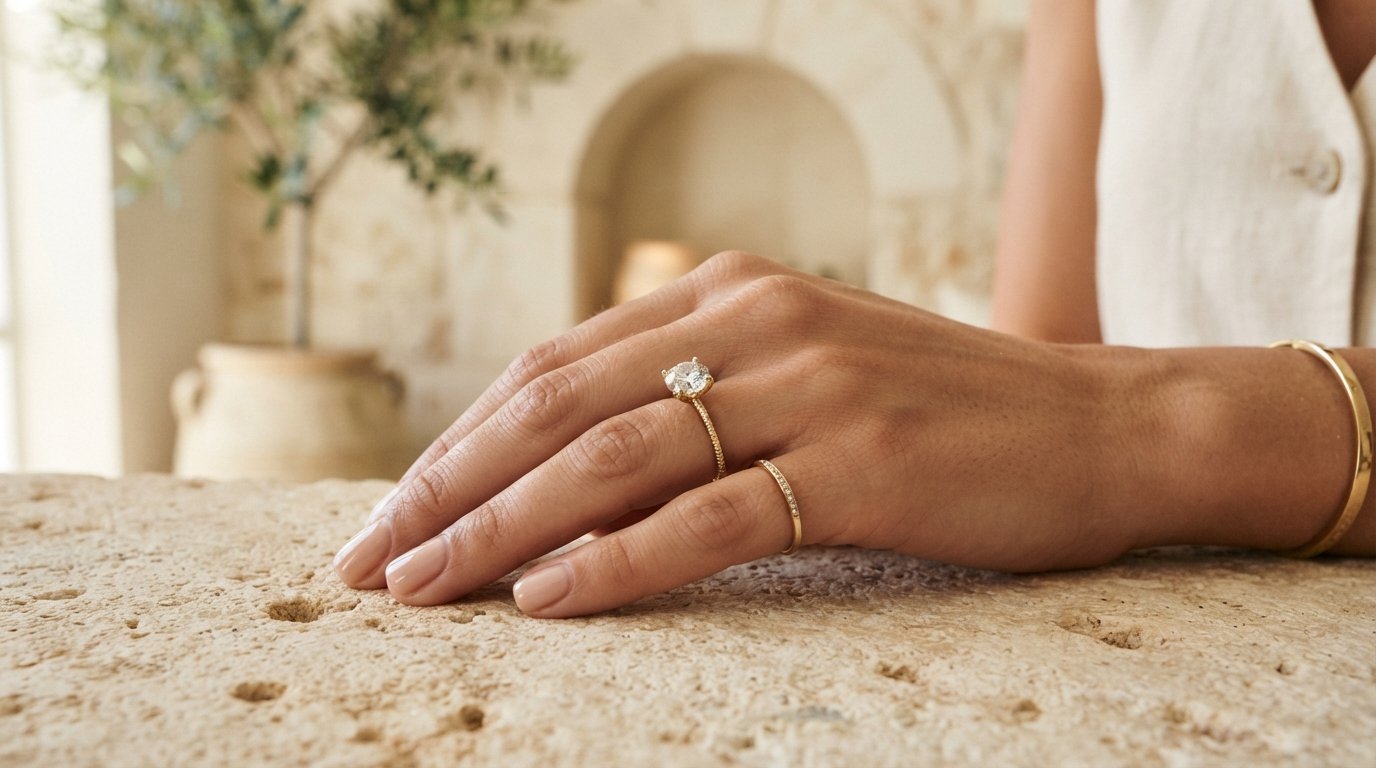
A diamond can look dramatic in a product photo and feel perfectly at home on your hand; a smaller stone can still make a striking statement. If you’ve been searching “is my diamond too big for my hand style guide,” carat weight alone won’t answer the question. The stone’s visible dimensions, shape, setting, and your personal style all affect how the ring looks and feels.
It’s understandable to wonder whether a larger stone might overwhelm your hand or whether a product photo reflects what you’ll see in person. To judge a ring fairly, look at it from more than one angle and consider comfort as well as visual impact. A ring that looks appealing in a still image may feel different when you move your hand or wear it alongside other jewelry.
This guide offers a practical way to compare a diamond’s presence and decide what feels right to you. You’ll look at how hand proportions, diamond shapes, and settings affect appearance, then use a simple try-on process to assess comfort and everyday wear. The goal is a ring that feels expressive and comfortable, whether you prefer a subtle design or a more noticeable one.
Key Takeaways
- Look beyond carat weight. Consider the diamond’s visible outline, your hand, and the full setting together.
- Compare shapes and settings on your own hand to find the level of visual presence you enjoy.
- Use the is my diamond too big for my hand style guide framework to assess appearance, comfort, and everyday wear before deciding.
- When comparing photos, use similar lighting, angles, and viewing distance so you can judge proportions more fairly.
- Choose a ring that feels comfortable and meaningful to you. An understated design and a bold statement can both be right.
Is My Diamond Too Big for My Hand? Start With Personal Proportion
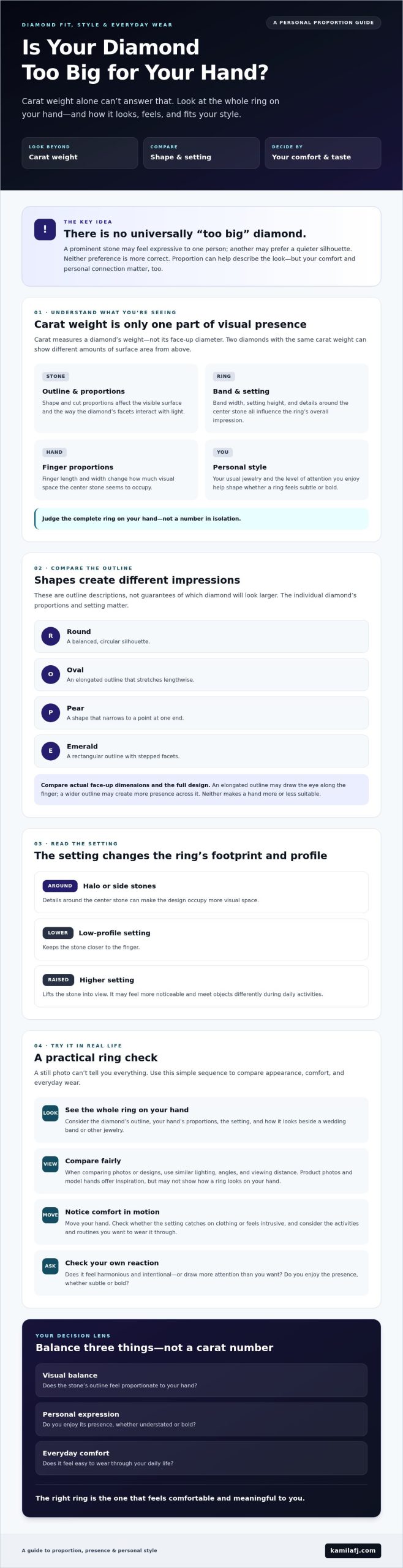
A striking diamond can feel beautiful and still leave you wondering whether it suits your hand. Carat weight can’t answer that by itself. The stone’s outline, how it sits in its setting, your hand’s proportions, and the jewelry you usually wear all shape its visual presence. Start by looking at the complete ring on your hand, not by judging a number in isolation.
No carat size is automatically too large for a particular hand. The right choice depends on the balance you enjoy and how you expect to wear the ring. A prominent diamond may feel expressive and natural to one person, while another may prefer a quieter silhouette. Neither preference is more correct.
Why carat weight does not tell the whole visual story
Carat measures a diamond’s weight, not its face-up diameter. Two diamonds with the same carat weight can show different amounts of surface area from above because their shapes and cut proportions differ. A diamond’s cut influences how its facets interact with light and how its proportions appear; see how a diamond’s cut affects its size.
Shape also affects the outline you see. An elongated diamond may extend farther along the finger, while another shape may put more of its visible area across the finger. The setting changes the overall impression too. Band width, setting height, and details around the center stone can make the diamond seem more or less prominent. Compare actual designs rather than relying on carat weight or a single product image.
What “too big” means in real life
Separate visual balance from personal taste. Does the ring look harmonious with your hand? Does it feel like an intentional statement, or does it draw more attention than you want? It might simply feel unlike your usual style. Those reactions are useful, not superficial. A ring is part of how you express yourself.
Then consider comfort and daily wear. Notice whether the setting catches on clothing or feels intrusive as you move your hand. Think about the activities and routines you want to wear it through. A design can look beautiful in a still photo and feel quite different in motion.
- Visual balance: Does the stone’s outline feel proportionate to your hand?
- Personal expression: Do you enjoy its presence, whether subtle or bold?
- Everyday comfort: Does the ring feel easy to wear in your daily life?
Use your answers to guide the choice. Proportion helps you describe the look, but comfort and personal connection are what make a ring feel right.
What Makes a Diamond Look Larger or Smaller on Your Hand?
A diamond’s visual presence comes from more than the stone itself. Perceived size is shaped by your hand’s proportions, the diamond’s outline, the band’s width, the setting’s height, and details around the center stone. Consider these elements together to understand why the same ring can feel balanced on one hand and more prominent on another.
How hand and finger proportions change the impression
Finger length and width affect how much visual space a center stone seems to occupy. An elongated outline may draw the eye along the finger, while a wider outline may create more presence across it. Neither effect makes a hand more or less suitable for a particular diamond. It changes the composition, not whether you can wear the style.
Model photos can offer inspiration, but they can’t show exactly how a ring will look on your hand. When possible, compare designs on your own finger using similar angles and lighting. The Knot’s ring guide for your hand shape offers another perspective on proportion. Notice how the ring looks beside a wedding band or other jewelry, too. Neighboring pieces can make the overall look feel more layered or more open.
How diamond shape and setting affect presence
Shapes create different outlines, but they don’t guarantee a particular size effect. A round diamond has a balanced, circular silhouette. An oval stretches lengthwise, a pear narrows to a point at one end, and an emerald shape has a rectangular outline with stepped facets. The apparent spread depends on the individual diamond’s proportions and setting. Compare the actual face-up dimensions and design rather than assuming one shape will always look larger.
Settings affect the ring’s footprint and profile. A halo or side stones add detail around the center and can make the design occupy more visual space. A low-profile setting keeps the stone closer to the finger, while a raised setting lifts it into view. A raised design may feel more noticeable and meet objects differently during daily activities. Consider how its height works with your routines, not just how it looks from above.
- Band width: A wider band can make the center feel more integrated into the ring; a narrower band may draw more attention to it.
- Surrounding details: Halos and side stones extend the design beyond the center diamond.
- Viewing angle: Check the ring from above and from the side to see its outline and profile.
For a more personal balance, consider how the diamond’s outline and setting might work in custom 18-karat gold ring design. The most useful comparison is one you can picture on your own hand, in the settings and moments that make up everyday life.
Diamond Shape or Setting: Which Look Best Matches Your Style?
Shape and setting are design choices, not rules for what will suit a particular hand. You might prefer a single, clearly defined stone, or a ring with more detail and presence. Use the comparison below to identify what draws your eye, then compare actual face-up views on your hand. Shape names alone can’t tell you exactly how a ring will look.
| Shape or setting | Visual character | Questions to consider |
|---|---|---|
| Round | Familiar, balanced outline with a centered look. | Do you like a classic, symmetrical shape, or would you prefer a more directional outline? |
| Oval or pear | Elongated forms that draw the eye along the finger; a pear also has a distinct point. | Does the lengthened outline feel harmonious on your hand from above? |
| Emerald | Rectangular outline and a more defined, geometric appearance. | Do you prefer clean lines and a composed look over a rounded silhouette? |
| Solitaire, halo, or side stones | A solitaire focuses attention on one center stone; a halo or side stones add surrounding detail and visual coverage. | Would you rather keep the design focused, or enjoy extra sparkle and a broader overall footprint? |
Choose a diamond shape for the look you want
A round shape can feel timeless and evenly balanced, but it isn’t universally the best choice. Oval and pear shapes create a longer visual line, though the effect depends on the individual stone and your hand. Emerald shapes offer a different look through their rectangular outline. Compare the face-up view and the stone’s proportions instead of choosing by shape name or carat number alone.
Choose a setting and band for visual balance
A slim band creates contrast with the center stone and can make it the clear focal point. A wider band adds visual weight around the finger, giving the center a more grounded frame. A halo or side stones bring detail beyond the center and can make the ring feel more elaborate or occupy more space. These choices can shift the impression from understated to prominent without making either look more tasteful.
Setting height changes the ring’s profile as well as its appearance from above. A lower setting sits closer to the finger, while a raised one makes the center more elevated and noticeable. Consider how that profile may interact with your daily routines and whether it works beside a wedding band. If possible, try the combination together. The rings might feel cohesive, or compete for attention.
A useful is my diamond too big for my hand style guide starts with your preferences. Do you want the center to stand alone, blend into a wider design, or share attention with surrounding stones? Choose the outline and details that feel like your style, then assess the complete ring on your hand.
How to Decide if a Diamond Feels Right: A Practical Try-On Guide
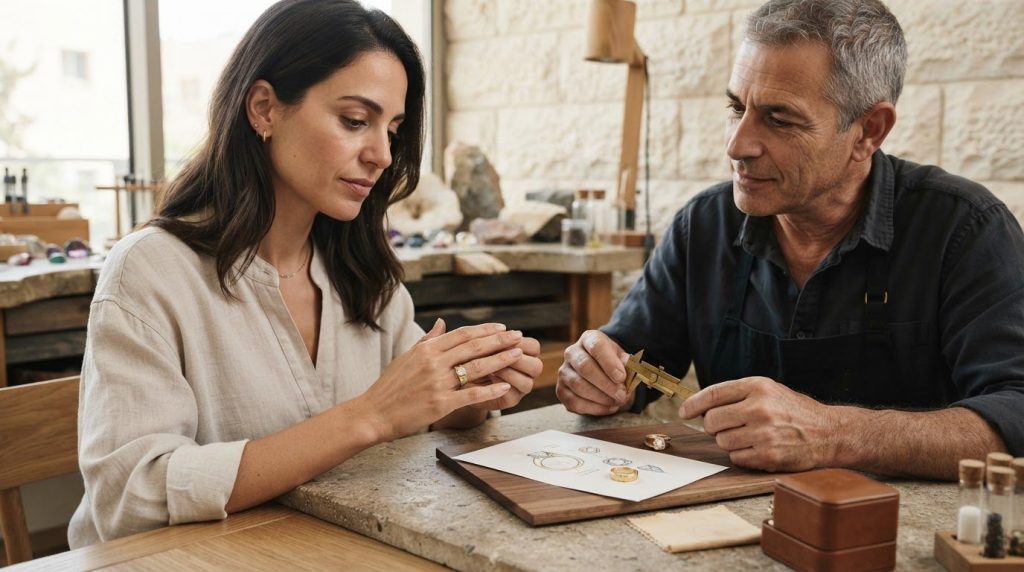
A ring can look different on your hand than it does in a product photo. Use this process to compare visual presence with comfort, and give yourself time to notice which design feels natural rather than simply impressive.
- Name the look you want. Decide whether you’re drawn to a subtle, balanced ring or one with a more prominent presence. Think about the jewelry you reach for most often and whether you want this ring to blend in or stand apart.
- Compare designs consistently. If possible, try different shapes and settings on your own hand. Ask a jeweler whether representative samples or visualizations are available, and confirm what they can provide. Compare from the same viewing distance and angle so differences in shape and proportions are easier to judge.
- Take your own photos. Photograph each design on the same hand in similar, even lighting. Include a view from above and a side view to see the outline and setting height. A paper or screen outline can help you imagine scale, but treat it as a rough aid, not a substitute for trying on jewelry.
- Test the setting against your routine. Notice whether the ring catches on clothing or feels awkward with gloves, at work, or during activities you do regularly. Consider whether you prefer a lower or more raised setting, and whether its profile suits your day-to-day habits.
- Check your lasting preference. Imagine wearing the ring on an ordinary day, not only for a celebration. If you ask someone you trust for an opinion, use their perspective as a sounding board, not a replacement for your own.
These steps give the question “is my diamond too big for my hand style guide” a practical answer: compare designs consistently, then pay attention to how they feel in real life. If a ring looks striking in a photo but feels distracting or inconvenient on your hand, that’s useful information. If it feels expressive and comfortable, its presence may be exactly right for you.
For more context as you weigh the details, read Engagement Rings: The Complete Guide to Finding a Ring That Tells Your Story. If you’re ready to bring your preferences together in a personal design, explore custom jewelry design.
Choose a Diamond Ring That Feels Like You
The right ring brings together proportion, personal style, and comfort in a way you’ll enjoy wearing. A smaller-looking design can feel quietly expressive; a more prominent one can feel entirely natural. Neither is the better choice by default. Use this checklist to bring your preferences into focus:
- Visual proportion: Does the stone feel balanced with your hand, or do you want it to stand out more?
- Shape: Does the outline appeal to you when you see it on your own hand?
- Setting: Do you prefer a simple focal point or details around the center stone?
- Comfort: Does the ring feel suitable for your everyday routines?
- Personal style: Can you imagine wearing it often and feeling like yourself?
These questions offer a practical way to resolve “is my diamond too big for my hand style guide.” There is no universal measurement that defines the right size. The answer is the design that feels harmonious to you, whether understated or eye-catching.
When a ready-to-wear ring may suit your preferences
If you’ve found a shape, setting, and overall scale that already feel right, browsing existing designs may be a natural next step. Check the specific ring’s confirmed materials and diamond details rather than assuming every design has the same specifications. KaMila Fine Jewellery offers handcrafted designs in 18-karat gold, including rings with lab-grown diamonds. For more background on lab-grown stones, see Lab Diamonds: The Complete Guide to Brilliance with a Conscience.
When custom design may help you find the balance
If you know the feeling you want but haven’t found a design that brings it together, custom jewelry design gives you a way to communicate your preferences. Describe the stone’s visual presence, the shape you’re drawn to, your preferred setting height, and how you picture the band beside other jewelry. These details can guide a design conversation. Confirm the specific stones, dimensions, and design details rather than assuming them.
Your ring can be a meaningful reflection of your story and everyday style. If you’d like to explore handcrafted designs or ask about custom jewelry, Explore KaMila Fine Jewellery at your own pace.
Choose the Ring That Feels Right on Your Hand
The answer to “is my diamond too big for my hand style guide” isn’t a carat rule. A diamond’s shape, setting, and proportions influence its presence, while your comfort and personal style determine whether the ring feels like yours. Compare designs on your own hand, consider how they fit into everyday life, and trust the look you’re happiest to wear.
A smaller-looking design can be just as expressive as a bold one. The right choice is the one that feels balanced to you and carries the meaning you want it to hold.
KaMila Fine Jewellery offers handcrafted fine jewelry in 18-karat gold, including rings with lab-grown diamonds, and custom jewelry design. If you’re ready to explore a design that reflects your preferences, explore handcrafted fine jewelry and custom design.
Your ring should feel like a natural part of your story. Choose with confidence, and let your own sense of style lead the way.
Frequently Asked Questions
Is my diamond too big for my hand?
A diamond isn’t too big for your hand based on carat weight alone. If you’re searching “is my diamond too big for my hand style guide,” compare its face-up outline, shape, and setting with your finger proportions. Try it on your own hand and notice how it feels as you move, not only in a still photo. Comfort and personal style matter more than a universal size rule.
Can small hands wear a large diamond?
Yes. Hand size doesn’t set a limit on the diamond you can wear. A prominent stone may feel balanced when its shape and setting suit your preferences, while someone else may prefer a more understated design. Compare the ring on your own hand and consider its setting height and how it might feel during daily activities. Your taste and comfort are more useful guides than a fixed hand-size chart.
How do I know what diamond size looks right on my hand?
Compare rings on your own hand instead of relying only on carat figures or model photos. Look at the stone’s outline alongside your finger proportions, band width, and setting. If you can, take photos from the same angle and in similar lighting to compare designs fairly. Ask yourself whether the ring feels visually balanced and comfortable to wear. There’s no objective ideal size; choose the one you enjoy wearing.
Does a diamond shape affect how large it looks?
Yes, shape can change the outline and visible coverage of a diamond from above. Two stones with the same carat weight may look different because their shapes and cut proportions differ, and the setting can also influence the overall impression. Compare actual face-up views and dimensions when they’re available. Don’t assume one shape will always look larger, since appearance depends on the individual stone and how it sits on your hand.
Can a setting make a diamond look bigger?
A setting can change the ring’s visual footprint, though it doesn’t change the diamond’s carat weight. A halo or side stones add detail around the center, while a solitaire keeps the focus on that stone. Band width and setting height also affect the ring’s overall presence. Consider the complete design on your hand, since the visual effect depends on the setting, center diamond, and your proportions.
Is a larger diamond less comfortable for everyday wear?
Not necessarily. Everyday comfort depends on the ring’s fit and design, including the setting height and how it interacts with your routines, not only the center stone’s size. A raised setting may feel different from a lower-profile design. If possible, try on a similar style and consider work, clothing, gloves, and regular activities. Ask a jeweler about the specific setting’s profile and practical features before deciding.
Should I choose a diamond based on my finger length or width?
Use finger proportions as one consideration, not a rule that dictates your choice. Length and width can affect how a ring’s outline and scale appear, but your preferred style and comfort matter too. Compare more than one shape or setting on your hand, and consider how each looks from different angles. Be cautious of charts that assign a single “ideal” diamond size to each hand type; personal preference can’t be reduced to a chart.
Related Posts
Unhappy With Your Final Custom Ring? Here’s What to Do Next
-
Posted by
מילה קלר
What if I’m unhappy with my final custom ring, even though I approved the design? A finished piece can feel different on your hand than it did in a…
How to Give Constructive Feedback on a Jewelry Design: A Client’s Guide
-
Posted by
What if telling your jeweler you dislike a detail isn’t an insult, but the exact spark they need to craft your dream heirloom? When you first open…
How to Convince Your Husband to Upgrade Your Wedding Ring
-
Posted by
What if your wedding ring wasn’t just a relic of who you were when you said “I do,” but a luminous reflection of the woman you’ve become today? Many…

Common Regrets After Buying an Engagement Ring: How to Choose a Forever Piece
-
Posted by
What if the most significant purchase of your life becomes a source of quiet hesitation every time you get ready in the morning? It’s a heavy…

15 Essential Questions to Ask a Jeweler Before They Start Designing Your Piece
-
Posted by
You’ve spent months dreaming of a piece that captures your unique story, but as the jeweler picks up their pencil, a flicker of anxiety often sets…
Hidden Halo Engagement Rings: A Guide to Subtle, Modern Brilliance (2026)
-
Posted by
What if the most captivating detail of your jewelry wasn’t meant for the rest of the world to see, but was a secret kept just for you? Many couples…
What if I Change My Mind During the Custom Jewelry Design Process?
-
Posted by
You have spent weeks dreaming of a sleek, minimalist gold band, but suddenly, a more ornate, symbolic setting is calling your name. It is a common…
Lab Grown Diamonds vs. Natural: A Modern Guide to Conscious Luxury (2026)
-
Posted by
What if the only difference between a billion-year-old miracle and a modern masterpiece was the address where it was born? When exploring the nuances…
Modern Engagement Ring Styles: A Guide to 2026 Trends and Timeless Design
-
Posted by
70% of millennials now prefer lab-grown diamonds, proving that the modern standard for brilliance is rooted in conscience. If you’re searching for…
Everyday Diamond Rings: A Guide to Modern, Wearable Luxury
-
Posted by
Your finest diamonds shouldn’t spend their lives hidden in a dark velvet box, waiting for a “special enough” occasion that rarely arrives. True…
Custom Diamond Rings in Israel: Crafting Your Modern Heirloom
-
Posted by
A diamond ring shouldn’t be a generic souvenir found in a crowded shop; it’s a silent witness to your personal history. You’ve likely felt the weight…

Lab Grown Diamonds vs Natural: Choosing Your Perfect Sparkle in 2026
-
Posted by
In 2026, over 45% of engagement rings now feature a lab-grown center stone, making the lab grown diamonds vs natural debate one of the most personal…