
Blog
Are Lab-Grown Diamonds Worthless? The Truth About Value in 2026

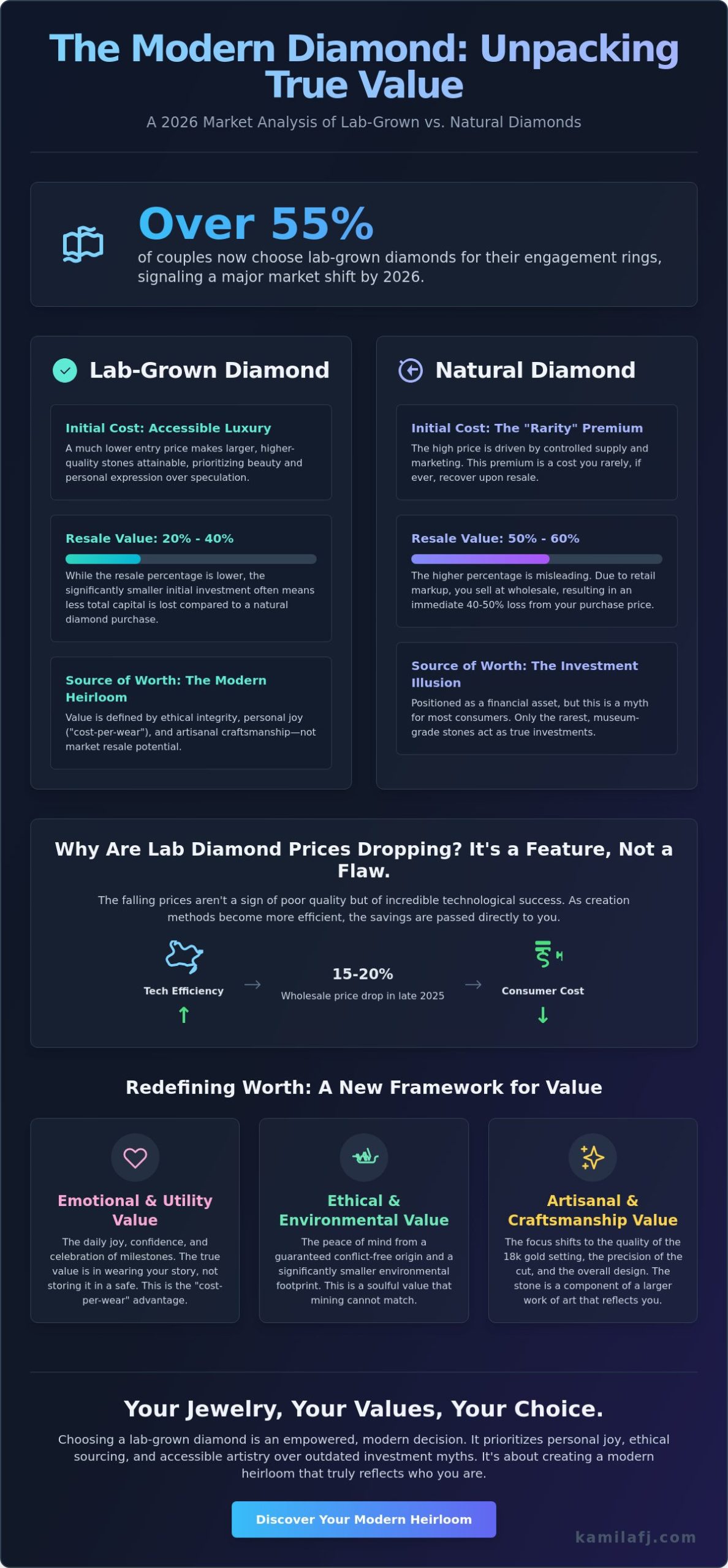
By the start of 2026, over 55% of couples chose lab-grown diamonds for their engagement rings, yet a quiet whisper still lingers in the minds of many: are lab diamonds worthless? It’s completely understandable if you feel a flicker of anxiety over falling wholesale prices or the pressure to view every beautiful object as a cold financial asset. You want your jewelry to be a celebratory expression of your story, not a source of worry about future resale percentages.
We promise to show you why the ‘worthless’ label is a myth that ignores the true heart of modern craftsmanship. You’ll discover how these stones offer a different, more conscious kind of value that prioritizes ethical integrity and personal joy over traditional market speculation. We are going to look at the real data behind the 2026 market shift and explain why choosing a lab-grown diamond is a sophisticated step toward a jewelry collection that truly reflects your own identity.
Key Takeaways
- Distinguish between market resale price and the emotional utility of jewelry that celebrates your personal milestones every day.
- Understand why asking are lab diamonds worthless is often based on the misconception that natural diamonds are guaranteed financial investments for individual buyers.
- Adopt the “cost-per-wear” metric to evaluate how choosing a larger, higher-quality stone for a lower price brings more grace and joy to your life.
- Learn how ethical integrity and environmental consciousness provide a soulful value that traditional mining simply cannot match.
- Discover how pairing lab-grown stones with artisanal 18k gold settings creates a modern heirloom that reflects your unique identity and values.
Understanding the ‘Worthless’ Myth: Price vs. Value
The conversation around modern jewelry often hits a stumbling block when people ask: are lab diamonds worthless? This question usually stems from a narrow definition of worth that focuses solely on the potential for resale. In the world of fine jewelry, worth is a multifaceted concept. It’s the intersection of what you pay, what the object represents, and the joy it brings to your daily life. While it’s true that a synthetic diamond may not hold the same resale percentage as a natural stone, the idea that they have zero value is a profound misunderstanding of the 2026 market.
By 2026, the diamond industry has split into two distinct paths. Natural diamonds are positioned as exclusive financial commodities, while lab-grown stones have become the premier choice for those who value aesthetics, ethics, and “wearable luxury.” Data from late 2025 shows that lab-grown diamonds typically resell for 20% to 40% of their original price. While this is lower than the 50% to 60% retention seen in natural diamonds, the much lower initial entry price means you’re often risking less total capital. Real value isn’t just about what a pawn shop might pay you in ten years; it’s about the beauty you get to wear every single day.
Why Are Lab Diamond Prices Dropping?
The consistent decline in prices isn’t a sign of poor quality. It’s a sign of incredible technological success. As Chemical Vapor Deposition (CVD) and High Pressure High Temperature (HPHT) methods become more efficient, the cost of creation falls. In late 2025, wholesale prices for these stones dropped by another 15% to 20%. This efficiency benefits you directly. It means that for the same budget that might have bought a modest natural stone years ago, you can now secure a breathtaking, high-clarity masterpiece. Competition among producers has turned a once-exclusive luxury into an accessible celebration of artistry.
The Difference Between Price, Cost, and Worth
Price is the number on the tag, but worth is the story you tell. Many buyers fall into the “liquidation trap,” believing that jewelry should be a liquid asset. The reality is that most jewelry, whether natural or lab-grown, loses significant value the moment it leaves the showroom. Unless you’re buying museum-grade investment stones, jewelry is a purchase of passion. We’re moving toward the era of the Modern Heirloom. This is a piece of jewelry valued for its craftsmanship and the milestones it commemorates. When a ring represents a promise or a personal triumph, its worth becomes immeasurable, regardless of fluctuating market charts.
- Utility Value: The daily joy and confidence found in wearing a stunning piece.
- Ethical Value: The peace of mind that comes from sustainable sourcing.
- Artisanal Value: The quality of the 18k gold setting and the precision of the cut.
Choosing a lab-grown diamond is a conscious decision to prioritize these values. It’s an empowering choice that celebrates your identity without the burden of outdated investment myths.
The Investment Illusion: Natural Diamonds vs. Lab-Grown Realities
For decades, the jewelry industry has nurtured a specific narrative: that a natural diamond is a “safe” financial asset. This idea suggests that your purchase is a store of value, much like gold or real estate. However, for the average consumer, this is largely a myth. Unless you are purchasing a rare, museum-grade stone such as a D-Flawless diamond over five carats, your jewelry is a personal luxury rather than a financial hedge. If you find yourself asking are lab diamonds worthless, it is vital to apply that same critical lens to natural stones. The reality is that both choices involve a significant loss of “liquidation value” the moment you leave the boutique.
The Retail Markup Reality
The primary reason diamonds are poor investments for individuals is the retail markup. When you buy a natural diamond, you pay a retail price that covers the jeweler’s overhead, marketing, and profit margins. When you try to sell that stone back, you are met with wholesale offers. This “spread” typically results in an immediate 40% to 50% drop in value. Natural diamonds generally retain about 50% to 60% of their original purchase price at resale, while lab-grown stones retain 20% to 40%. While the percentage is higher for natural stones, the “rarity premium” you pay upfront is a cost you rarely recover. Jewelers buy stones at wholesale prices to maintain their business; they have little incentive to pay you retail prices for a stone they can source elsewhere for less.
The Opportunity Cost of Natural Diamonds
To understand the true financial picture, we must look at the capital you save upfront. In 2026, a $5,000 budget presents two very different paths. You could purchase a 1.2-carat natural diamond or a 3.0-carat lab-grown diamond of equal or better quality. By choosing the lab-grown option, you aren’t just getting a more impressive stone; you’re often saving thousands of dollars that remain in your bank account or investment portfolio.
- Sunk Cost: Spending $5,000 on a natural stone and reselling it for $2,500 means you have lost $2,500.
- Saved Capital: Spending $1,200 on a lab stone and reselling it for $300 means you have lost $900.
Even with a lower resale percentage, the actual dollar amount lost is often much lower with lab-grown stones. This allows you to focus your resources on custom jewelry designs that speak to your soul rather than a certificate that promises a return it likely won’t deliver. A diamond is a symbol of love and a celebration of your identity, not a hedge against inflation. Choosing a lab-grown stone is an empowering way to celebrate your story while keeping your financial future grounded in more reliable assets.
Calculating the Real Cost: Why Lab Diamonds Offer Better Value
When we look at the numbers for 2026, the argument that lab-grown stones lack substance quickly falls apart. A 1-carat G/VS1 natural diamond currently commands between $4,000 and $6,000. In contrast, a lab-grown equivalent of identical quality ranges from $800 to $1,500. This massive price difference allows you to move away from the anxiety of “investment” and toward the concept of Cost-Per-Wear. If you wear a piece of jewelry every day for a decade, the true value lies in the elegance it adds to your life, not the potential check from a reseller. This perspective reframes the question: are lab diamonds worthless? Not when they allow you to own a masterpiece for a fraction of the initial cost.
The average size of a lab-grown center diamond has increased from 1.31 carats in 2019 to 2.45 carats in 2025. This 87% increase in size for a similar budget proves that consumers are prioritizing the visual impact and personal meaning of their jewelry. Value is found in the intersection of beauty and accessibility. It allows you to wear a stone that truly reflects your personality without draining your savings. You’re no longer paying for the high cost of extraction; you’re paying for the artistry of the final piece.
The Value of the 18k Gold Setting
The stone is only part of the story. Every gold ring or gold necklace we create serves as a foundation of material worth. Unlike the fluctuating prices of gemstones, 18k gold remains a globally recognized commodity with a reliable floor price. By choosing an 18k gold setting, you’re investing in a hard asset that retains intrinsic value regardless of the diamond it holds. 18k gold offers 75% purity, providing a richer color and higher metal value than 14k alternatives. This ensures your piece feels substantial and precious from the moment it touches your skin. It’s a grounded way to build a collection that feels both modern and timeless.
Maximum Sparkle for Your Budget
Choosing lab-grown diamonds also permits “over-speccing.” Instead of compromising on a “Good” cut natural stone to stay within budget, you can select an “Ideal” or “Excellent” cut lab diamond. The cut is what determines sparkle; a perfectly cut stone will always look more valuable to the eye than a larger, poorly cut one. There’s also a certain psychological freedom in wearing high-carat aesthetics without the paralyzing fear of loss. It’s about democratizing luxury, making sure your daily life is filled with the grace of high-quality craftsmanship.
- Visual Superiority: High-grade cuts offer maximum light return.
- Emotional Ease: Wear your pieces with confidence, not worry.
- Aesthetic Scale: Achieve the look of a 2.5-carat stone for the price of a 1-carat natural.
When you view jewelry as an intimate expression of your story, the value of lab-grown diamonds becomes clear. They aren’t just stones; they’re the medium through which you celebrate your life’s most beautiful moments.
Beyond the Price Tag: The Ethical and Emotional Worth of Lab Diamonds
True value often resides in the quiet confidence of knowing your choices align with your heart. By 2026, the jewelry market has moved past the era where “expensive” was the only synonym for “meaningful.” Today, high-end craftsmanship is about making daily life special; for many, that starts with an ethical foundation. If you’ve found yourself asking are lab diamonds worthless, consider the weight of a clean conscience. A diamond grown in a controlled environment carries no history of environmental destruction or human conflict. This transparency is a modern form of luxury that traditional mining often struggles to match. The worth of your jewelry should be measured by the joy it brings you, not by a cold financial ledger.
Ethics as an Intrinsic Value
Choosing a lab-grown diamond is a powerful statement of intent. In 2026, these stones have become a mainstream choice, accounting for over 55% of all engagement rings. This shift is driven by a desire for brilliance that doesn’t compromise on integrity. Modern consumers, particularly the two-thirds of Gen Z purchasers who prefer lab-grown stones, view sustainability as an essential component of a product’s worth. The value isn’t just in the carbon structure; it’s in the integrity of the supply chain. Knowing your ring represents a future-facing world rather than a resource-depleted past adds a layer of beauty that no resale chart can quantify. It’s about owning a piece that is as beautiful in its origin as it is in its appearance.
The Story is the Heirloom
An heirloom is rarely cherished because of its liquidation price at a pawn shop. It’s cherished because it was worn by someone you love during a moment that mattered. We believe that jewelry should be an intimate expression of your personality and story. When you choose Lab diamonds: brilliance with a conscience, you are prioritizing the narrative over the commodity. The emotional weight of a piece comes from the celebration it marks, the strength it represents, and the delicate artistry of the setting. When you question if are lab diamonds worthless, remember that the most valuable things we own are the ones that carry our history.
The shift toward inclusive storytelling means that luxury is no longer an intimidating or exclusive club. It’s a way to celebrate your individual identity through objects that are as creative and grounded as you are. Whether it’s a pair of gold earrings for a graduation or a custom ring for a proposal, the worth is built through the memories you create while wearing it. These pieces become symbols of your personal history, growing more precious with every passing year.
Ready to find a piece that reflects your own unique story? Explore our collection of handcrafted 18k gold jewelry and discover the beauty of conscious luxury.
Choosing Your Modern Heirloom: The KaMila Fine Jewellery Approach
At KaMila Fine Jewellery, we believe that a piece’s true value is found in the harmony between innovative materials and time-honored techniques. While others might debate market charts, we focus on the tangible artistry you feel against your skin. If you’re still wondering, are lab diamonds worthless, look to the setting that holds them. By pairing lab-grown stones with 18k gold, we ensure that every piece has an intrinsic foundation of precious metal that remains a globally recognized asset. Our approach is about the elevation of the everyday, turning a simple accessory into an intimate expression of your identity.
The 2026 market has proven that consumers want more than just a stone; they want a story. We treat every gold ring and gold necklace as a canvas for self-expression. When jewelry is crafted with intention, it transcends its material cost. It becomes a protective emblem, a celebration of a milestone, or a quiet reminder of personal strength. This is where the “worthless” myth completely dissolves, replaced by the enduring value of a piece that truly belongs to you.
Handcrafted Artistry in Israel
The KaMila Promise of Quality
We’ve made a conscious choice to work exclusively with 18k gold and sustainable materials. This commitment ensures your jewelry is both a beautiful emblem and a responsible one. Our minimalist aesthetic is designed to be timeless. It avoids the fleeting trends of the costume market, ensuring your piece remains relevant for decades. We take pride in helping our clients find a diamond ring that tells their unique story with grace and clarity. Our designs celebrate the duality of strength and delicacy, making them perfect for both special occasions and daily wear.
The custom design process is where the concept of “worth” truly shifts. When a piece is made specifically for you, it becomes invaluable. It’s no longer just a stone and metal; it’s a symbolic representation of your life’s experiences. So, are lab diamonds worthless? Not when they’re the centerpiece of a handcrafted masterpiece you’ll cherish forever. We invite you to celebrate your journey with jewelry that’s as authentic and grounded as you are.
Redefining the Future of Your Jewelry Collection
As we look toward the future of fine jewelry, it’s clear that the landscape has shifted. The old anxiety asking are lab diamonds worthless has been replaced by a more sophisticated understanding of what truly matters. We’ve discovered that while resale percentages fluctuate, the real value of a piece is found in the intersection of ethical integrity, artisanal craftsmanship, and the personal stories you wear every day. By choosing lab-grown stones, you’re prioritizing the beauty of the present over the myths of the past. It’s a choice that celebrates both your style and your values.
At KaMila Fine Jewellery, we’re proud to lead this movement from our artisan studio in Israel. We blend high-quality, sustainable lab diamonds with 18k gold as a standard; this ensures every piece feels substantial and precious from the moment you put it on. This combination offers a modern heirloom that is as creative as it is grounded. You deserve jewelry that reflects your unique identity without compromise. Discover our collection of handcrafted 18k gold and lab diamond rings and find a piece that resonates with your journey. Wear your story with quiet confidence and grace.
Frequently Asked Questions
Do lab-grown diamonds have any resale value at all?
Yes, lab-grown diamonds typically resell for 20% to 40% of their original purchase price. While this is lower than the 50% to 60% retention seen with natural diamonds, it’s important to consider the total dollar amount. Since you pay significantly less upfront, the actual financial loss at resale is often lower than it would be with a natural stone. Most owners find the daily joy of wearing a larger, more brilliant stone far outweighs the future resale percentage.
Will lab diamond prices keep falling forever?
While wholesale prices for lab-grown diamonds have fallen by as much as 96% since 2018, the market is beginning to show signs of stabilization. In late 2025, prices dropped by another 15% to 20% as production technology reached new levels of efficiency. Experts suggest that as energy and manufacturing costs reach a baseline, the rapid price declines of previous years will likely level off. This makes 2026 an excellent time to invest in a piece for its beauty and craftsmanship.
Can a jeweler tell the difference between a lab and a natural diamond?
No, a jeweler cannot tell the difference using traditional tools like a jeweler’s loupe or a microscope. Because lab diamonds are chemically, physically, and optically identical to natural ones, they react to light and heat in the exact same way. Only specialized laboratory equipment can detect the specific growth patterns that distinguish a lab-grown stone from one formed in the earth. To the naked eye, even a highly trained professional sees only a stunning, high-quality diamond.
Why do some people say lab diamonds are ‘fake’?
The label ‘fake’ is a common misunderstanding of diamond science that often leads people to ask: are lab diamonds worthless? In reality, ‘fake’ refers to simulants like cubic zirconia or moissanite, which don’t have the same chemical structure as a diamond. Lab-grown diamonds are 100% carbon and rank a 10 on the Mohs scale of hardness. They are real diamonds in every sense; they simply begin their story in a controlled environment rather than deep underground.
Are lab diamonds more ethical than natural diamonds?
Lab-grown diamonds are widely considered a more conscious choice because they have a transparent, traceable supply chain. They don’t require the massive earth-moving operations associated with traditional mining, which can have significant environmental impacts. For the modern artisan, choosing a lab-grown stone is a way to ensure their jewelry reflects their values. It offers peace of mind, knowing your brilliance is free from the historical complexities of the mining industry.
Do lab diamonds get cloudy or change color over time?
No, lab-grown diamonds will never get cloudy, yellow, or change color. They possess the same incredible durability as natural diamonds, which are the hardest known material on Earth. Because they are not porous and don’t react to environmental factors, their sparkle is permanent. Your diamond will remain as clear and vibrant as the day you first put it on, making it a reliable choice for a piece you intend to wear every day.
Is it better to buy a smaller natural diamond or a larger lab diamond?
This depends entirely on your personal priorities and what makes you feel empowered. By 2025, the average size of a lab-grown center diamond for engagement rings reached 2.45 carats, up from 1.31 carats in 2019. Choosing lab-grown allows you to secure a significantly larger, higher-quality stone for the same budget. If you value the visual impact and the ability to “over-spec” your diamond’s cut and clarity, a lab-grown stone offers unparalleled value.
Can I get a lab-grown diamond appraised for insurance purposes?
Yes, you can and should get your lab-grown diamond appraised just like any other piece of fine jewelry. Insurance companies provide coverage based on the replacement value of the item. An appraisal will document the 4Cs of your stone and the quality of your 18k gold setting. This ensures that in the event of loss or damage, you can replace your piece with one of equal quality and beauty, protecting the personal history your jewelry represents.
Related Posts
Questions to Ask a Jeweler About Their Sourcing Ethics
-
Posted by
מילה קלר
What if “ethically sourced” tells you less than the answer to one careful question? When choosing a piece with personal meaning, it’s natural to want…
Is My Diamond Too Big for My Hand? A Personal Style Guide
-
Posted by
A diamond can look dramatic in a product photo and feel perfectly at home on your hand; a smaller stone can still make a striking statement. If…
Unhappy With Your Final Custom Ring? Here’s What to Do Next
-
Posted by
What if I’m unhappy with my final custom ring, even though I approved the design? A finished piece can feel different on your hand than it did in a…
Finding an English-Speaking Custom Fine Jewelry Designer in Israel: A Complete Guide
-
Posted by
Your most cherished jewelry shouldn’t just be an accessory; it’s a piece of your history that deserves to be understood without a translator. When…
How to Convince Your Husband to Upgrade Your Wedding Ring
-
Posted by
What if your wedding ring wasn’t just a relic of who you were when you said “I do,” but a luminous reflection of the woman you’ve become today? Many…
Red Flags When Choosing a Custom Jewelry Designer: A 2026 Guide to Protecting Your Vision
-
Posted by
Imagine spending months dreaming of a bespoke 18k gold ring, only to open the velvet box and find a piece that feels like a generic retail cast…
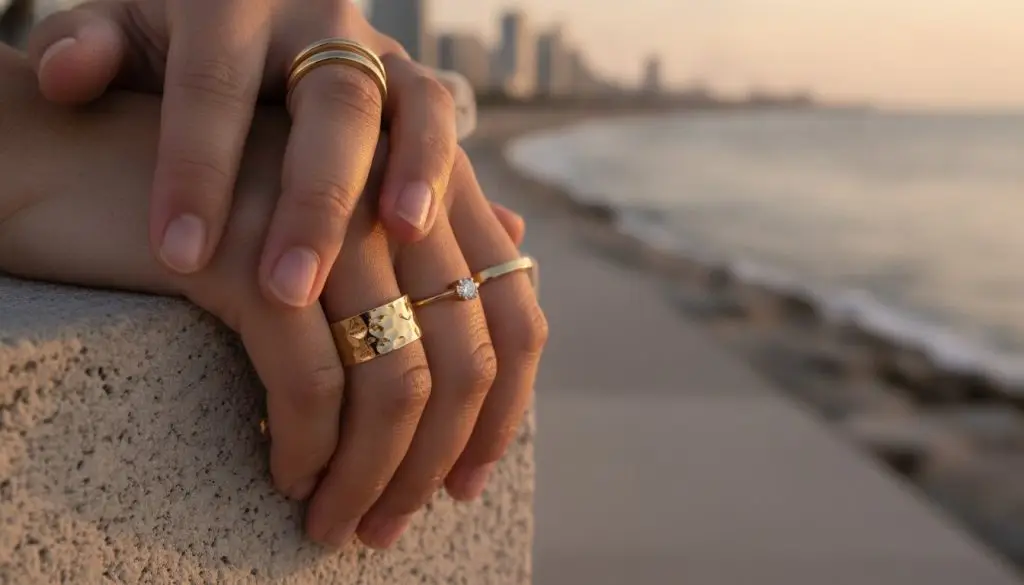
Minimalist Gold Rings: A Guide to Curating Your Timeless 18K Collection
-
Posted by
Your jewelry shouldn’t have an expiration date. Too many of us have felt the frustration of a cherished piece tarnishing or causing skin irritation…
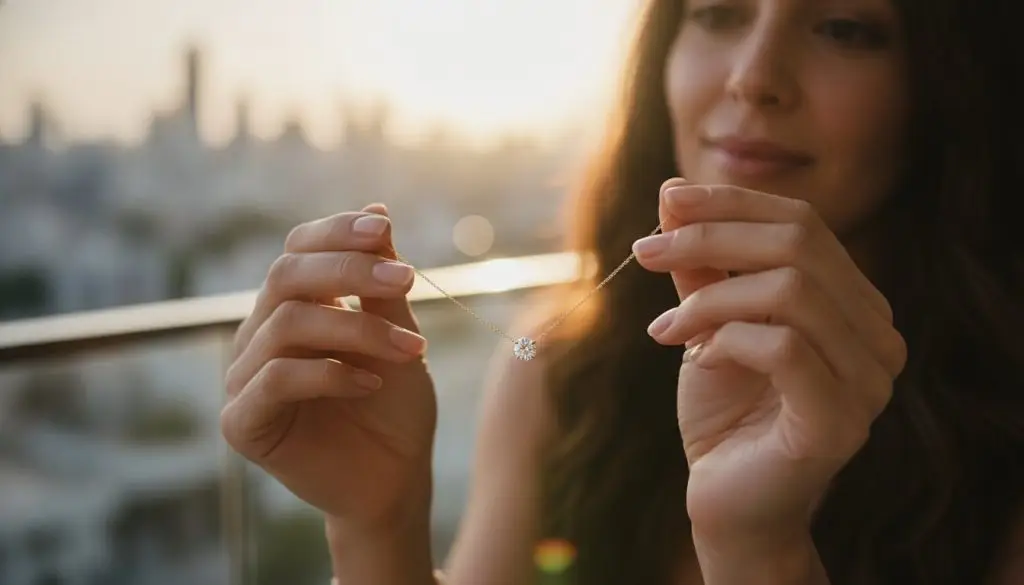
Getting a Better Price Than Big Brand Jewelers in Israel: The Insider’s Guide 2026
-
Posted by
That iconic logo on a shopping bag in a Tel Aviv mall might feel like a mark of quality, but it’s often the most expensive way to buy a memory. When…

Common Regrets After Buying an Engagement Ring: How to Choose a Forever Piece
-
Posted by
What if the most significant purchase of your life becomes a source of quiet hesitation every time you get ready in the morning? It’s a heavy…

15 Essential Questions to Ask a Jeweler Before They Start Designing Your Piece
-
Posted by
You’ve spent months dreaming of a piece that captures your unique story, but as the jeweler picks up their pencil, a flicker of anxiety often sets…
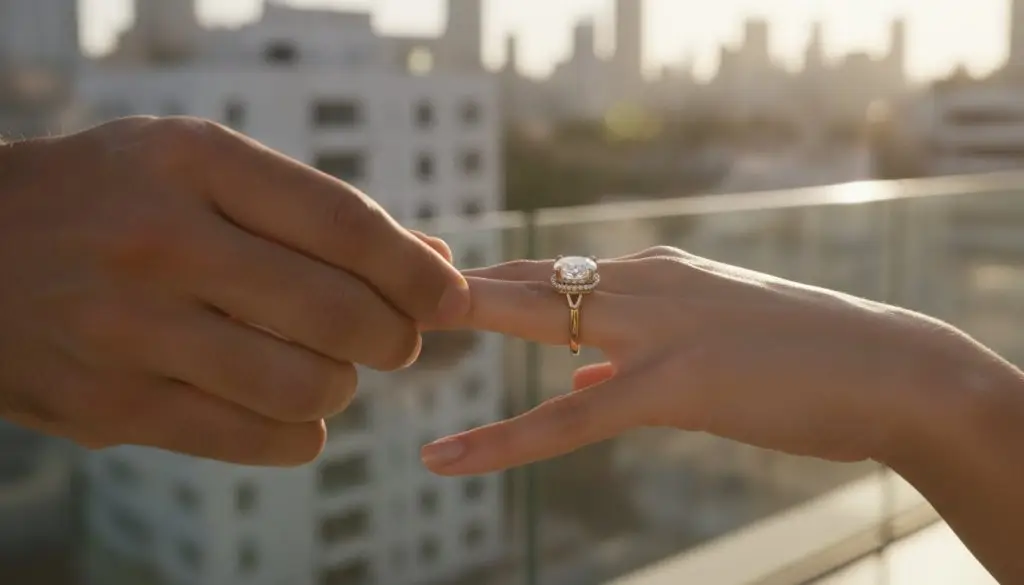
Hidden Halo Engagement Rings: A Guide to Subtle, Modern Brilliance (2026)
-
Posted by
What if the most captivating detail of your jewelry wasn’t meant for the rest of the world to see, but was a secret kept just for you? Many couples…
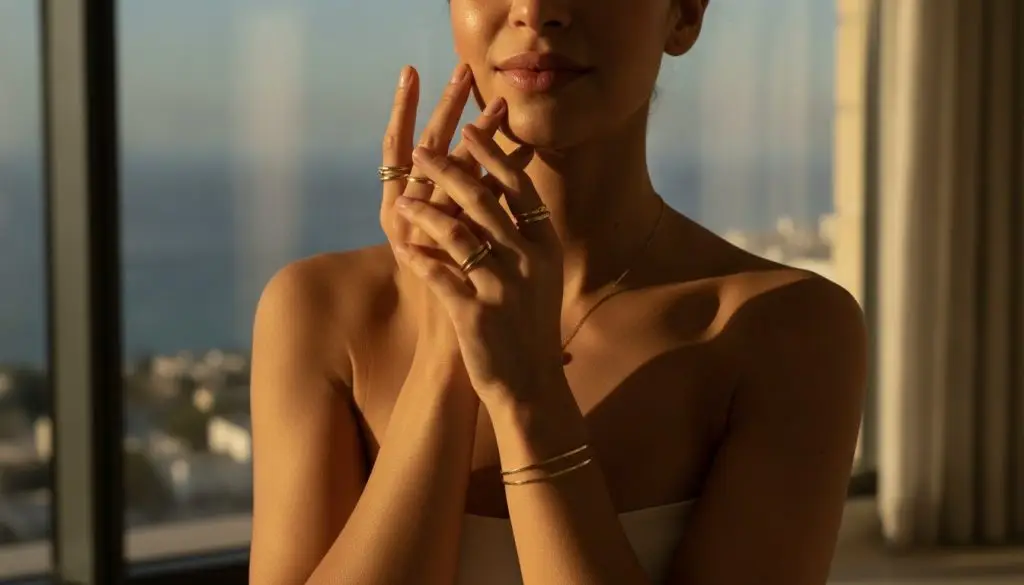
Handcrafted Minimalist Jewelry in Israel: A Guide to Modern Elegance (2026)
-
Posted by
Why settle for jewelry that simply fills a space when you could wear a piece that captures the depth of your own story? If you’ve been searching for…