

Blog
Lab Grown Diamonds vs Natural: Choosing Your Perfect Sparkle in 2026
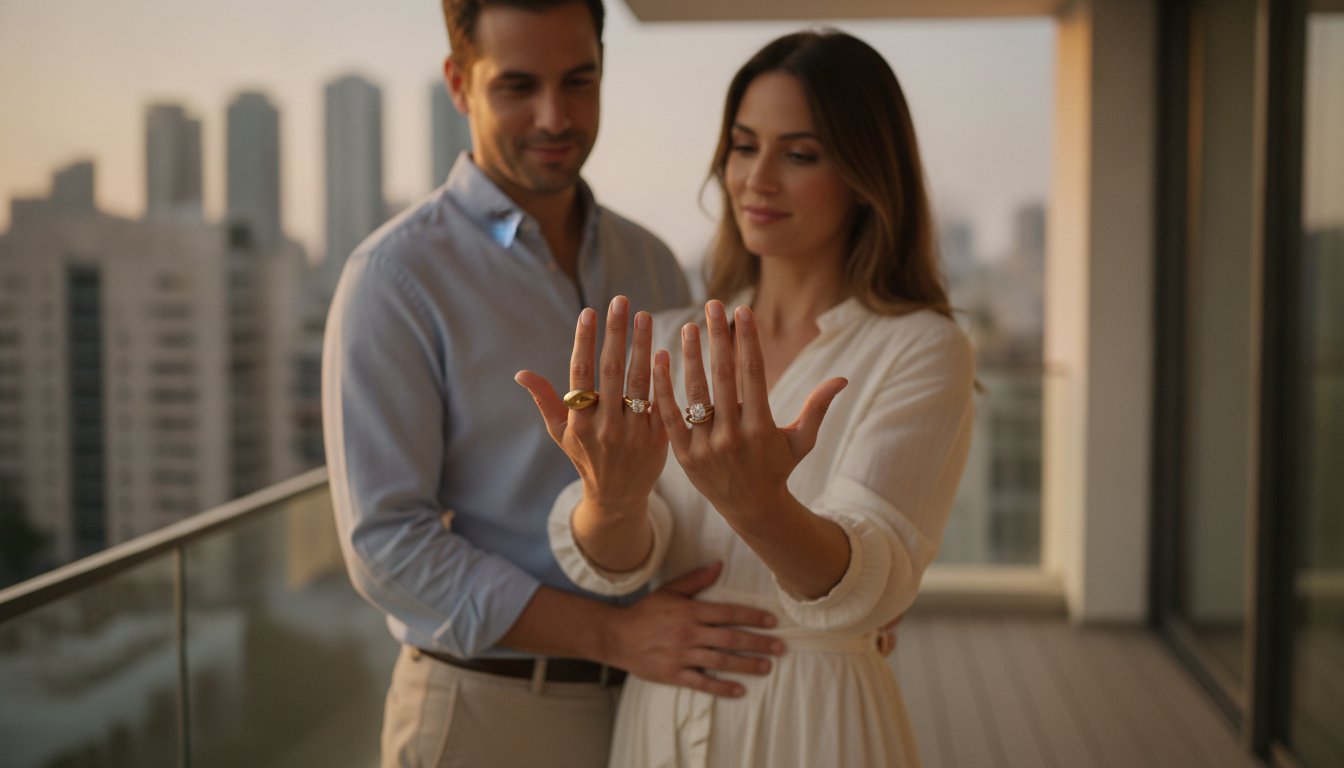
In 2026, over 45% of engagement rings now feature a lab-grown center stone, making the lab grown diamonds vs natural debate one of the most personal decisions you’ll face when marking a life milestone. It’s completely natural to feel a bit of hesitation. You want a piece that captures your unique story without the weight of ethical uncertainty or the fear that you’re overpaying. You’re looking for something that feels like an intimate expression of yourself, a quiet spark that celebrates your values as much as your style.
We believe that luxury should be an empowering part of your daily life, not a source of confusion. This guide will peel back the layers of the diamond industry to show you that these stones are chemical twins with simply different origins. You’ll discover the definitive differences in cost, resale value, and environmental impact that define the current market. We’ll provide a clear framework to help you decide which diamond type reflects your personal journey and fits beautifully into your world with confidence.
Key Takeaways
- Understand the scientific reality that lab-grown and natural diamonds are identical in brilliance and durability, sharing the exact same chemical DNA.
- Compare lab grown diamonds vs natural using a modern 2026 framework to see which choice best aligns with your personal values and budget.
- Discover how eliminating the traditional mining supply chain allows for high-carat luxury that’s both more accessible and ethically transparent.
- Learn a simple decision-making process to prioritize the 4Cs based on whether you value geological history or sustainable innovation.
- See how handcrafted 18k gold settings provide the perfect artisanal frame for a modern heirloom that celebrates your individual identity.
What is the Difference Between Lab Grown Diamonds and Natural?
Choosing between lab grown diamonds vs natural isn’t about picking between a real gemstone and a substitute. It’s about deciding which origin story resonates with your personal narrative. The most intuitive way to understand the difference is through the ice cube analogy. Imagine an ice cube formed in a frozen alpine lake and one created in your modern kitchen freezer. One is the product of nature’s slow, unpredictable cycles, while the other is the result of a controlled environment. Despite their different beginnings, both are H2O. They share the same cooling properties, the same clarity, and the same structural integrity.
In the jewelry world, this distinction is backed by law and science. The Federal Trade Commission (FTC) ruled years ago that a diamond is a diamond, regardless of whether it was mined or grown. This is a vital distinction for the modern shopper. It clarifies that lab-grown stones are not simulants like Cubic Zirconia or Moissanite. Those materials are entirely different chemical compounds that merely mimic the look of a diamond. A lab-grown stone is the authentic mineral, offering the same fire and brilliance you’ve always admired.
The Chemical Identity of Carbon
The shared soul of these stones is their crystalline carbon structure. Every Synthetic diamond is composed of carbon atoms arranged in a specific, tight-knit cubic pattern. This is what gives a diamond its legendary sparkle and strength. Because the chemical makeup is identical, even a seasoned professional jeweler cannot distinguish between the two with the naked eye or a traditional jeweler’s loupe. To identify the origin, experts use specialized laboratory equipment that detects tiny variations in growth patterns. These patterns act like a microscopic thumbprint, revealing whether the stone grew in a geological pocket or a high-tech chamber.
Why the ‘Real’ Debate is Over
The jewelry industry has moved toward a beautiful era of transparency and empowerment. When you look at lab grown diamonds vs natural options, you’ll find they are physical equals. Both stones sit at a perfect 10 on the Mohs scale of hardness, making them the most durable materials for everyday luxury. Their refractive index, which determines how they bend and reflect light, is also identical. This means the “sparkle” is exactly the same. Today, both types of stones come with respected grading certificates from organizations like the IGI or GIA. These documents verify the stone’s quality and origin, ensuring you can make your purchase with absolute confidence in its identity and value.
Origins and Creation: From the Earth vs. the Lab
The journey of a diamond is a story of extreme conditions. When comparing lab grown diamonds vs natural, you’re looking at two different ways to achieve the same crystalline perfection. One is a gift from the deep past, while the other is a triumph of human ingenuity. Both processes are fascinating, yet they offer entirely different emotional connections to the wearer.
Natural Diamonds: A Geological Miracle
Deep beneath the Earth’s crust, roughly 100 miles down, carbon atoms were crushed by unimaginable pressure and heat. This process didn’t happen overnight. It took between one and three billion years for these stones to form. These gems are literally older than the first land plants. Wearing a natural diamond connects you to a geological miracle that occurred long before human history began. However, gem-quality natural stones are incredibly rare. Only a tiny fraction of mined diamonds meet the standards for high-end jewelry, making every clear, brilliant stone a statistical anomaly of nature.
Lab Diamonds: The Pinnacle of Modern Science
Modern science has learned to replicate these extreme conditions in a fraction of the time. Instead of billions of years, a lab-grown stone takes only weeks or months to reach maturity. Every stone starts with a diamond seed. This is a tiny sliver of existing diamond that acts as a blueprint for new carbon atoms to follow. There are two primary ways this growth happens:
- CVD (Chemical Vapor Deposition): This is a poetic process that uses a vacuum chamber filled with carbon-rich gas. When the gas is energized, carbon atoms rain down onto the seed. It’s a method that mimics how diamonds might form in interstellar gas clouds.
- HPHT (High Pressure High Temperature): This method is a direct simulation of the Earth’s core. It uses massive presses to recreate the crushing weight and scorching heat that natural diamonds experience underground.
This GIA analysis on diamond differences explains that while the result is chemically identical, these distinct growth methods leave behind subtle markers. These growth patterns are only visible under advanced laboratory equipment. This technological precision allows for a level of purity and clarity that is often difficult to find in nature. For those who appreciate this blend of heritage and innovation, our handcrafted gold rings offer a beautiful way to wear a stone that reflects both artistic vision and modern ethics. By choosing a stone grown with such care, you’re embracing a modern heirloom that celebrates the duality of human creativity and sustainable progress.
Comparing Cost, Ethics, and Value
The decision between lab grown diamonds vs natural often centers on a delicate balance of aesthetics, ethics, and economics. In 2026, the marketplace has reached a fascinating turning point where luxury is no longer defined solely by rarity, but by the integrity of the choice. Understanding the financial and moral landscape of these stones allows you to select a piece that truly mirrors your identity without compromise.
The most immediate difference you’ll notice is the price tag. Lab-grown diamonds currently cost approximately 80% to 90% less than natural diamonds of comparable quality. This significant gap doesn’t stem from a difference in beauty or durability. As the Gemological Institute of America (GIA) explains, the physical properties are indistinguishable. Instead, the affordability of lab-grown stones is a result of a streamlined, high-tech supply chain. By removing the immense costs of geological exploration and heavy machinery required for mining, these stones reach your jewelry box with a much lighter financial footprint.
Sustainability and the Modern Consumer
For many, the “sparkle” of a diamond is dimmed if its origins are unclear. Traditional mining often carries a heavy environmental toll, involving significant land displacement and carbon emissions. Lab-grown stones offer a “conflict-free” guarantee by their very nature, as they are created in controlled environments with transparent labor practices. This shift toward a more Lab Diamonds: Brilliance with a Conscience approach resonates with those who view their jewelry as a symbol of both love and responsibility. In 2026, with India chairing the Kimberley Process and a global focus on expanding human rights protections, the transparency of laboratory production provides a sense of peace that traditional sourcing is still striving to match.
The Reality of Resale Value
It’s essential to view your jewelry as an emotional investment rather than a purely financial one. While natural diamonds historically retain a higher percentage of their purchase price, typically recovering 50% to 60% at resale, they still lose value the moment they leave the showroom. Lab-grown diamonds retain a smaller percentage, often between 10% and 30% in the current secondary market. However, the lower entry price of lab grown diamonds vs natural stones creates a different kind of value. It allows you to prioritize a larger carat weight or a higher clarity grade within the same budget. You aren’t just buying a stone; you’re choosing the scale and brilliance that best captures your personal story today.
How to Choose the Right Diamond for Your Story
Selecting a diamond is a deeply personal endeavor. It’s about finding a stone that mirrors your values and celebrates your unique journey. When you weigh the choice of lab grown diamonds vs natural, your decision framework should rest on three main pillars: your budget, your desired size, and the importance of tradition. Each path offers a beautiful way to express yourself. There’s no wrong answer; there’s only the one that feels right for you and your personal narrative.
Regardless of origin, every diamond’s beauty is evaluated through the 4Cs: Cut, Color, Clarity, and Carat weight. If you want a stone that truly dances in the light, prioritize the Cut above all else. A superior cut is what unlocks the brilliance and fire within the carbon structure, transforming a simple stone into a breathtaking emblem of joy. To ensure you’re getting exactly what’s promised, always look for independent grading from the IGI or GIA. These certifications provide an objective map of your stone’s quality, giving you peace of mind whether your diamond was formed in the earth or the laboratory.
When to Choose a Natural Diamond
A natural diamond is the perfect choice if you’re captivated by the geological miracle of a stone that is billions of years old. It appeals to the collector who values traditional rarity and the romantic idea of wearing something older than life itself. For those creating an heirloom where historical provenance is the primary focus, the story of a stone’s long journey through the earth’s crust adds a layer of timeless significance. It’s a choice rooted in the heritage of the earth.
When to Choose a Lab-Grown Diamond
If you’re a modern, eco-conscious buyer, a lab-grown stone offers a clean and transparent origin story that aligns with your ethics. It’s the ideal path for those who want to maximize their budget, allowing for a larger and more brilliant stone than a natural counterpart of the same price. This choice is particularly popular for engagement rings that celebrate contemporary values without sacrificing the classic allure of a diamond. You’re choosing the pinnacle of modern science and sustainable luxury.
Ready to find a piece that reflects your modern story? Explore our collection of handcrafted gold rings and find your perfect ethical sparkle today.
The KaMila Choice: Handcrafted 18k Gold & Lab Diamonds
At KaMila Fine Jewellery, we believe your jewelry should be an intimate expression of your personality and story. When we evaluate the choice of lab grown diamonds vs natural, we’ve intentionally chosen lab-grown stones to lead our minimalist collections. This decision allows us to offer the same chemical brilliance and durability as mined stones while honoring our commitment to ethical sourcing and sustainable luxury. We don’t view these pieces as mere accessories. They’re a quiet celebration of your values, designed to make your daily life feel special through artistry and quiet confidence.
Handcrafted Artistry in Every Piece
Our dedication to quality extends to the metal that holds these brilliant stones. We specialize in handcrafted gold rings and jewelry that balance a sense of strength with a delicate aesthetic. We use 18k gold because its rich, warm glow provides a superior frame for a diamond’s fire. This metal is durable enough for the rhythm of modern life while remaining soft enough for our artisans to shape by hand. Our Israeli design roots deeply influence this minimalist approach, ensuring that every piece feels grounded, creative, and entirely unique to the wearer.
Your Story, Your Choice
Choosing a diamond is finally about which origin story resonates with your heart. The debate over lab grown diamonds vs natural doesn’t have a universal winner because the “best” stone is the one that aligns with your story, your budget, and the legacy you wish to wear. Whether you’re drawn to the geological history of a natural stone or the innovative transparency of a lab-grown one, your choice is a powerful reflection of your identity. You can explore our styling guide to see how these modern emblems fit seamlessly into a curated, everyday look.
If you’re looking for something truly personal, we’re here to guide you through the process. We offer custom jewelry design and gemstone sourcing to help you create a piece that captures your specific vision. We invite you to reach out for a custom design consultation to start your journey. Let’s work together to craft a modern heirloom that celebrates your strength, your grace, and the beautiful story you’re still writing every day.
Embrace Your Modern Sparkle
Choosing between lab grown diamonds vs natural is ultimately an act of self-expression. You now understand that these stones are chemical equals; one is a miracle of the earth’s deep past, while the other is a triumph of sustainable innovation. Whether you prioritize the romantic rarity of a mined stone or the ethical clarity and accessible luxury of a lab-grown diamond, your decision marks a meaningful chapter in your personal story. By focusing on superior cut and verified certification, you ensure that your chosen emblem will radiate brilliance for a lifetime.
We invite you to find a piece that resonates with your values and your aesthetic. Our collection combines 18k solid gold craftsmanship with ethically sourced lab diamonds, all brought to life through a modern minimalist Israeli design. Every handcrafted piece is intended to feel like an intimate part of your daily life, serving as a quiet reminder of your own strength and grace.
Explore our Handcrafted Lab Diamond Collection today and discover a modern heirloom that truly reflects who you are. Your perfect sparkle is waiting to become a part of your journey.
Your Questions About Lab-Grown Diamonds
Can a jeweler tell the difference between lab-grown and natural diamonds?
A professional jeweler cannot distinguish between lab grown diamonds vs natural using only their eyes or a standard jeweler’s loupe. Because they are chemically identical, their fire and brilliance are exactly the same. Identification requires specialized laboratory equipment designed to detect microscopic growth patterns that act like a geological or technological thumbprint.
Do lab-grown diamonds get cloudy or change color over time?
Lab-grown diamonds will never get cloudy, fade, or change color. Their crystalline carbon structure is just as stable as that of a mined stone, meaning their beauty is permanent. You can wear your jewelry every day with the absolute confidence that its sparkle will remain vibrant for generations to come.
Are lab-grown diamonds worth anything?
Lab-grown diamonds hold value as authentic pieces of fine jewelry, though their resale value is lower than natural diamonds. In 2026, they typically retain between 10% and 30% of their original retail price on the secondary market. Most owners find their true value lies in the ability to own a larger, higher-quality stone that reflects their modern ethics and personal style.
Is a lab-grown diamond a fake diamond?
A lab-grown diamond is a real diamond, not a fake or a simulant. It possesses the exact same physical and chemical properties as a stone pulled from the earth. Unlike materials like cubic zirconia or moissanite, which are different minerals entirely, a lab-grown stone is 100% carbon and is legally classified as a diamond by the Federal Trade Commission.
Why are lab-grown diamonds cheaper than natural ones?
The lower price is a direct result of a shorter and more efficient supply chain. Lab-grown stones don’t require expensive geological surveys, heavy mining machinery, or complex international shipping routes. This technological efficiency allows the price of lab grown diamonds vs natural alternatives to remain significantly lower while offering the same handcrafted luxury.
Do lab-grown diamonds have inclusions like natural ones?
Yes, lab-grown diamonds have inclusions just like natural ones. They grow through a process of crystallization, which means they can develop tiny internal characteristics during their formation. These unique birthmarks are graded using the same clarity scale as mined diamonds, ensuring that every stone has its own individual identity and story.
Which is more ethical: lab-grown or natural diamonds?
Lab-grown diamonds are generally considered the more ethical choice for the modern consumer. They eliminate the environmental disruption of traditional mining and offer a fully transparent, conflict-free origin. This makes them an ideal choice for those who want their jewelry to be a symbol of both love and a clear conscience.
Can lab-grown diamonds pass a diamond tester?
Lab-grown diamonds will pass a standard diamond tester every time. Since they share the same thermal and electrical conductivity as mined diamonds, they react identically to common testing tools. Only advanced laboratory machines can tell them apart by looking at how the carbon atoms were originally layered during growth.
Related Posts
Unique Engagement Rings: A Guide to Handcrafted, Modern Heirlooms
-
Posted by
מילה קלר
What if the ring that defines your forever didn’t come from a velvet-lined display case in a crowded mall? Many couples feel uninspired by the sea of…

Crafting Your Story: The Ultimate Guide to Custom Diamond Rings in 2026
-
Posted by
What if the most meaningful piece of jewelry you ever own wasn’t found in a velvet-lined display case, but was born from a simple conversation? Many…
The Modern Custom Initial Ring: A Guide to Choosing Your Signature Heirloom
-
Posted by
A single letter can carry the weight of an entire legacy when it’s crafted with the right intention. You likely want a piece of jewelry that feels…
Modern Brilliance: The Guide to Lab Diamond Star of David Necklaces
-
Posted by
What if the most meaningful symbol of your heritage could be as clear and conscious as your future? Choosing a piece of jewelry that represents your…
18k Gold Star of David Necklace: A Guide to Modern Heirlooms & Meaning
-
Posted by
Can a symbol with thousands of years of history truly reflect a modern, minimalist aesthetic? For many, traditional jewelry feels a bit too heavy or…
18k Gold Lab Diamond Rings: A Guide to Choosing Your Modern Heirloom in 2026
-
Posted by
What if the most precious thing you own wasn’t pulled from the earth, but born from a spark of human ingenuity and a deep commitment to the future?…
Custom Star of David Necklace: A Guide to Modern Personalized Heirlooms
-
Posted by
Why does a symbol of such deep personal history often come in a box shared by thousands of others? You want to honor your heritage, but many…
Custom Tennis Bracelet: Designing a Modern Heirloom That Tells Your Story
-
Posted by
A piece of jewelry shouldn’t just sit on your wrist; it should carry the weight of your most cherished memories without ever feeling heavy. You…

How to Choose a Ring Style: A Guide to Meaningful Self-Expression
-
Posted by
A ring is more than a circle of gold; it’s a wearable emblem of your personal history and a quiet reflection of your unique story. Finding that…
The Value of Handcrafted Jewelry in Israel: How to Outsmart Big Brand Markups
-
Posted by
What if the most expensive part of your new diamond ring has nothing to do with the diamond itself? When you step into a high-end boutique in Tel…
Modern Minimalist Gold Rings: The 2026 Guide to Everyday Elegance
-
Posted by
True minimalism isn’t about disappearing into the background. It’s about choosing a single, sculptural piece that speaks so clearly it defines your…
Investing in Heirloom Quality Jewelry: A Guide to Modern Heritage Pieces
-
Posted by
Imagine your granddaughter opening a velvet box fifty years from today and finding a ring that looks just as radiant as the day you first slipped it…