

Blog
How to Store Fine Jewelry to Prevent Tarnishing: The Ultimate Preservation Guide
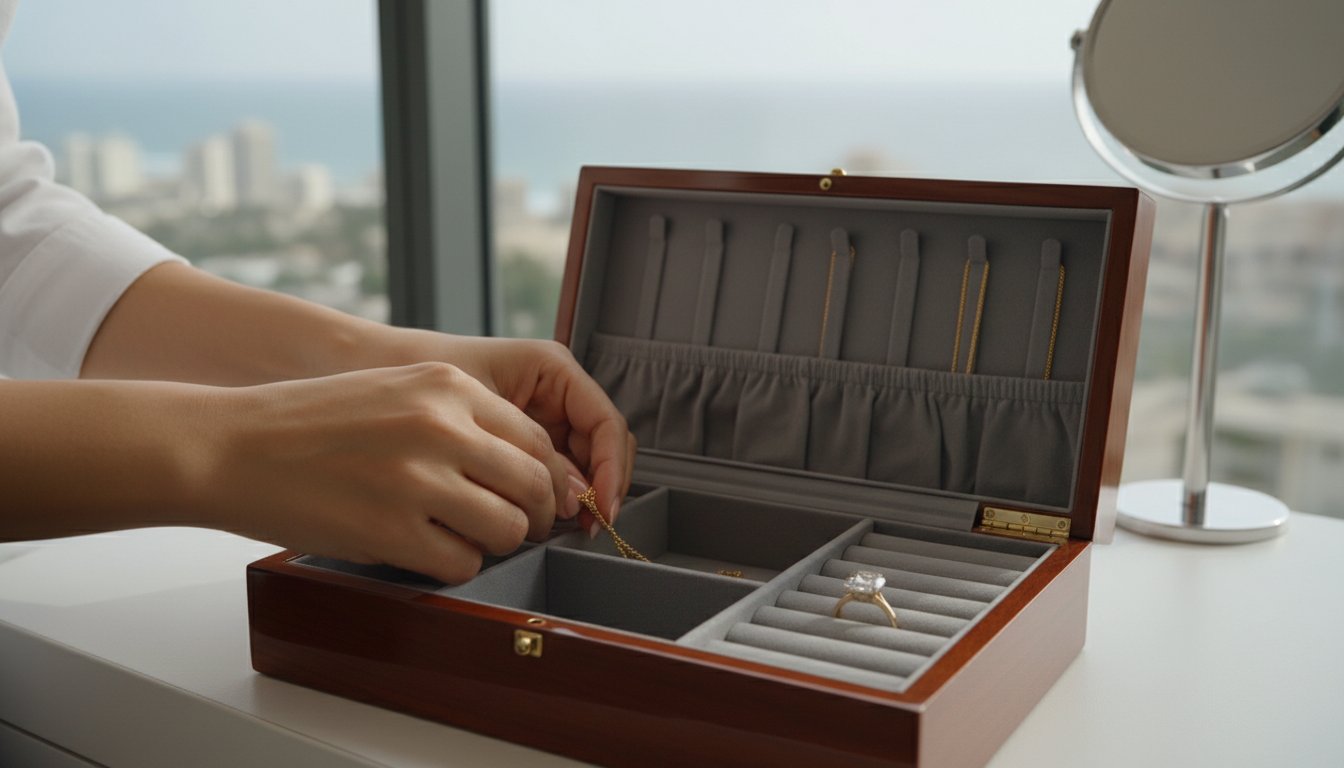
Imagine reaching for your favorite 18k gold necklace for a special evening, only to find it’s lost its luster or become a frustrating, tangled web. It’s a common disappointment that often stems from a simple misunderstanding of how to store fine jewelry to prevent tarnishing. Your jewelry isn’t just an accessory; it’s an intimate expression of your story, and seeing a piece look dull or scratched feels like losing a bit of that personal history. While we often focus on the excitement of a new purchase, the quiet artistry of preservation is what keeps that joy alive for years to come.
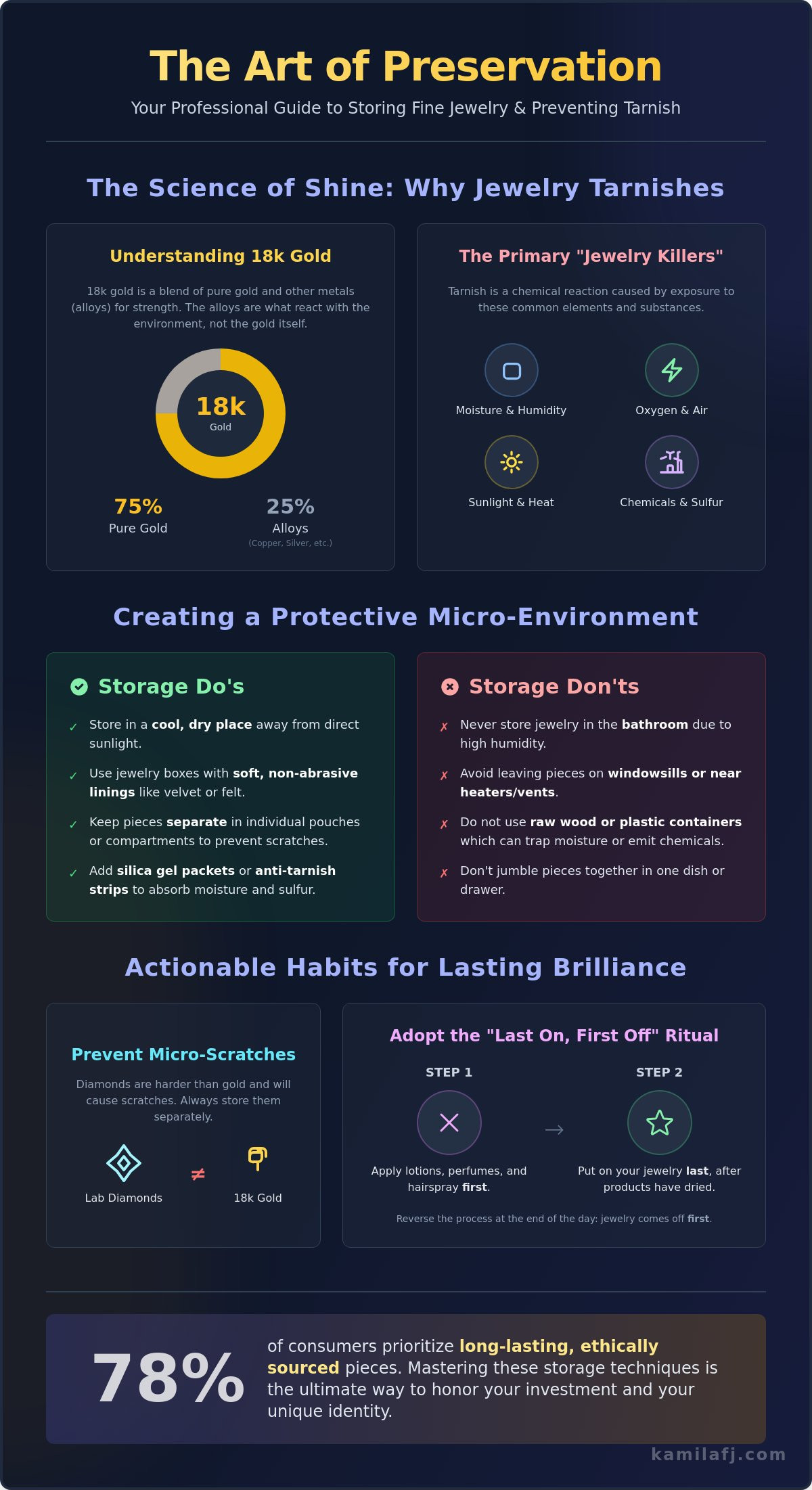
We understand the frustration of seeing your heirlooms lose their spark, especially when you’re unsure if they need a deep clean or just a better home. In this guide, we’ll reveal the professional secrets to maintaining the brilliant glow of 18k gold and the fire of lab diamonds through a simple, elegant daily routine. You’ll discover how to control the micro-environment of your collection, from managing humidity to preventing diamond-on-gold scratches. With 78% of consumers now prioritizing long-lasting, ethically sourced pieces, mastering these storage techniques is the ultimate way to honor your investment and your unique identity.
Key Takeaways
- Understand the science of oxidation and why a controlled, low-humidity environment is vital for preserving the warmth and luster of 18k gold.
- Discover the essential professional techniques for how to store fine jewelry to prevent tarnishing by isolating individual pieces from moisture and air.
- Learn why separating lab diamonds from your gold necklaces and rings is the only way to prevent micro-scratches and maintain a smooth, mirror-like finish.
- Adopt a simple “last on, first off” daily ritual that protects your jewelry from the harmful chemicals found in perfumes, lotions, and hairsprays.
The Science of Shine: Why Fine Jewelry Tarnishes
Tarnish isn’t a sign of poor quality. It’s actually a natural chemical reaction between the metals in your collection and the world around them. Understanding The Science of Shine is the first step in mastering how to store fine jewelry to prevent tarnishing. While pure 24k gold is incredibly stable and resistant to oxidation, it’s also too soft for the intricate, daily wear designs we love. This is why artisans use 18k gold, which blends 75% pure gold with other metals to provide strength and durability.
There’s a distinct difference between simple dirt buildup and actual metal oxidation. Dirt is usually a layer of oil, skin cells, or dust that sits on top of the piece, which a gentle cleaning can easily resolve. Oxidation, or tarnish, is a deeper chemical bond that occurs when the alloyed metals in your gold react with moisture, oxygen, or sulfur in the air. These “jewelry killers” are invisible but persistent. If you’ve ever noticed your favorite ring looking a bit darker or losing its mirror-like finish, you’re likely seeing the result of this environmental interaction. Learning how to store fine jewelry to prevent tarnishing is essentially about creating a protective micro-environment where these reactions can’t take place.
The Role of Alloys in 18k Gold
18k gold is the industry standard for high-end craftsmanship because it offers a perfect balance of purity and resilience. However, the 25% of the piece that isn’t gold consists of alloys like copper, silver, or zinc. These are the elements that give rose gold its romantic blush or yellow gold its classic warmth. Copper is particularly sensitive to oxygen and moisture, which is why rose gold can sometimes develop a deeper, vintage patina over time if left exposed. Silver alloys in yellow gold are equally prone to reacting with sulfur compounds. While the gold itself remains untouched, the dulling of these surrounding alloys can make the entire piece appear less vibrant.
Chemical Triggers in Daily Life
Your daily routine often introduces catalysts that speed up the tarnishing process. Perfumes, hairsprays, and lotions contain complex chemical formulas that can bond with metal surfaces, creating a film that traps moisture against the gold. Even your skin’s natural pH and perspiration can play a role, as the acidity levels vary from person to person. One of the most common mistakes is keeping jewelry in the bathroom. The constant cycle of steam and humidity from the shower makes the bathroom the worst possible place for storage. This moisture acts as a bridge for oxygen to reach the alloys in your 18k gold, leading to faster oxidation and a loss of that “new” jewelry glow.
Creating the Ideal Storage Environment
Preserving the brilliance of your collection is about more than just finding a safe spot. It’s about designing a sanctuary. Mastering how to store fine jewelry to prevent tarnishing begins with controlling the atmosphere inside your jewelry box. Think of it as a micro-environment. When you limit the flow of oxygen and moisture, you effectively pause the chemical reactions that cause 18k gold alloys to dull. A thoughtful storage setup ensures that your favorite pieces remain as vibrant as the memories they represent.
Consistency is the secret to longevity. Following GIA’s jewelry care guidelines, we recommend a cool, dry place away from direct sunlight. Rapid changes in the environment can be surprisingly stressful for fine materials. By using physical barriers like specialized cases or soft pouches, you block out environmental pollutants and sulfur compounds that linger in the air. This proactive approach turns a simple habit into a ritual of self-respect for your most cherished items.
Moisture Control Strategies
Moisture is the primary catalyst for oxidation. To combat this, consider adding anti-tarnish strips to your storage drawers. These small, treated papers absorb atmospheric sulfur before it can reach your gold. You can also give a second life to those silica gel packets found in new handbags or shoeboxes. Placing one inside your jewelry box creates an incredibly dry micro-environment. Material choice matters here, too. Avoid raw wood or plastic containers, which can off-gas chemicals or trap humidity. Instead, opt for boxes lined with high-quality felt or velvet. These fabrics are gentle on the metal and don’t retain moisture like synthetic alternatives.
Light and Temperature Regulation
Light and heat are often overlooked “jewelry killers.” Direct sunlight can actually “bleach” or fade certain gemstones over time, and the UV rays can eventually affect the integrity of some settings. Storing your collection near a heater or an AC vent is equally risky. Extreme temperature fluctuations cause metals to expand and contract, which might loosen stone settings over years of exposure. A dark, stable location, such as a dresser drawer in a climate-controlled room, is the gold standard for long-term preservation. When you treat your handcrafted gold necklaces and rings with this level of care, they stay ready to shine at a moment’s notice.
Material-Specific Storage: Gold vs. Diamonds
Beyond the invisible threats of humidity and air, the physical arrangement of your collection is a critical factor in preservation. Many collectors mistakenly toss their pieces into a communal tray or a single large drawer. This creates constant metal-on-metal friction. Over time, these tiny collisions lead to micro-scratches that dull the surface and trap environmental pollutants. Mastering how to store fine jewelry to prevent tarnishing involves understanding the physical properties of each material to ensure they don’t damage one another.
A fundamental rule for any modern artisan or collector is the “one-slot-one-piece” principle. Each item deserves its own dedicated space. This isn’t just about organization; it’s about preserving the integrity of the craftsmanship. When pieces are isolated, you eliminate the risk of tangling and surface wear. This thoughtful approach ensures that when you reach for a piece, it’s as pristine as the day you first fell in love with it.
Protecting Your 18k Gold Pieces
18k gold is prized for its rich, buttery color and lasting value. Because it contains 75% pure gold, it’s relatively soft compared to base metals or gemstones. When multiple gold rings or necklaces touch, they can actually burnish or dent one another. Using individual soft-cloth pouches for your gold bracelets ensures they don’t rub against other metals. This simple act preserves the smooth, mirror-like finish of the gold. For delicate chains and minimalist designs, consider hanging them or laying them flat in separate grooves. A tangled necklace is a nuisance, but the stress of untangling it can also stretch the gold links or weaken the clasp.
Managing Lab-Grown Diamonds and Gemstones
Diamonds are the hardest known material on Earth. While this makes them incredibly durable for daily wear, it also means they can scratch almost anything else in your jewelry box. A diamond ring can easily leave a permanent gouge in an 18k gold band or scratch the surface of a softer gemstone. When you are curating your collection of lab diamonds, remember that their brilliance should be isolated. Store them in dedicated padded compartments or lined boxes. This protects the gold settings and keeps the stones from scratching one another. Keep in mind that while gold and diamonds thrive in dry, airtight spaces, organic stones like pearls need a tiny bit of moisture from the air to prevent cracking. This is why material-specific storage is an art form. It’s about respecting the unique needs of every piece in your personal narrative.
Actionable Habits for Everyday and Travel Storage
Creating a sanctuary for your collection is a wonderful start, but the real preservation happens in the moments between wearing and storing. Daily habits are the bridge between a piece looking brand new and one that slowly loses its fire. One of the most effective ways to master how to store fine jewelry to prevent tarnishing is to adopt a “last on, first off” philosophy. This means your jewelry should be the very last thing you put on after your perfume and hairspray have dried, and the first thing you remove when you return home. This simple shift significantly reduces the chemical exposure that triggers oxidation in 18k gold alloys.
Beyond daily wear, the way you handle your pieces during transitions matters. Before placing a piece back into its dedicated compartment, give it a quick once-over. A clean, lint-free cloth can remove surface oils that might otherwise sit and react with the metal overnight. For your more intricate items, such as gold necklaces, using specialized storage like hanging hooks or flat-lay velvet grooves is essential. It prevents the tiny, frustrating knots that can lead to permanent kinks in the gold or weakened links.
The Nightstand Routine
It’s tempting to leave your rings on the nightstand or sleep in your favorite earrings. However, sleeping in fine jewelry is a leading cause of accidental damage. Your body heat and natural perspiration can accelerate dulling, while the physical movement during sleep can bend delicate gold bands or snag fine chains. Instead, keep a small ceramic or fabric-lined tray by your bed for temporary overnight storage. Spend just 30 seconds wiping each piece with a soft cloth before setting it down. This prevents skin oils from bonding with the metal, making it much easier to keep your collection sparkling without needing frequent deep cleans.
Safe Travel Storage Techniques
Travel presents unique challenges for jewelry preservation. The constant movement of a suitcase can cause pieces to jumble, leading to the metal-on-metal friction we discussed earlier. Invest in a dedicated travel case with secure, padded dividers rather than a simple fabric roll. Hard-shell cases offer better protection against crushing. When packing, ensure earrings are secured through a dedicated foam strip so they don’t wander and scratch your gold bracelets. Most importantly, always keep your high-value items in your carry-on bag. Whether you are traveling for a wedding or a weekend getaway, your custom gold jewelry deserves the security of staying by your side.
The KaMila Philosophy: Caring for Your Modern Heirlooms
Caring for your collection is more than a maintenance task; it’s a ritual of self-respect. When you understand how to store fine jewelry to prevent tarnishing, you aren’t just protecting metal and stones. You’re preserving the chapters of your life that these pieces represent. 18k gold is a beautiful, sustainable choice for these modern heirlooms because its value and integrity endure for generations. By treating each piece with intentional care, you ensure that the story it tells remains as vivid and brilliant as the day it began. This mindful approach transforms an everyday object into a lasting legacy.
True preservation is a partnership between your daily habits and professional expertise. While your at-home routine handles the micro-environment, periodic check-ups ensure the structural foundation remains sound. This holistic view of jewelry care honors the artistry behind every link and setting. It’s about recognizing that luxury isn’t an occasional indulgence but a consistent part of how you present yourself to the world. Mastering how to store fine jewelry to prevent tarnishing is simply the first step in a lifelong journey of sparkling self-expression.
Professional Maintenance and Beyond
Professional check-ups are the quiet guardians of your collection. Before tucking a piece away for long-term storage, it’s wise to have a professional examine the prongs and settings. This prevents the heartbreak of a loose stone and ensures the structural integrity of your gold rings and earrings. A professional deep clean every year or two can also reach the hidden crevices that daily wiping might miss, restoring that original, breathtaking fire. Think of these visits as a spa day for your most cherished items, ensuring they’re always ready for their next chapter.
Elevating the Everyday Experience
A well-organized collection does more than prevent tarnish; it simplifies your morning. When every piece has its place, the transition from storage to styling fine jewelry becomes a moment of creative joy rather than a search for a missing earring or a tangled chain. You can curate your look with confidence, knowing each item is in pristine condition and ready to shine. There’s a profound emotional value in opening a beautifully organized jewelry box. It serves as a visual reminder of your history, your strength, and your personal style. We encourage you to treat every piece as a celebration of self, honoring the unique narrative that only you can wear.
Preserving Your Personal Brilliance
Your collection is a living gallery of your most cherished moments. By mastering the art of the micro-environment and adopting the “one-slot-one-piece” rule, you ensure your treasures remain as luminous as the day they first touched your skin. Understanding how to store fine jewelry to prevent tarnishing is a simple yet powerful ritual that honors the craftsmanship of your favorite pieces. It’s about more than just maintenance; it’s about respecting the sustainable materials and artistic vision that make your jewelry unique.
At KaMila, we believe that high-end craftsmanship should make every day feel special. Our modern minimalist designs are handcrafted in Israel, using ethical lab diamonds and sustainable 18k gold to reflect your individual story. We invite you to explore KaMila’s handcrafted 18k gold collections and find a new piece to treasure. Treat your jewelry with the grace it deserves, and it will continue to celebrate your identity for a lifetime.
Frequently Asked Questions
Does 18k gold tarnish if it’s not worn?
18k gold can indeed tarnish even when it’s tucked away in a drawer. Because it’s an alloy made of 75% pure gold and 25% other metals like copper or silver, those base metals eventually react with the oxygen and moisture in the air. Storing your pieces in an airtight container or a lined jewelry box is the most effective way to slow this natural oxidation process and keep the metal bright.
Can I use plastic zip-lock bags to store my fine jewelry?
You can use plastic zip-lock bags for most gold and diamond pieces, provided they are PVC-free. These bags create an airtight seal that helps you understand how to store fine jewelry to prevent tarnishing by limiting exposure to humidity and sulfur. However, never use them for organic gems like pearls or opals. Those stones require a small amount of moisture from the air to prevent them from becoming brittle or cracking.
How often should I clean my jewelry before putting it away?
You should ideally wipe down your jewelry with a soft, lint-free cloth every time you take it off. This simple ritual removes skin oils, sweat, and cosmetic residue that can bond to the surface and accelerate the dulling of 18k gold alloys. For a deeper clean, aim for a professional inspection or a gentle at-home soak once every few months to maintain the original fire of your lab diamonds and gemstones.
Is it okay to store silver and gold jewelry together?
It’s best to keep your silver and gold jewelry in separate compartments or individual pouches. Sterling silver tarnishes much faster than 18k gold and can actually transfer tarnish-causing sulfur compounds to your gold pieces if they are in direct contact. Beyond the chemical risk, silver is often softer than gold and can be easily scratched if the pieces rub together in a communal tray or drawer.
What is the best type of lining for a jewelry box?
The best lining for a jewelry box is a soft, non-abrasive fabric like high-quality velvet, silk, or tarnish-resistant cotton. These materials don’t trap moisture and provide a gentle cushion against physical impact or scratches. Avoid boxes lined with raw wood or certain acidic adhesives. These materials can release gases over time that speed up the oxidation of the alloy metals in your fine jewelry collection.
Do anti-tarnish strips actually work for gold?
Anti-tarnish strips are highly effective for gold jewelry because they proactively absorb the sulfur and pollutants in the air before they can reach the metal. While 18k gold is more resistant than silver, its copper and silver alloys still benefit from this extra layer of protection. These small strips are a low-cost, professional secret for anyone learning how to store fine jewelry to prevent tarnishing during long-term preservation.
How do I prevent my gold chains from tangling in storage?
To prevent gold chains from tangling, you should always store them individually by hanging them on hooks or laying them flat in dedicated velvet grooves. If you’re traveling, you can thread the chain through a clean drinking straw or use a specialized jewelry roll with secure tabs to keep the links taut. Never pile multiple necklaces in a single pouch, as this is the primary cause of frustrating knots and weakened gold links.
Should I store my lab-grown diamonds differently than natural diamonds?
You don’t need to store lab-grown diamonds differently than natural ones because they share the exact same physical and chemical properties. Both are the hardest material on Earth and can easily scratch your 18k gold settings or other softer gemstones. Always keep your diamond rings and earrings in separate, padded compartments to ensure they don’t cause accidental surface damage to the rest of your modern heirloom collection.
Related Posts

Jewelry Design in Haifa: What to Expect in 2026
-
Posted by
מילה קלר
If you’re searching “jewelry design consultation in Haifa what to expect,” you may be wondering what to bring, which decisions you’ll need to make,…
Designing a Custom 18k Gold Ring: 2026 Bespoke Guide
-
Posted by
What if the most exquisite jewelry you ever own isn’t reserved for formal galas, but crafted to enrich your daily life? When you start exploring…

Jewelry That Makes Me Feel Protected and Strong: A Guide to Modern Talismans
-
Posted by
Most people view a necklace or a ring as a simple finishing touch, but for the modern woman, it’s often the first layer of emotional armor she puts…
How to Stack Rings: The Art of Curating Your Personal Story in 18K Gold
-
Posted by
What if your jewellery box wasn’t just a collection of objects, but a living timeline of your most cherished milestones? You’ve likely looked at a…
Minimalist Gold Rings: A Guide to Curating Your Timeless 18K Collection
-
Posted by
Your jewelry shouldn’t have an expiration date. Too many of us have felt the frustration of a cherished piece tarnishing or causing skin irritation…

18k Gold Earrings for New Piercings: Safe Styling Guide
-
Posted by
What if the most rewarding part of your piercing journey wasn’t the initial appointment, but the moment you finally swap those generic studs for…

18k Gold Minimalist Bracelets: The Ultimate Guide to Timeless Everyday Luxury
-
Posted by
True minimalism isn’t about having less; it’s about requiring more from the few pieces you choose to wear every day. If you’ve ever felt the…

18k Gold Stud Earrings: The Ultimate Guide to Everyday Luxury
-
Posted by
Why should the jewelry you wear every single day be the piece that irritates your skin or loses its radiance before the season even turns? It’s a…

18k Gold Jewelry Care: Preserving Modern Heirlooms
-
Posted by
Is your most cherished jewelry tucked away in a dark velvet box, waiting for a “special enough” occasion that never quite arrives? Many women…

Shipping Fine Jewelry from Israel to the US: The Complete 2026 Guide
-
Posted by
You’ve finally found it: an 18k gold necklace from a Tel Aviv studio that perfectly captures a chapter of your own story. The design is breathtaking,…

Jewish Gold Jewelry: Modern Israeli Artistry for 2026
-
Posted by
Why should a piece of jewelry that represents your deepest identity feel like a heavy, outdated relic from a different century? Most of us have…
The Ultimate Guide to Choosing a Minimalist 18k Gold Necklace in 2026
-
Posted by
Is your jewelry box a collection of “for now” pieces or a reflection of your forever story? Many women find themselves caught in a cycle of buying…