
Blog
What to Do With Inherited Jewelry: A Guide to Honoring the Past and Styling the Future
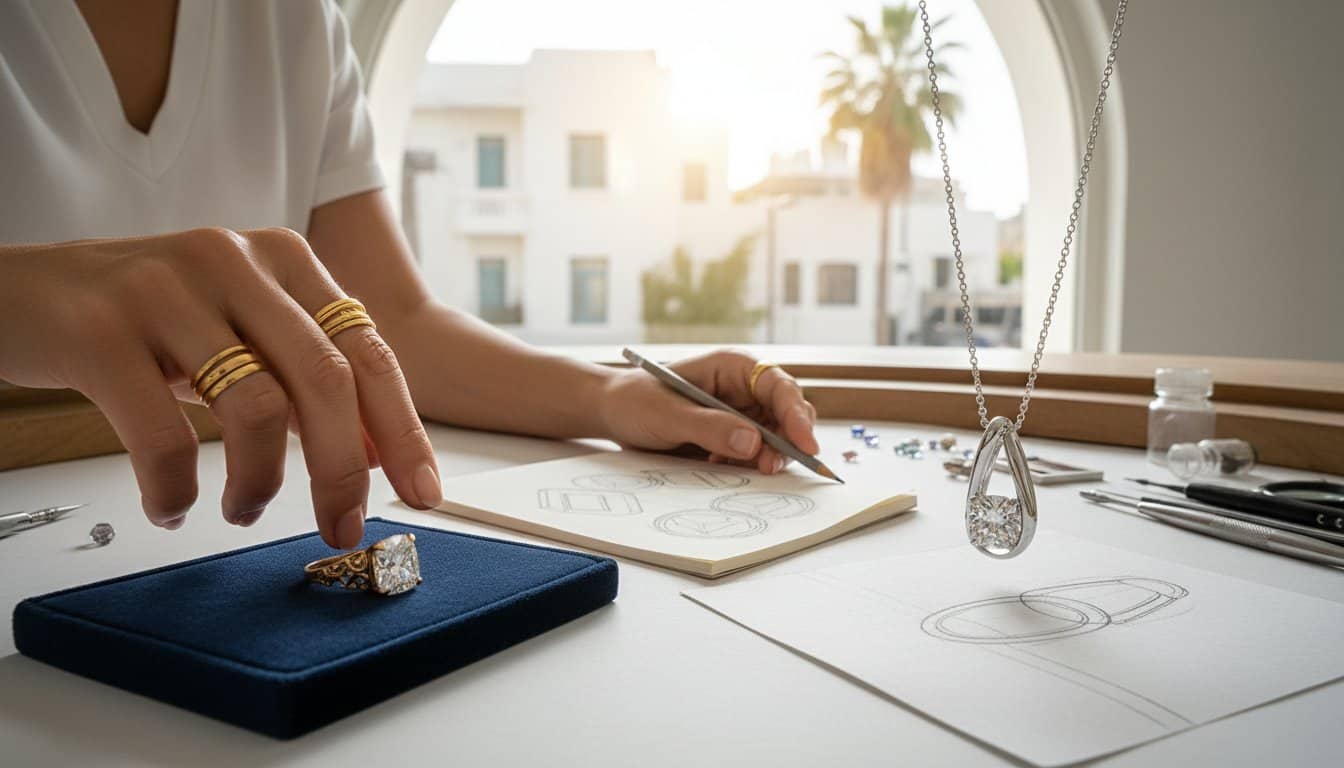
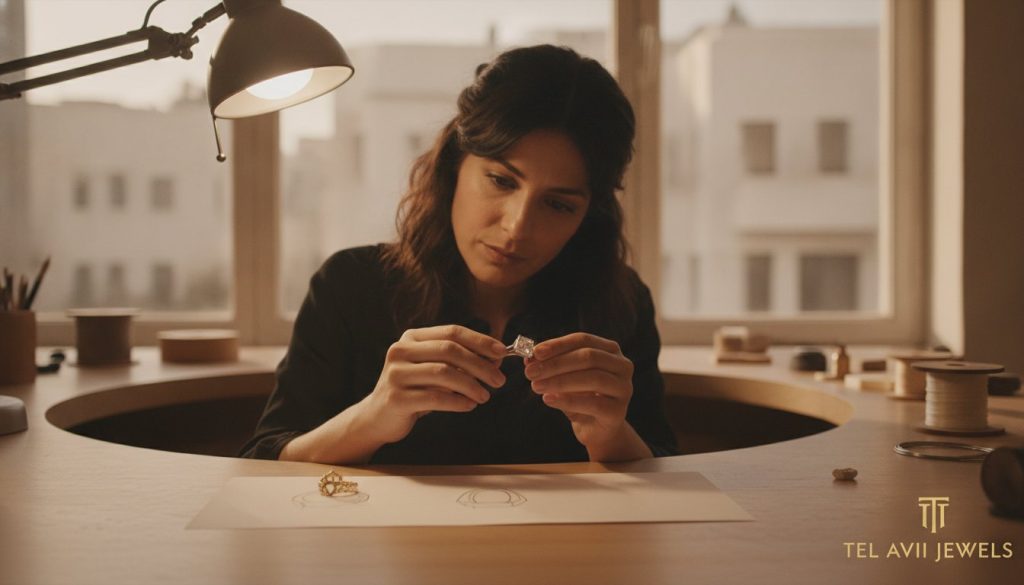
Last Tuesday, a client walked into our Tel Aviv studio holding a small, velvet box. Inside was her grandmother’s engagement ring: a beautiful stone in a setting that felt more like a museum piece than personal jewelry. She confessed she felt guilty for not wearing it, but the ornate style just wasn’t her. This mix of love, memory, and stylistic confusion is a feeling we understand completely. You’re holding a piece of your family’s story, but it doesn’t quite fit into the narrative of your own life.
That’s why we created this guide to figuring out what to do with inherited jewelry. We promise to give you the clarity you need to honor its past while making it a joyful part of your future, whether that means wearing it, redesigning it, or selling it with confidence. We’ll walk you through everything from understanding its true value, with appraisal costs in Israel starting around ₪350, to inspiring ways you can transform it into a modern, meaningful piece you’ll never want to take off.
Key Takeaways
- Begin by conducting an ’emotional audit’ to distinguish between treasured heirlooms that spark joy and pieces that feel like a sentimental obligation.
- Understand the true financial worth of your heritage by seeking a professional appraisal from a certified gemologist in Israel, who can explain the difference between insurance and market values in shekels (₪).
- Discover how to transform a dated piece into a modern, wearable story by redesigning it to reflect your personal style, blending timeless artistry with contemporary elegance.
- Learn a clear framework for deciding what to do with inherited jewelry, weighing sentimental attachment against modern wearability to make a choice that honors both the past and your future.
The Emotional and Physical Audit: Where to Start with Inherited Pieces
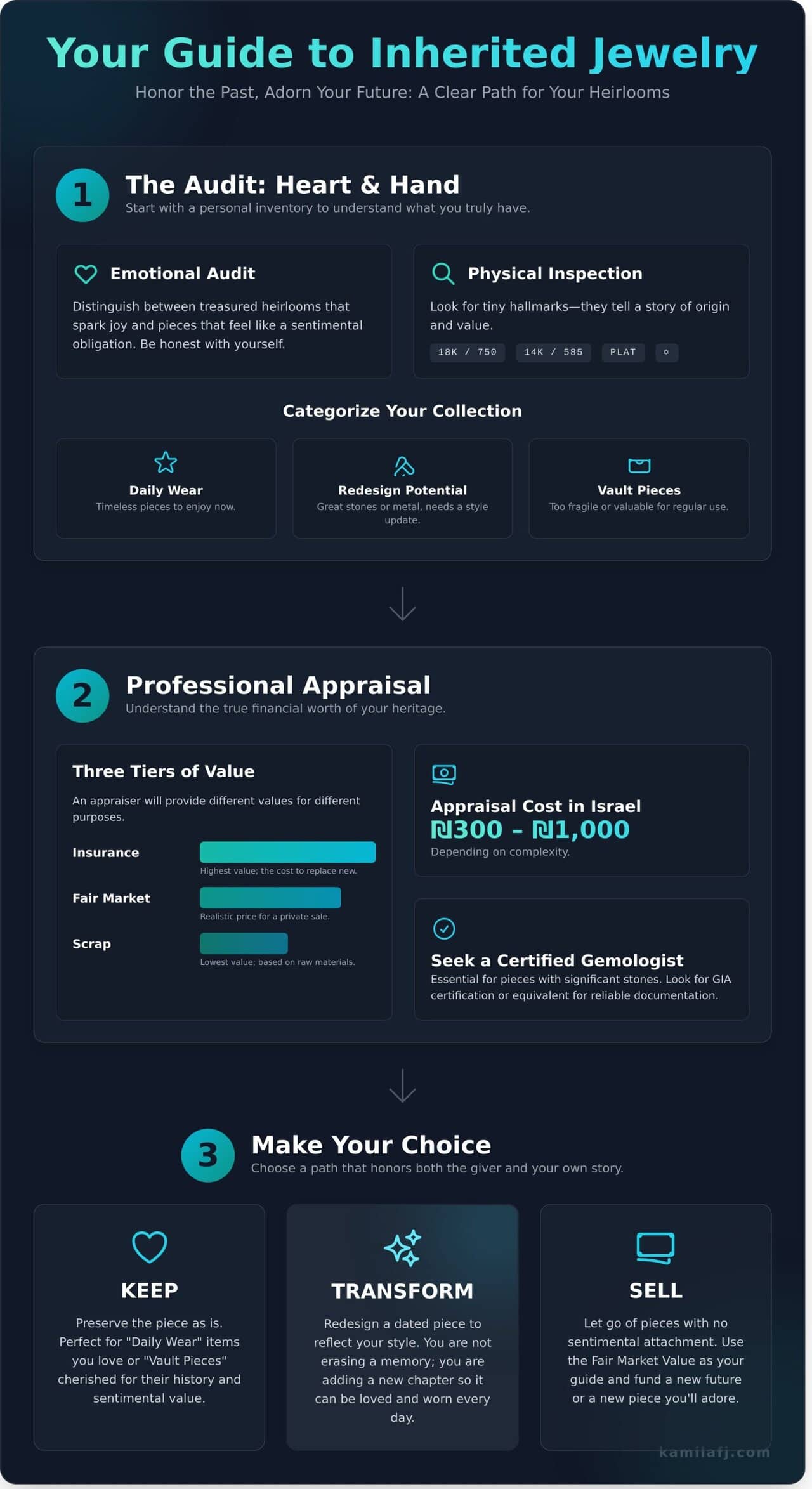
An inherited piece of jewelry is never just an object. It’s a legacy asset, a tangible piece of your family’s story that carries both emotional resonance and financial weight. A small velvet box can hold a lifetime of memories, making the question of what to do with inherited jewelry a deeply personal one. The first step isn’t a trip to the jeweler; it’s a quiet moment with the collection to perform an audit of the heart and the hand.
Begin with an emotional inventory. Lay each piece out. Which ones spark a genuine connection, a flicker of joy or a fond memory? Which ones feel heavy, tied to a style or a story that simply isn’t yours? Be honest. A precious item sitting unseen in a drawer for decades isn’t being honored; it’s being forgotten. Your goal is to separate the true talismans from the beautiful burdens.
Next, conduct a gentle physical inspection. With a magnifying glass or your phone’s camera, look for tiny inscriptions on the inside of rings, on clasps, or on earring posts. These are hallmarks that tell a story of origin and value.
- Purity Marks: Look for numbers like “750” or “18K” (indicating 75% pure gold), “585” or “14K” (58.5% pure gold), or “PLAT” for platinum. In Israel, you might also find a small Star of David stamp, the mark of the Standards Institution of Israel (SII) for gold purity.
- Designer Signatures: A designer’s name or a unique symbol can significantly increase a piece’s value beyond its raw materials.
A crucial word of caution: never clean old jewelry with harsh chemicals, toothpaste, or abrasive cloths before you know its composition. Delicate materials like pearls, opals, or emeralds can be permanently damaged by ammonia-based cleaners, while vintage pieces with delicate filigree can be easily broken. A simple wipe with a soft, lint-free cloth is all you should do for now.
Categorizing Your Collection
Sorting your pieces brings clarity. Create three simple groups: “Daily Wear,” for timeless items you can integrate into your life immediately; “Redesign Potential,” for pieces with beautiful stones or metal that need a modern touch; and “Vault Pieces,” which might be too fragile, valuable, or sentimental for regular use. Recognizing that a 1920s filigree ring is a delicate treasure to be worn on occasion, not a daily staple, helps manage expectations and preserve its integrity.
For those “Vault Pieces” that are too precious or delicate for daily wear, displaying them can be a beautiful way to honor their story. Turning a cherished brooch, locket, or even a pair of earrings into a piece of framed art keeps the memory visible and safe. Companies like Modern Memory Design specialize in creating these custom shadow boxes, transforming heirlooms into a tribute you can see every day.
The Psychology of Letting Go
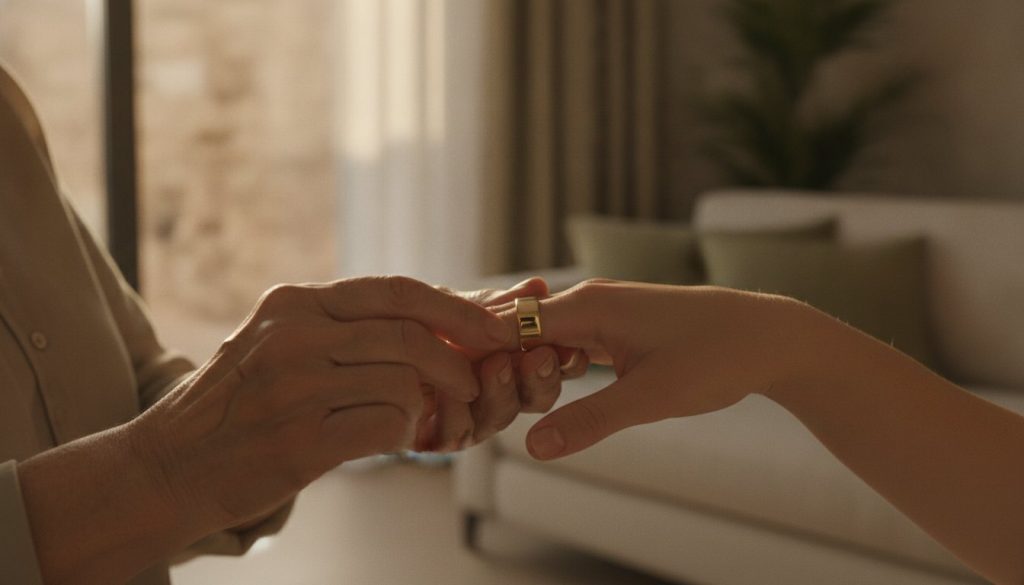
Deciding to change an inherited piece can bring a surprising wave of guilt. Reframe this feeling. You are not erasing a memory; you are adding a new chapter to its story. Transforming a grandmother’s brooch into a modern pendant you wear every day honors her memory far more than letting it tarnish in a box. When discussing this with family, focus on the celebration. Explain, “I want to carry this piece of our family with me in a way that feels like me, so it can be loved and seen every day.”
Professional Appraisal: Determining the True Value of Your Heritage
An inherited piece of jewelry holds a story, a whisper of the past crafted in gold and stone. Before you decide its future, your first step is to understand its present value. This isn’t just about money; it’s about honoring the legacy you’ve received. A professional appraisal provides the clarity needed to make an informed, heartfelt decision about what to do with inherited jewelry.
Not all valuations are the same. In Israel, an appraiser, who may charge between ₪300 and ₪1,000 depending on the piece’s complexity, will typically provide one of three figures:
- Insurance Appraisal: This is the highest value, representing the full retail cost to replace the item brand new. It’s essential for protecting the piece against loss or theft.
- Fair Market Value: This reflects what a willing buyer would pay a willing seller. It’s a more realistic figure for private sales or for equitably dividing an estate among heirs.
- Scrap Value: This is the base value of the raw materials-the gold, platinum, and gemstones-if they were to be melted down and sold separately. It’s the lowest valuation but a crucial baseline.
For pieces with significant stones, working with a certified gemologist is non-negotiable. Their expertise goes beyond a simple look; they can identify treatments, assess the unique characteristics of older gems, and provide the documentation you need. A professional jewelry appraisal from an expert uncovers the hidden narrative of your heirloom. Before you commit, ask the appraiser about their certifications (like from the GIA), their fee structure, and if the jewelry will remain in your sight during the evaluation.
Understanding the 4Cs in Heirloom Diamonds
Your grandmother’s engagement ring sparkles differently than a modern one, and for good reason. Vintage diamonds, like the chunky-faceted Old European or the softly glowing Rose Cut, were handcrafted for candlelight. Their “imperfections” and less symmetrical facets are signs of artisanal skill, not flaws. An appraiser will also carefully inspect the prongs and setting, as decades of love and wear can compromise their integrity.
The Gold Standard: Purity and Weight
Often, the intrinsic value of an heirloom lies in its precious metal. To calculate this, an appraiser uses a simple formula. For example, if you have a 10-gram 18K gold bracelet and the market rate for pure gold is ₪285 per gram (as of mid-2024), the calculation is: 10g x 0.75 (for 18K purity) x ₪285 = ₪2,137.50. This melt value is often the starting point. Look closely for tiny stamps, or hallmarks, which might indicate a piece from a historic designer, elevating its value far beyond its weight in gold.
This detailed knowledge transforms a box of inherited jewelry from a mystery into a tangible collection of assets and stories. It’s the essential foundation for deciding what to keep, what to sell, and what to reimagine. Once you understand a piece’s material and historical value, you can truly explore its future. Our artisans often find inspiration in these heritage details, helping you reimagine a piece for your own story.
The Modern Heirloom: Redesigning for Your Personal Story
An inherited piece of jewelry is never just an object. It’s a story, a memory, a tangible link to someone you love. But what happens when that story is trapped in a style that doesn’t feel like you? The most personal and rewarding answer to the question of what to do with inherited jewelry is often to transform it. This is the KaMila approach: blending the timeless artistry of the original piece with an edgy, modern sophistication that reflects your personal narrative. It’s about creating a new heirloom, born from the old.
The journey begins by preserving the soul of the jewelry: the gemstones. A skilled goldsmith can carefully extract diamonds, emeralds, and other precious stones from their settings, freeing them for a new life. This process, which can cost between ₪250-₪400 per stone in Israel depending on the setting’s complexity, allows you to hold onto the most valuable part of your inheritance.
When it comes to the metal, you have a choice. Melting down the original gold to use in your new piece is a beautifully sentimental idea. However, it’s often not the most practical path. Decades-old gold can contain solders and impurities that compromise the integrity of a new design. For this reason, over 90% of jewelers in Tel Aviv and Ramat Gan will recommend a more stable option: they will credit you for the scrap value of the old gold (at a market rate of approximately ₪230 per gram for 14K gold as of early 2024) and use a fresh, perfectly alloyed batch of 18K gold for your new creation. This ensures a flawless, durable finish for a piece you’ll wear for a lifetime.
The result isn’t just a new ring or necklace. It’s a modern talisman. By keeping the original stones, you carry your family’s history with you, but you re-cast it in a form that celebrates who you are today.
The Custom Design Journey
Transforming an heirloom starts with your vision. The process is a collaboration, moving from a shared story and initial sketches to a precise 3D rendering that shows you exactly how your new piece will look. Minimalist design is a powerful tool here. A clean bezel or a delicate prong setting can make a bulky, vintage stone feel fresh, light, and perfectly suited for daily wear. It’s about letting the stone’s history shine in a contemporary context.
Case Study: A client recently brought us her grandmother’s heavy 1970s brooch. While she cherished the 1.5-carat old mine cut diamond at its center, the piece itself sat unworn in a box. We carefully removed the diamond and designed a delicate, low-profile pendant in 18K rose gold. The project, costing approximately ₪4,800 for the new handcrafted setting and labor, turned a forgotten relic into her signature everyday necklace.
Incorporating Modern Elements
Redesigning offers a chance to update and amplify the beauty of your heirloom stones. One popular and sustainable approach is to mix generations. We can create a stunning halo or add side stones to your inherited natural diamond using brilliant, ethically sourced lab-grown diamonds. This achieves a fuller, more radiant look for 40-60% less than the cost of newly mined natural diamonds.
A simple change in metal can also completely redefine a piece. That diamond from a classic yellow gold ring can find a new, modern edge in gleaming white gold or a warm, romantic rose gold. It’s about finding the hue that best complements your skin tone and your style. Ultimately, repurposed jewelry is the ultimate sustainable luxury choice, transforming the sentimental value of the past into a timeless design for your future.
Styling and Integration: Making Every Day Feel Special
An inherited piece of jewelry is more than just gold and gemstones; it’s a tangible piece of your story. But these treasures aren’t meant to live in a velvet-lined box, saved for an occasion that never arrives. The most meaningful answer to the question of what to do with inherited jewelry is to weave it into the fabric of your daily life. It’s about embodying our philosophy of “You, in Gold,” where timeless heirlooms and modern designs merge to celebrate the woman you are today.
Adorning yourself with these pieces transforms them from relics of the past into living talismans. It’s a quiet celebration, a way to carry your heritage with grace and edgy sophistication. Let’s explore how to make these heirlooms a signature part of your personal style.
The Art of the Jewelry Stack
Creating a personal jewelry stack is an art form. It’s a curated collection that tells your unique story. Don’t be afraid to mix the old with the new. A vintage Edwardian locket from your great-grandmother looks stunning layered with two modern, minimalist gold chains of varying lengths. Balance a bold, inherited cocktail ring by wearing it on your index finger and keeping the rest of your hand simple with delicate, barely-there bands.
- Mix Your Metals: The old rule of not mixing gold and platinum is officially outdated. In fact, over 70% of top stylists featured in 2023 fashion editorials now embrace a mixed-metal aesthetic. The key is intention. A warm, 18K yellow gold family bangle paired with a cool, sleek platinum tennis bracelet creates a dynamic, modern look on your wrist.
- Balance Statement with Simplicity: If you’re wearing your grandmother’s ornate chandelier earrings, let them be the star. Pair them with a simple, handcrafted stud or cuff in your second piercing to create a look that feels both curated and effortlessly chic.
- Create a Story on Your Wrist: Combine an inherited gold watch with a modern beaded bracelet and a delicate chain. Each piece represents a different chapter, creating a rich narrative that is uniquely yours.
If your inherited piece feels lonely or needs a contemporary partner to truly shine, let us help. A perfectly chosen modern piece can unlock an heirloom’s potential. Explore our collection of minimalist gold chains and handcrafted rings to build your perfect, personal stack.
Preserving for the Future
Wearing your jewelry means giving it life, but it also requires mindful care to ensure it lasts for generations to come. Preserving these pieces is an act of love. Knowing what to do with inherited jewelry also means knowing how to protect it.
For at-home cleaning of 18K gold and hard stones like diamonds or sapphires, a gentle bath is best. Mix a few drops of mild, phosphate-free dish soap into a bowl of warm water. Let the piece soak for 15-20 minutes, then gently scrub with a soft-bristled baby toothbrush. Rinse with clean water and pat dry with a lint-free cloth. Avoid harsh chemicals, which can damage porous stones like pearls or opals.
Proper storage is just as critical. Diamonds have a Mohs hardness of 10, while 18K gold is only a 2.5-3. This means a diamond ring can easily scratch a gold bangle if they are stored together. Keep pieces in separate soft pouches or in a jewelry box with individual, fabric-lined compartments. For high-value rings, especially those with prominent stones, a professional prong check every 6 to 12 months is essential. A local jeweler in Tel Aviv might charge between ₪50-₪100 for this quick inspection, a tiny investment to secure a priceless connection to your past.
Making Your Choice: Keep, Sell, or Transform?
You’ve navigated the emotional and practical steps of assessing your inherited pieces. Now, you face the most personal question: what to do with inherited jewelry that carries so much history? The answer isn’t about right or wrong; it’s about finding the path that best honors the past while celebrating your present. Your decision rests on a simple, elegant balance: the piece’s sentimental value versus its wearability in your life today.
If a piece feels like a cherished memory you can hold, but its style feels alien to you, it will likely remain in a box. Conversely, if it holds little emotional connection, it’s a dormant asset. The most beautiful solution is one that brings the story and the sparkle out into the light.
Selling is a perfectly valid and practical choice, especially if the jewelry has significant monetary value but little personal resonance. Selling a dated brooch for ₪12,000 could fund a modern, handcrafted ring that you’ll wear and love every single day. It’s a way of transforming a piece’s financial value into personal joy and daily expression.
However, the option that resonates most deeply with modern, conscious consumers is transformation. Redesigning an inherited piece is the ultimate act of sustainable luxury. It preserves the precious materials and, more importantly, the emotional lineage. You aren’t erasing the story; you are becoming the next chapter. This is why over 70% of our clients who inherit jewelry choose to give it a new life, creating a modern heirloom that is both a tribute and a personal talisman.
The Investment Value of Fine Jewelry
Fine jewelry is more than just beautiful; it’s a tangible asset. In Israel, the value of 18K gold has increased by over 60% in the last decade, from approximately ₪170 per gram in 2014 to over ₪280 in 2024, making it a powerful hedge against inflation. Selling for cash often yields only a fraction of this material value. Redesigning, however, retains that inherent worth while adding the priceless emotional ROI of wearing a piece that connects you to your family’s story every day.
Managing tangible assets effectively is key, whether it’s personal heirlooms or shared family properties. For the latter, modern solutions can make a significant difference; you can learn more about Build App and how it streamlines the process.
Starting Your Custom Story
Beginning the transformation process is a creative and celebratory experience. It’s a conversation, not a commitment. To make the most of your initial design consultation, we recommend you bring a few things:
- The inherited jewelry you wish to transform.
- Any inspiration you’ve gathered-photos, sketches, or even just ideas.
- A general sense of your personal style and how you envision wearing the new piece.
Setting a budget is also a key step. A simple gemstone reset into a new ring might start around ₪2,500, while a more intricate design using multiple inherited pieces could range from ₪7,000 to ₪15,000 or more, depending on the complexity and any new materials needed. We work transparently with you to create artistry that honors both your story and your budget.
Your family’s legacy deserves to be worn and celebrated. Transform your inherited jewelry into a modern masterpiece with KaMila and let your story shine.
Transform Your Heritage into Your Story
Deciding what to do with inherited jewelry is a deeply personal process, a blend of memory and modern style. The journey often begins with a professional appraisal to understand a piece’s true value, a service which can cost between ₪200 and ₪600 per item in Israel. From there, you have the power to decide how that legacy will become a part of your own narrative, whether you choose to preserve it, sell it, or transform it into something new.
A redesign isn’t about erasing history; it’s about continuing the story with artistry and intention. At KaMila, our bespoke custom design service specializes in just that. We blend timeless sentiment with edgy sophistication, using handcrafted techniques with 18K gold and sustainable lab-grown diamonds to create a modern heirloom that is uniquely you. It’s jewelry that makes every day feel special.
Ready to explore the possibilities? Start your journey to a modern heirloom and consult with KaMila today. Your story is waiting to be told, in gold.
Frequently Asked Questions
Is it disrespectful to redesign inherited jewelry?
No, redesigning inherited jewelry is a beautiful way to honor a memory. It transforms a piece that might not suit your personal style into a modern talisman you’ll wear and cherish every day. Instead of being kept in a box, the story of the piece continues with you. This act of reimagining celebrates its emotional legacy by giving it a vibrant new life, making it a true reflection of you, in gold.
How much does it cost to reset an inherited diamond?
Resetting an inherited diamond in Israel typically costs between ₪1,800 and ₪5,500 for a simple, handcrafted gold or platinum setting. The final price depends on the complexity of the new design, your choice of metal (like 14k vs. 18k gold), and whether any additional small stones are added. A more intricate, custom-designed piece will naturally be at the higher end of this range, reflecting the unique artistry involved in its creation.
Can I melt down my old gold to make a new ring?
Yes, you can absolutely melt down old gold to create a new, deeply personal ring. This process, known as recasting, is a sustainable and meaningful way to preserve the sentiment of an heirloom. A skilled artisan can refine the original metal and use it to handcraft a fresh, modern design that tells your story. It’s a powerful way to carry the essence of the past into a piece you’ll love for years to come.
What is the best way to sell inherited jewelry if I don’t want it?
The best way to sell inherited jewelry in Israel is through a certified gemologist or a reputable, trusted jeweler, especially those connected to the diamond exchange in Ramat Gan. This ensures you get a fair market price. You can typically expect to receive 25-50% of its appraised retail value. For exceptionally rare or high-value pieces, a specialized auction house might be a better option, though they charge a commission of around 15-25%.
How do I know if the jewelry I inherited is real gold or costume?
You can identify real gold by looking for a small hallmark stamp, usually on the clasp or inside the band. In Israel and Europe, you’ll often see “750” for 18k gold or “585” for 14k gold. Real gold is also not magnetic and won’t leave green or black marks on your skin. For a definitive confirmation, a professional jeweler can perform a quick and inexpensive acid test to verify its authenticity in minutes.
Can I add lab-grown diamonds to an inherited natural diamond piece?
Of course. Adding lab-grown diamonds to a piece with a natural diamond is a wonderful way to blend heritage with modern, ethical values. Since lab-grown and natural diamonds are chemically and visually identical, they pair together seamlessly. This allows you to enhance your heirloom with additional sparkle in a sustainable way, creating a unique design that honors both its history and your contemporary consciousness. It’s a perfect fusion of timeless and forward-thinking.
Should I get inherited jewelry appraised before or after cleaning it?
You should always have inherited jewelry professionally cleaned *before* it’s appraised. A thorough, gentle cleaning removes any buildup of dirt or oils, allowing the appraiser to accurately assess the gemstone’s true color, clarity, and overall condition. This ensures the most precise and fair valuation. Most professional jewelers in Israel offer this service for a nominal fee, often between ₪50 and ₪100, and it is essential for an accurate report.
What happens if I inherit a piece that is broken or damaged?
A broken or damaged piece presents a beautiful opportunity for renewal. When deciding what to do with inherited jewelry that isn’t in perfect condition, a skilled jeweler can often perform a seamless repair. A simple fix like a broken chain or a loose prong can cost as little as ₪150. For more extensive damage, the gemstones and precious metal can be salvaged and artfully repurposed into a completely new, custom design that you’ll adore.
Related Posts
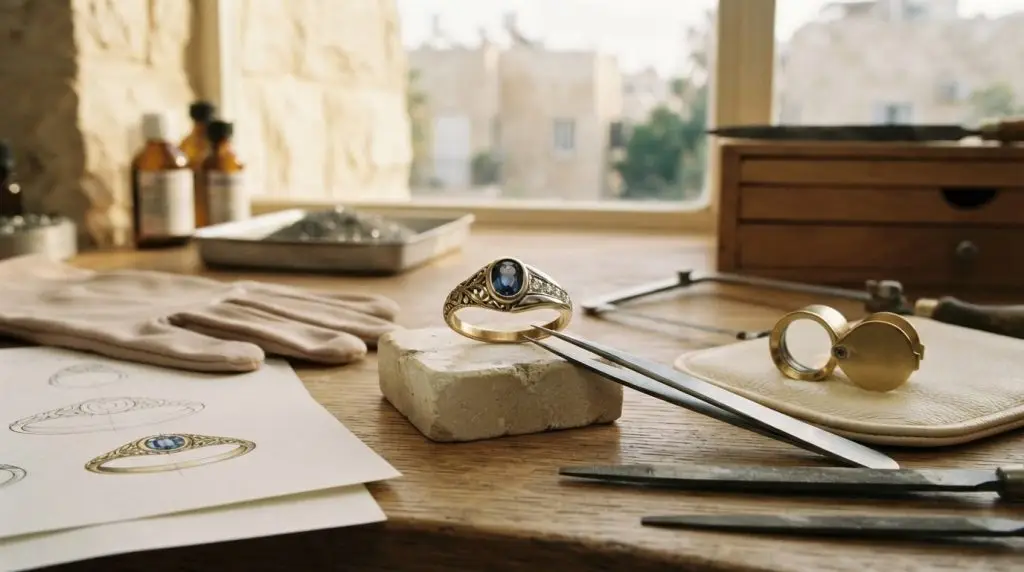
Modernizing a Vintage Jewelry Piece in Tel Aviv: A Thoughtful Guide
-
Posted by
מילה קלר
What if the best update to an heirloom is a small change that lets its story shine? If you’re searching for “modernizing a vintage jewelry piece Tel…
Repurposing Heirloom Stones into Modern Custom Jewelry: The Complete 2026 Guide
-
Posted by
What if keeping an inherited ring tucked away in a dark jewelry box isn’t protecting your family history, but silencing it? It’s completely natural…
How to Give Constructive Feedback on a Jewelry Design: A Client’s Guide
-
Posted by
What if telling your jeweler you dislike a detail isn’t an insult, but the exact spark they need to craft your dream heirloom? When you first open…

15 Essential Questions to Ask a Jeweler Before They Start Designing Your Piece
-
Posted by
You’ve spent months dreaming of a piece that captures your unique story, but as the jeweler picks up their pencil, a flicker of anxiety often sets…
Custom 18k Gold Jewelry in Israel: A Guide to Creating Modern Heirlooms
-
Posted by
Most jewelry in local boutiques stops at 14-karat gold, but a true modern heirloom requires the deep, buttery glow that only 18-karat purity can…
Custom Gold Necklace Israel: Designing Modern 18k Gold Heirlooms
-
Posted by
Why does so much jewelry today feel like a fleeting trend instead of a permanent part of your story? You’ve likely experienced the frustration of a…
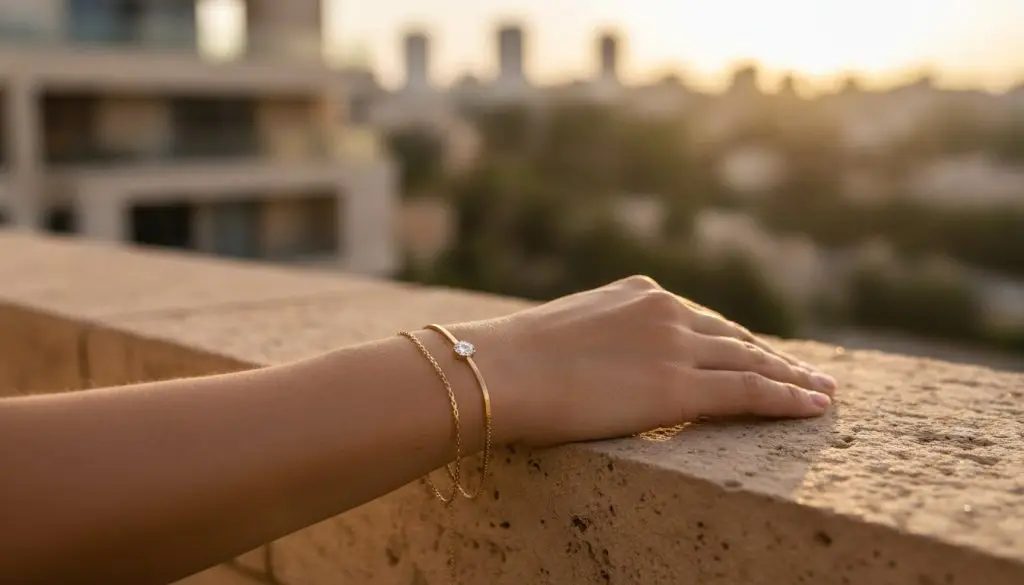
Custom Gold Bracelets in Israel: A Guide to Creating Your Modern Heirloom
-
Posted by
Why should the most intimate piece of jewelry you own look exactly like the one sitting in every other mall window? When searching for custom gold…
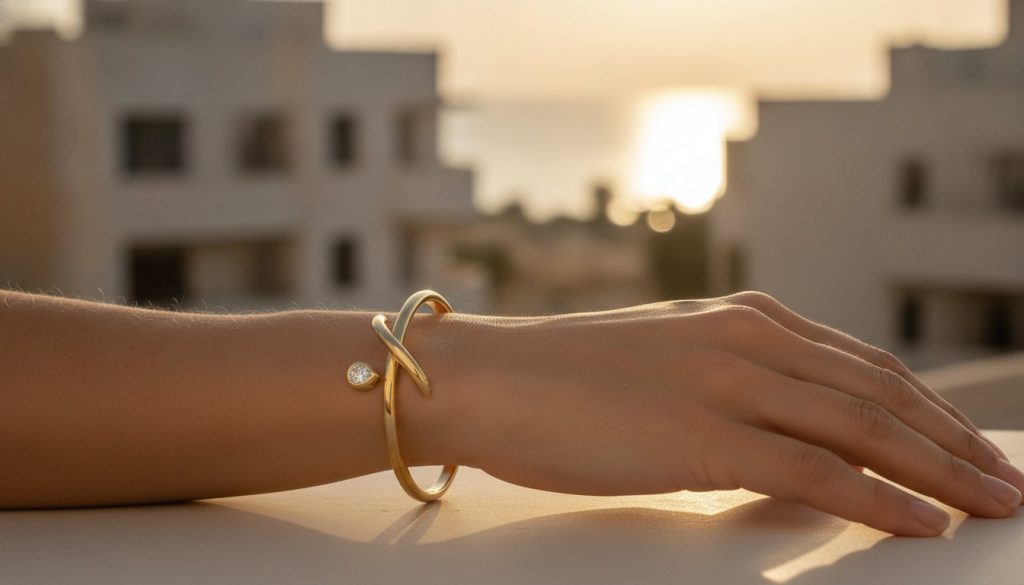
Crafting Your Narrative: The Ultimate Guide to Custom Gold Bracelets in 2026
-
Posted by
Why settle for a piece of jewelry that tells someone else’s story when your own life is the most compelling narrative you own? You’ve likely felt the…
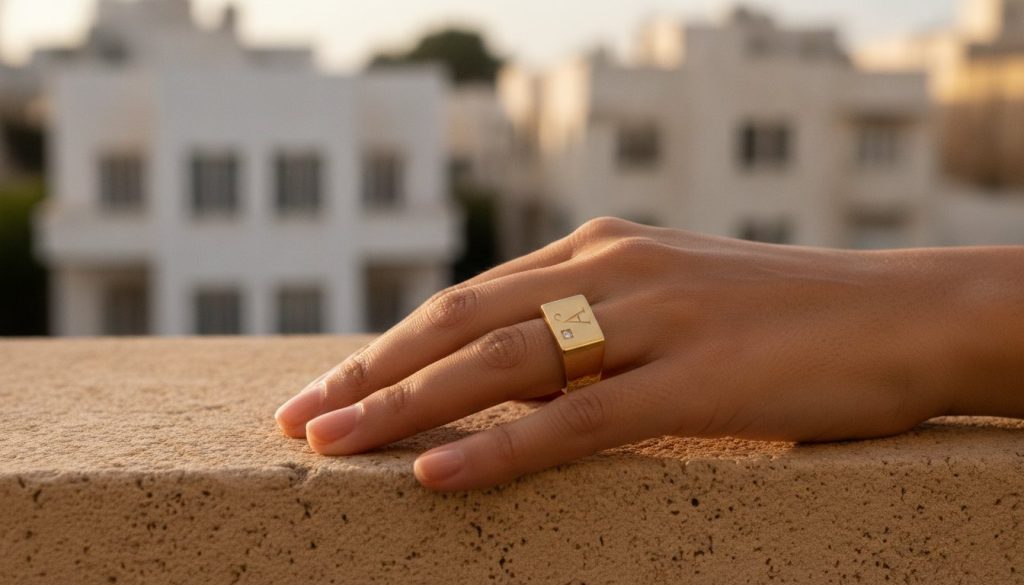
The Modern Custom Initial Ring: A Guide to Choosing Your Signature Heirloom
-
Posted by
A single letter can carry the weight of an entire legacy when it’s crafted with the right intention. You likely want a piece of jewelry that feels…
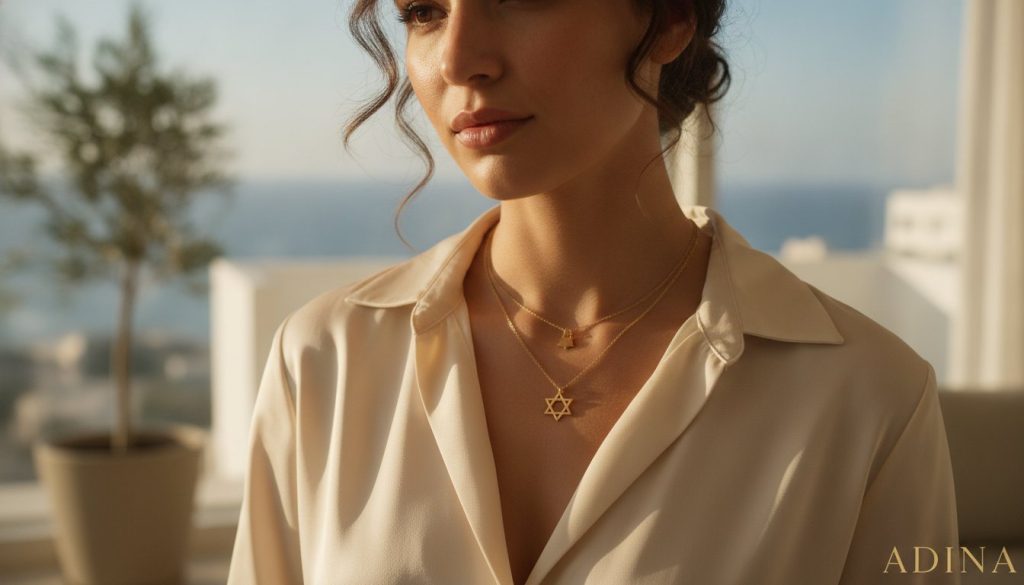
18k Gold Star of David Necklace: A Guide to Modern Heirlooms & Meaning
-
Posted by
Can a symbol with thousands of years of history truly reflect a modern, minimalist aesthetic? For many, traditional jewelry feels a bit too heavy or…
Using Heirloom Stones in Custom Jewelry: A Guide to Modernizing Heritage
-
Posted by
Imagine holding a velvet box that contains a piece of your family’s heart. The gemstone inside carries decades of stories, yet the heavy, dated…
Investing in Heirloom Quality Jewelry: A Guide to Modern Heritage Pieces
-
Posted by
Imagine your granddaughter opening a velvet box fifty years from today and finding a ring that looks just as radiant as the day you first slipped it…