
Blog
Buying Jewelry for Investment Purposes: A Guide to Modern Heirlooms
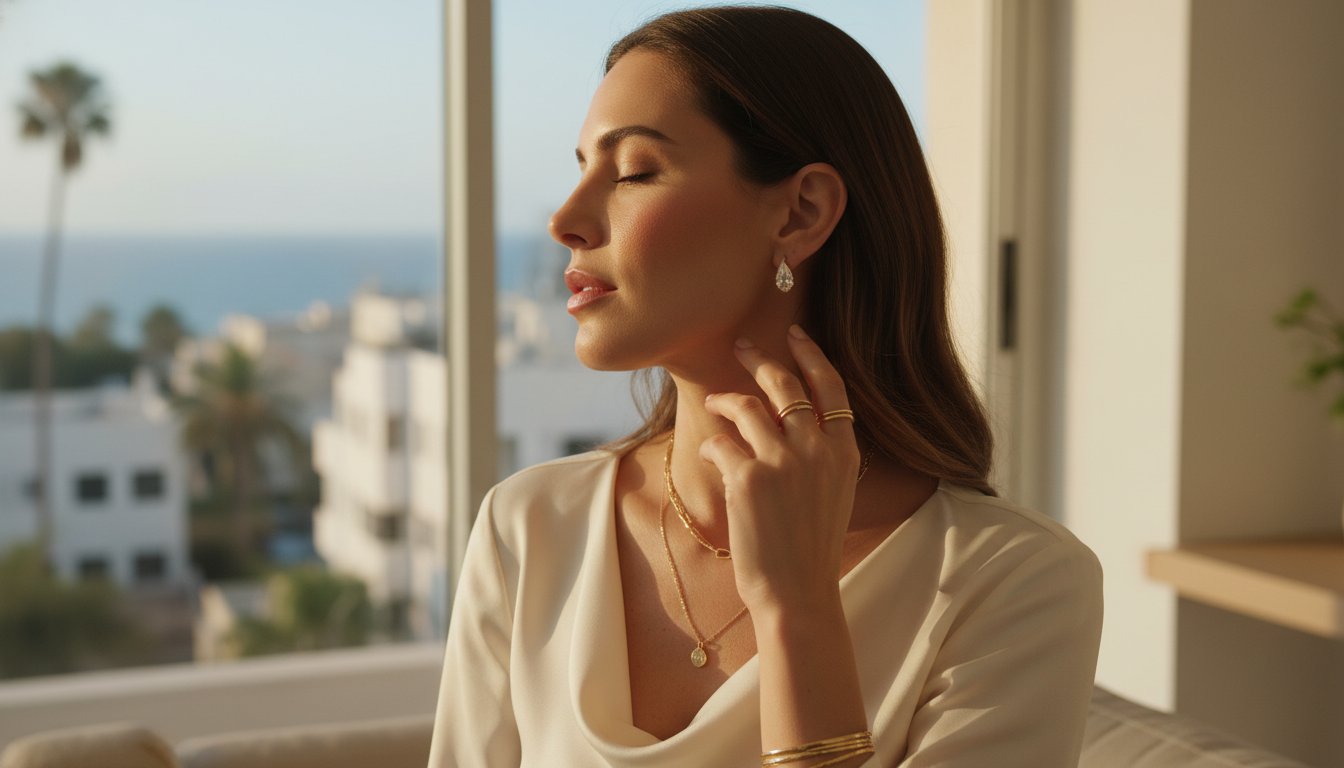
Could your favorite 18k gold necklace actually be a more strategic asset than a stack of bank statements? While many view high-end pieces as pure indulgence, buying jewelry for investment purposes is a sophisticated way to wear your wealth. It’s a shift from seeing jewelry as a mere accessory to viewing it as a modern heirloom that balances artistry with tangible value.
You likely already know that a piece of jewelry is an intimate celebration of your story, yet the fear of high retail markups or the confusion over lab-grown resale values can make any purchase feel like a gamble. You deserve to feel as confident in the financial integrity of your collection as you do in its beauty. Read on to discover how to curate a fine jewelry collection that balances financial value with personal meaning and timeless artistry. We’re diving into the differences between bullion and fine jewelry, the importance of 18k gold standards in the Israeli market, and how to choose lab-grown diamonds that serve as ethical, lasting talismans.
Key Takeaways
- Discover how to balance the market value of gold in ₪ with the unique artistry that defines a modern, wearable investment.
- Learn why 18k gold is the essential standard when buying jewelry for investment purposes, ensuring your pieces retain both beauty and worth.
- Understand the power of the “Maker’s Mark” and why handcrafted, small-batch provenance offers greater long-term value than mass-market luxury.
- Master the art of the “Modern Heirloom” by choosing minimalist staples that offer a high emotional ROI and timeless sophistication.
- Identify the critical certification and Israeli hallmarking steps needed to verify the authenticity and financial security of your fine jewelry collection.
Understanding Jewelry as an Asset Class in 2026
Fine jewelry represents a unique intersection of raw financial value and personal storytelling. Unlike a digital stock or a bulky piece of real estate, a gold ring or a diamond necklace serves as a moveable asset. It carries your wealth wherever you go. In 2026, the global market has shifted toward “portable luxury,” where investors prioritize items that offer both aesthetic joy and material security. When buying jewelry for investment purposes, you aren’t just purchasing a beautiful object; you’re securing a piece of history that retains value even when traditional markets fluctuate.
The distinction between bullion and wearable fine jewelry is significant. Gold bars are functional but sterile. They live in safes. Fine jewelry is designed to be lived in. It celebrates your identity while acting as a hedge against inflation. Historical data shows that gold prices in Israel have seen steady growth over the last decade. For instance, the appreciation of gold as an asset has historically provided a safety net during periods of geopolitical tension. Understanding gold as an investment helps clarify why the material purity of your jewelry acts as a financial floor for your collection. While bullion follows the spot price exactly, jewelry adds a layer of collectible artistry that can appreciate independently of the metal’s weight.
Intrinsic Value vs. Market Value
Every piece of jewelry has a baseline value determined by the current spot price of precious metals and gemstones. In the Israeli market, this is often calculated per gram of 14k or 18k gold, with prices frequently updated in ₪ (ILS) to reflect global exchange rates. However, the total worth of a modern heirloom includes the artistry and craftsmanship involved. A handcrafted piece from a specialized studio often commands a higher secondary market price than mass-produced items. Brand prestige and the use of ethically sourced materials, such as lab-grown diamonds, also influence the piece’s long-term desirability among a new generation of conscious collectors.
The Liquidity Factor: Selling Your Investment
Material Matters: Gold Purity and the Diamond Debate
The foundation of any enduring collection lies in the raw materials. When you’re buying jewelry for investment purposes, the intrinsic value of the metal and the market demand for the stones dictate your long-term success. In the Israeli market, where gold has historically served as a hedge against inflation, choosing the right purity and stone type determines whether a piece is a simple accessory or a portable asset.
The 18k Gold Standard
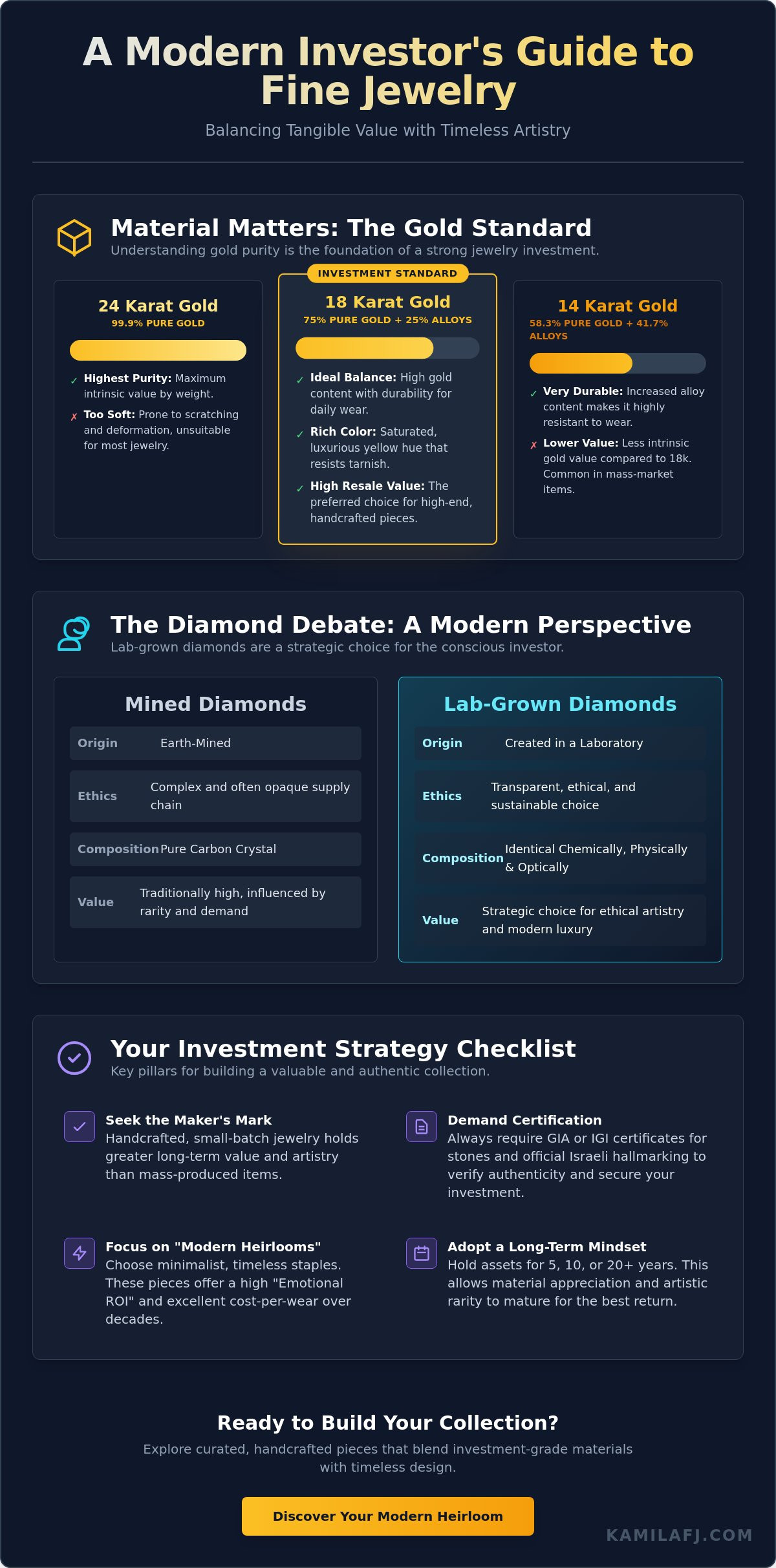
18k gold is 75% pure gold mixed with durable alloys. While 14k gold is popular for mass-market pieces due to its lower price point, 18k gold is the preferred choice for high-end, handcrafted rings and bracelets. It offers a richer, more saturated yellow hue that doesn’t tarnish as easily as lower-karat options. 24k gold, while 99.9% pure, is generally too soft for intricate designs, making it prone to scratching and deforming over time.
When seeking expert advice on jewelry investment, specialists highlight that 18k gold strikes the perfect balance between high precious metal content and the structural integrity needed for daily wear. Yellow gold remains the classic choice for resale, but white gold (often plated in rhodium) and rose gold (alloyed with copper) have seen a 15% rise in demand among Israeli collectors over the last three years. This shift reflects a move toward “modern heirlooms” that blend traditional value with contemporary aesthetics.
The Evolution of Lab-Grown Diamonds
The 2026 resale landscape has shifted significantly as sustainable luxury becomes a priority for conscious investors. Lab-grown diamonds are no longer just a trend; they’re a strategic choice for those who value ethical artistry. These stones are chemically, physically, and optically identical to mined diamonds, yet they offer a more transparent supply chain. For many investors, the ability to purchase a larger, higher-quality stone for the same amount of Israeli Shekels (ILS) is a compelling proposition.
Resale values for lab diamonds have stabilized in 2026. While natural diamonds still command a premium for their geological rarity, high-quality lab diamonds over 2.0 carats are increasingly accepted by boutique resellers and trade-in programs. If you want to understand the technical nuances, explore our Lab Diamonds: The Complete Guide to Brilliance with a Conscience. Beyond diamonds, the origin of colored gemstones also impacts value. Ethically sourced emeralds or sapphires with certified provenance can command a 20% premium over stones of unknown origin, as modern buyers demand accountability.
Investing in fine jewelry is about more than just numbers; it’s about finding pieces that resonate with your personal journey. You can start building your portfolio by exploring our collection of handcrafted 18k gold designs that celebrate both artistry and integrity.
The Modern Heirloom: Emotional ROI and Cost Per Wear
Investing in fine jewelry shouldn’t mean locking precious pieces in a dark bank vault. True value comes from “Emotional ROI,” the psychological benefit of wearing something that makes you feel powerful and graceful every single day. When you’re buying jewelry for investment purposes, the goal is to find the intersection between market resale potential and personal utility. A piece that sits in a drawer has zero utility value. A piece that completes your identity becomes a part of your life’s narrative.
The “Cost per Wear” formula is a practical way to justify these high-quality purchases. To calculate this, take the total price of the item and divide it by the number of times you expect to wear it over a decade. For example, if you invest ₪8,500 in a solid 18k gold bracelet and wear it every day for five years, the cost is roughly ₪4.60 per day. This is less than the price of a daily coffee in Tel Aviv, yet the gold retains its intrinsic value while the coffee is gone in minutes. High-quality materials like 18k gold and lab-grown diamonds ensure the piece survives this daily wear without losing its luster or structural integrity.
Custom-designed jewelry often carries a significant premium in the long term. While mass-produced items are tied strictly to the spot price of gold, a custom piece is a unique work of art. Future collectors and vintage markets prioritize craftsmanship and “one-of-a-kind” status over generic molds. An artisan-crafted piece represents a specific moment in design history, making it more desirable for those seeking something beyond the ordinary.
Jewelry That Tells Your Story
Fine jewelry often transitions from a simple accessory to a personal talisman. These pieces carry memories, milestones, and intentions. Meaningful items like signet rings or engraved pendants hold their value through generations because they’re built on sentiment. If you’re looking for a piece that anchors your personal history, explore this Engagement Rings: The Complete Guide to Finding a Ring That Tells Your Story to understand how design reflects your inner world.
Minimalism as a Value Strategy
Simple, elegant designs are significantly easier to resell than trend-heavy, “loud” pieces. Minimalism isn’t just an aesthetic choice; it’s a financial one. A classic 18k gold band or a pair of understated diamond studs will be as fashionable in 2045 as they are today. To learn how to build a collection that stays relevant across changing fashion cycles, see our guide on Styling Fine Jewelry: How to Curate a Look That’s Uniquely You. Choosing “quiet luxury” ensures your investment remains liquid and timeless.
A Strategy for Building Your Jewelry Collection
Building a collection requires patience and a discerning eye. Start with high-quality gold staples. These are your foundational pieces. Think 14k or 18k solid gold chains and minimalist bands that feel like a second skin. In Israel, the price of gold follows global market trends but is traded locally in ILS. Gold prices have seen a 15% increase in the past 12 months. This makes these foundational pieces a solid start. When buying jewelry for investment purposes, you’re looking for items that balance liquid value with artistic appeal. Buying jewelry for investment purposes isn’t just about weight; it’s about the artistry that makes a piece desirable for decades.
Focus on timeless designs over fleeting trends. A classic gold hoop or a solitaire diamond ring remains in demand regardless of the season. By selecting pieces with broad appeal, you ensure a wider pool of potential buyers in the future. Consider the emotional weight of your choices as well. Every piece should be a talisman of a specific moment or achievement. This connection ensures you’ll cherish the item even as its market value fluctuates.
Diversifying your pieces across categories protects your portfolio. A mix of rings, necklaces, and bracelets ensures you aren’t over-exposed to a single style. Each category serves a different purpose. Rings are often more prone to wear, while necklaces and earrings tend to maintain their condition longer. This balance helps protect the overall value of your modern heirlooms.
Verification and Hallmarking
Every gold piece sold in Israel must be hallmarked by the Standards Institution of Israel (SII). Look for the tiny harp or tower stamp to certify purity. For major gemstones, GIA or IGI certificates are non-negotiable. They detail the 4Cs and ensure stone quality. Independent appraisals are vital for insurance. Most Israeli providers require updates every 24 months to reflect current market values in ₪. This documentation protects your investment’s resale potential.
Caring for Your Wearable Assets
Maintaining your assets through consistent care preserves their resale value. Clean gold and diamonds at home with warm water and mild soap. Avoid harsh chemicals that dull the metal. Professional inspections every six months are crucial for checking stone settings. Store pieces in separate soft pouches to prevent scratches. This care prevents metal degradation and keeps your jewelry looking pristine. Your pieces are wearable legacies that deserve careful handling to maintain their financial and emotional worth.
Why Handcrafted Artisan Jewelry is a Smarter Investment
Mass-produced jewelry often carries a retail markup of 300% or more, meaning the resale value drops the moment you leave the store. When buying jewelry for investment purposes, scarcity is your most reliable ally. Small-batch artisan pieces are produced in limited quantities, often fewer than 10 or 20 units per design. This rarity creates a secondary market demand that generic brands simply can’t match. In the Israeli market, where the Standards Institution of Israel (SII) strictly regulates gold purity, a handcrafted piece from a reputable studio carries a verified guarantee of quality that collectors and investors value.
The “Maker’s Mark” serves as a signature of provenance. It transforms a simple gold object into a documented work of art. This artisanal history adds a layer of value beyond the spot price of gold, as the piece becomes a collectible item. Investors who focus on craftsmanship benefit from:
- Lower depreciation: Artisan pieces don’t suffer from the high overhead costs of global retail chains.
- Material integrity: Handcrafted studios often prioritize higher-grade alloys and superior stone settings.
- Cultural value: Jewelry that reflects specific regional artistry, like Israeli gold work, often appreciates as the designer’s reputation grows.
The KaMila Difference
We focus exclusively on 18k gold because it offers the ideal balance of purity and durability. While 24k is too soft for daily wear, 18k gold holds its shape and value over decades of use. We pair this with sustainable lab-grown diamonds, which offer the same physical and chemical properties as mined stones but at a price point that allows for larger, more impressive investment pieces. Our gold bracelets are designed with this philosophy in mind. They aren’t just accessories; they’re “You, in Gold.” This personal connection ensures the piece remains a cherished heirloom, maintaining its emotional and financial worth within the family for generations.
Investing in Custom Design
Bespoke jewelry is a strategic hedge against market genericness. When you create a one-of-a-kind piece, you bypass the traditional retail depreciation associated with “off-the-shelf” items. The value is rooted in the specific weight of the 18k gold and the unique artistry that can’t be replicated or mass-produced. Our process involves direct collaboration, ensuring every gram of gold and every stone serves your specific vision. You’re not just buying jewelry for investment purposes; you’re commissioning a legacy that stands apart from volatile fashion trends. Explore our custom design services to create your next heirloom and start your journey into meaningful, wearable luxury.
Start Building Your Wearable Portfolio Today
The landscape of 2026 treats fine jewelry as a sophisticated asset class that blends artistic expression with financial prudence. Data from the 2024 Knight Frank Luxury Investment Index highlights that jewelry has seen a 37% price increase over the past decade, proving its resilience as a tangible store of wealth. By focusing on high-purity 18k gold and the ethical clarity of lab-grown diamonds, you’re making a choice that respects both the planet and your future security. These pieces aren’t just for safe-deposit boxes; they’re designed for a high emotional ROI through daily wear.
At KaMila, we bridge the gap between traditional craftsmanship and modern values. Every piece is meticulously handcrafted in Israel using 18k gold. We specialize in sustainable lab-grown diamonds that offer identical chemical properties to mined stones. Whether you’re selecting a signature piece or utilizing our personalized custom design services, buying jewelry for investment purposes becomes a deeply personal journey of storytelling and legacy.
Discover Investment-Grade 18k Gold Jewelry at KaMila
Your collection is a reflection of your power and your story. It’s time to invest in pieces that shine as brightly as your future.
Frequently Asked Questions
Is jewelry a better investment than gold bars?
Gold bars offer higher liquidity and lower premiums than finished jewelry. When buying jewelry for investment purposes, you’re paying for artistry and the 17% VAT applicable in Israel. While a gold bar is 99.9% pure bullion, jewelry is a lifestyle asset. It’s meant to be worn and enjoyed while the 18k or 14k gold content acts as a long term financial safety net.
Does 18k gold hold its value over time?
18k gold retains its intrinsic value because it contains 75% pure gold. It’s a standard for fine craftsmanship that balances durability with high precious metal content. In the last decade, gold prices have seen a steady upward trend on the global market. Choosing 18k pieces ensures your modern heirloom remains a tangible asset that can be liquidated at the current market rate for scrap gold if needed.
Are lab-grown diamonds a good investment in 2026?
Lab grown diamonds are a beautiful, ethical choice for jewelry, but they aren’t traditional financial investments for 2026. Their market price has dropped by over 70% since 2018 due to increased production efficiency. You should choose them for their sustainability and brilliance. If you’re buying jewelry for investment purposes specifically, natural diamonds with GIA certification still command a much higher resale price in the Israeli second hand market.
How much of a jewelry piece’s price is just the brand name?
Brand markups at major international luxury houses can account for 50% to 400% of the final retail price. You’re often paying for global marketing campaigns and prestigious packaging. Local Israeli artisans provide a more transparent alternative. By choosing a local designer, more of your ₪5,000 or ₪10,000 spend goes directly into the weight of the gold and the quality of the stones rather than a corporate logo.
What type of jewelry has the highest resale value?
Heavy 18k gold chains and pieces featuring GIA certified natural diamonds typically offer the highest resale value. These items are valued based on the daily gold fix and standardized diamond grading. In Israel, classic designs like the tennis bracelet or a solitaire ring remain in high demand. These pieces often retain 60% to 80% of their original value in the secondary market, excluding the initial VAT payment.
Should I buy vintage or new jewelry for investment?
Vintage jewelry allows you to skip the initial retail markup, but new jewelry offers the benefit of modern ethical standards and personalized artistry. New pieces from conscious brands use conflict free stones and sustainable practices that weren’t standard 40 years ago. While a vintage piece might be 20% cheaper, a new, well crafted heirloom carries a fresh story and a design that fits a modern lifestyle perfectly.
How do I know if my jewelry is hallmarked correctly?
Every piece of gold jewelry sold in Israel weighing over 2 grams must carry an official hallmark from the Standards Institution of Israel. You’ll find a tiny stamp indicating the gold purity, such as 750 for 18k or 585 for 14k. There’s also a manufacturer’s mark and the Kinor symbol which is the national mark of purity. Always use a loupe to verify these stamps before finalizing your purchase.
What paperwork do I need to keep for my jewelry investment?
You must keep your original VAT invoice, the diamond grading report, and a professional insurance appraisal. In Israel, the GIA or IGI certificate is the gold standard for diamond verification. These documents prove the 4Cs of your stone and the metal’s authenticity. Store these papers in a fireproof safe; they’re essential for resale or for filing a claim with your insurance provider if the piece is lost.
Related Posts
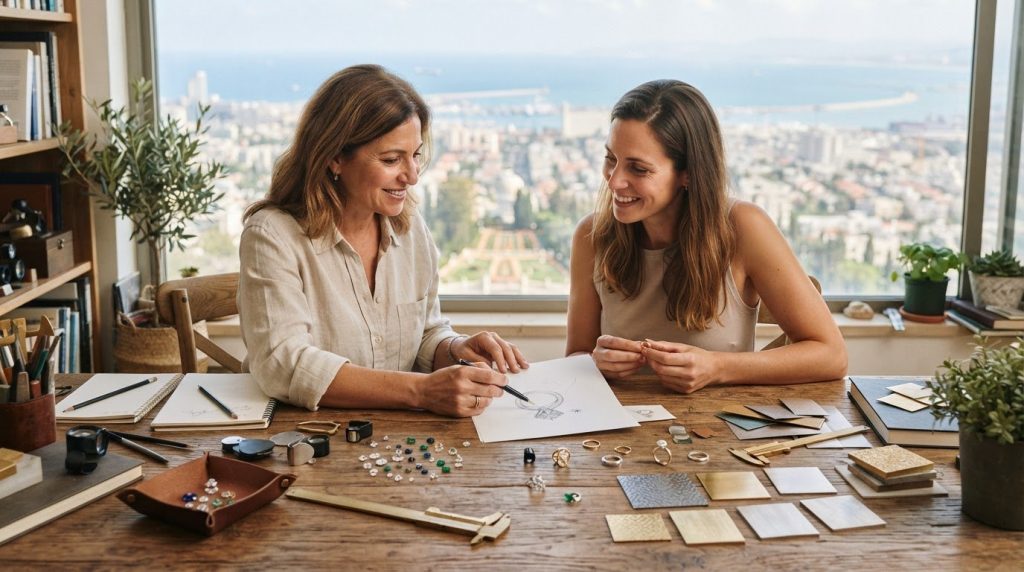
Jewelry Design in Haifa: What to Expect in 2026
-
Posted by
מילה קלר
If you’re searching “jewelry design consultation in Haifa what to expect,” you may be wondering what to bring, which decisions you’ll need to make,…
From Sketch to Sparkle: Ensuring the Final Piece Matches Your Jewelry Design
-
Posted by
You’ve spent weeks dreaming of a ring that captures your story, but as you look at the artist’s rendering, a small doubt creeps in. Will that…
Repurposing Heirloom Stones into Modern Custom Jewelry: The Complete 2026 Guide
-
Posted by
What if keeping an inherited ring tucked away in a dark jewelry box isn’t protecting your family history, but silencing it? It’s completely natural…
Designing a Custom 18k Gold Ring: 2026 Bespoke Guide
-
Posted by
What if the most exquisite jewelry you ever own isn’t reserved for formal galas, but crafted to enrich your daily life? When you start exploring…
Finding an English-Speaking Custom Fine Jewelry Designer in Israel: A Complete Guide
-
Posted by
Your most cherished jewelry shouldn’t just be an accessory; it’s a piece of your history that deserves to be understood without a translator. When…
How to Convince Your Husband to Upgrade Your Wedding Ring
-
Posted by
What if your wedding ring wasn’t just a relic of who you were when you said “I do,” but a luminous reflection of the woman you’ve become today? Many…
Red Flags When Choosing a Custom Jewelry Designer: A 2026 Guide to Protecting Your Vision
-
Posted by
Imagine spending months dreaming of a bespoke 18k gold ring, only to open the velvet box and find a piece that feels like a generic retail cast…
Jewelry That Makes Me Feel Protected and Strong: A Guide to Modern Talismans
-
Posted by
Most people view a necklace or a ring as a simple finishing touch, but for the modern woman, it’s often the first layer of emotional armor she puts…
How to Stack Rings: The Art of Curating Your Personal Story in 18K Gold
-
Posted by
What if your jewellery box wasn’t just a collection of objects, but a living timeline of your most cherished milestones? You’ve likely looked at a…
Minimalist Gold Rings: A Guide to Curating Your Timeless 18K Collection
-
Posted by
Your jewelry shouldn’t have an expiration date. Too many of us have felt the frustration of a cherished piece tarnishing or causing skin irritation…
Getting a Better Price Than Big Brand Jewelers in Israel: The Insider’s Guide 2026
-
Posted by
That iconic logo on a shopping bag in a Tel Aviv mall might feel like a mark of quality, but it’s often the most expensive way to buy a memory. When…

18k Gold Earrings for New Piercings: Safe Styling Guide
-
Posted by
What if the most rewarding part of your piercing journey wasn’t the initial appointment, but the moment you finally swap those generic studs for…