

Blog
How to Store 18k Gold Jewelry: The Complete Guide to Preserving Your Glow
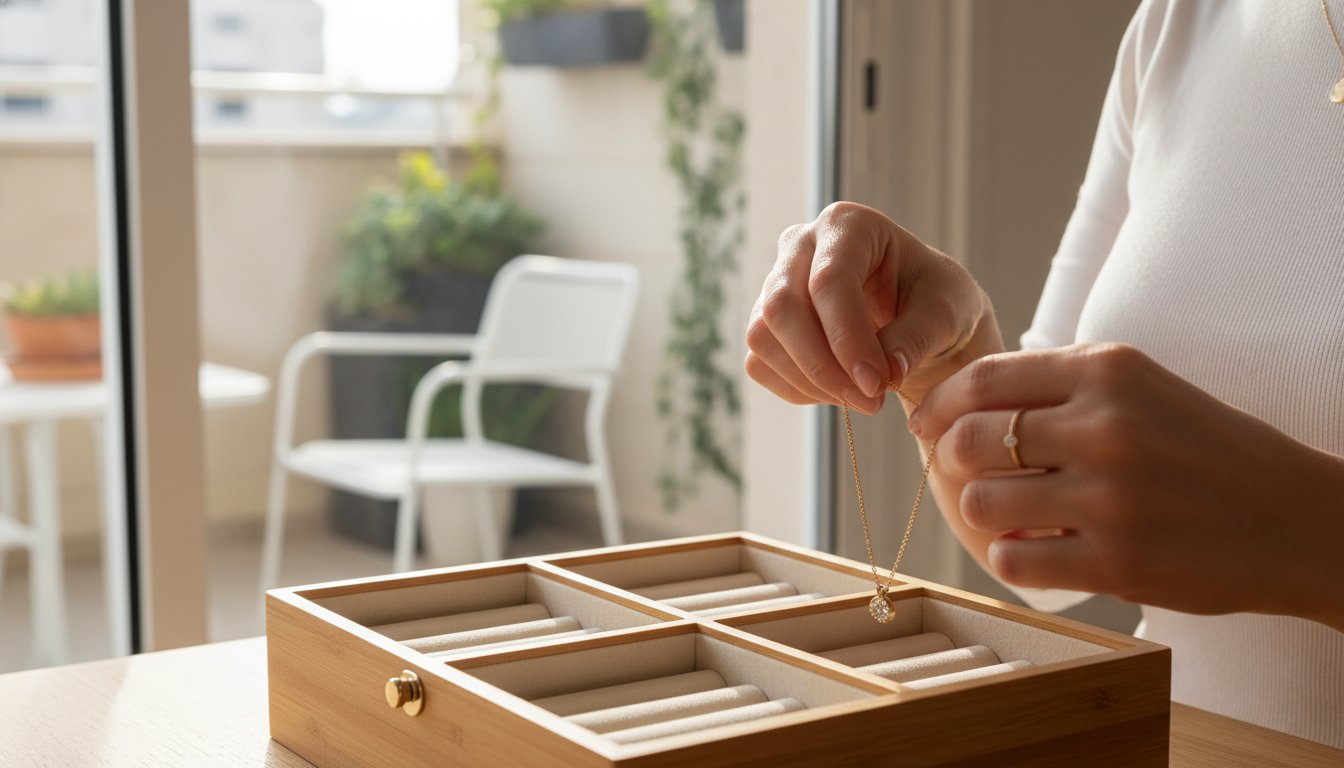
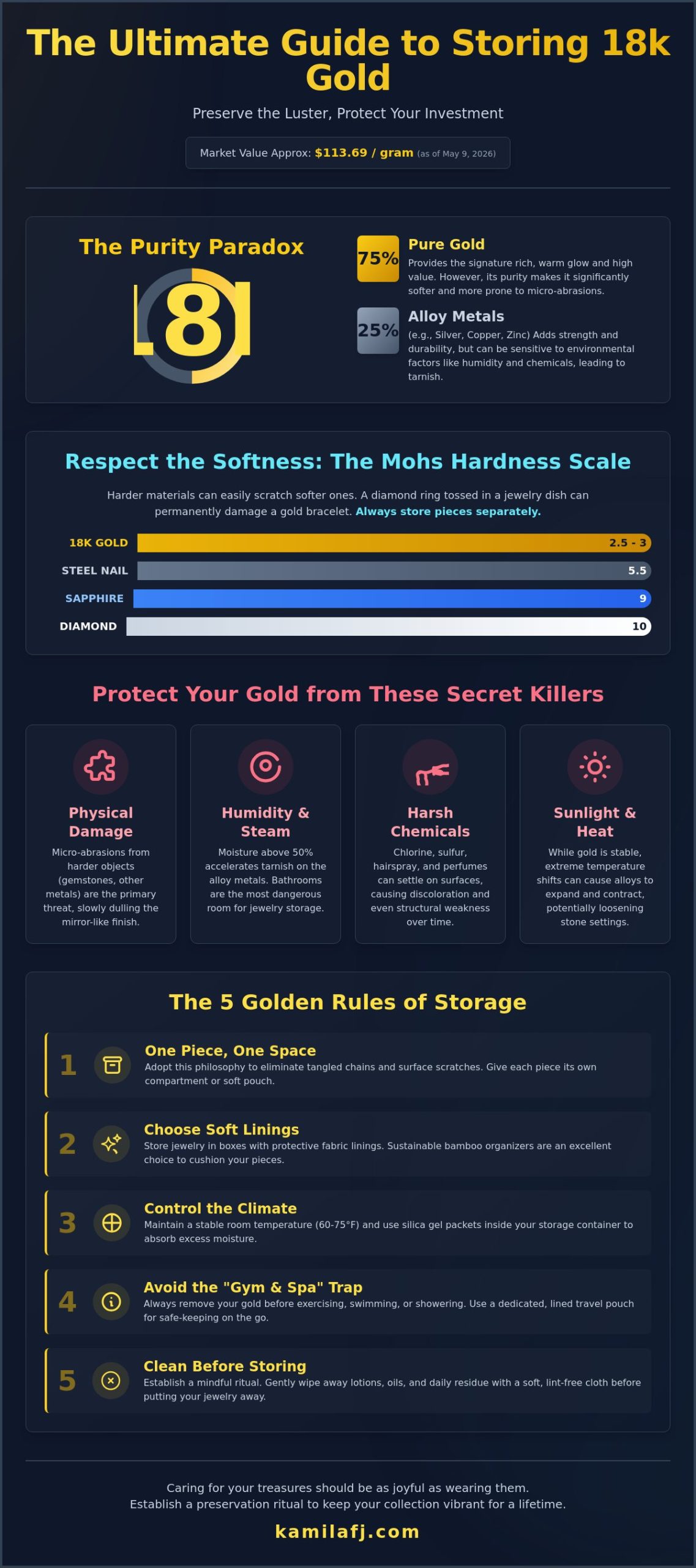
Your 18k gold jewelry isn’t just a collection of beautiful objects; it’s a series of intimate milestones that currently hold a market value of approximately $113.69 per gram as of May 9, 2026. Because 18k gold is 75% pure, its signature warmth comes with a delicate softness that demands you know exactly how to store 18k gold jewelry to prevent micro-abrasions. You probably worry about a favorite ring getting scratched or the heartbreak of a tangled heirloom necklace. It’s a common frustration to see the glow of a high-karat piece fade because of humidity or accidental contact with other metals.
We believe that caring for your treasures should be as joyful as wearing them. This guide reveals the professional secrets to protecting your investment from environmental damage and physical wear. We’ll share the best practices for maintaining that brand new luster, from choosing sustainable bamboo organizers to using silica packets for moisture control. You’ll discover a ritual of preservation that keeps your collection organized, accessible, and ready to celebrate your story every single day.
Key Takeaways
- Understand the “purity paradox” and why 18k gold’s 75% purity requires specialized protection compared to lower-karat pieces.
- Identify the ideal storage environment to protect your collection from the “secret killers” of jewelry glow: humidity, steam, and direct sunlight.
- Adopt the “One Piece, One Space” philosophy to eliminate the frustration of tangled necklaces and surface scratches using protective fabric linings.
- Master how to store 18k gold jewelry during travel and active moments to keep your talismans safe from the “gym and spa” trap.
- Establish a mindful cleaning ritual to remove lotions and oils before storage, ensuring your jewelry’s artistry remains vibrant for a lifetime.
The Science of 18k Gold: Why Purity Demands Protection
Choosing 18k gold is a celebration of artistry and value. Each piece is composed of 75% pure gold, while the remaining 25% consists of a curated blend of alloy metals like silver, copper, or zinc. This specific ratio creates the rich, buttery glow that defines high-end craftsmanship. However, this high gold content introduces what we call the “purity paradox.” While 18k gold is far more prestigious and retains its luster better than 10k or 14k alternatives, its high purity makes it significantly softer and more prone to physical damage. It’s a delicate balance between luxury and vulnerability.
Because it contains fewer base metals, 18k gold is naturally resistant to the heavy oxidation that turns lower-karat jewelry dull or green. If you understand how to store 18k gold jewelry correctly, your pieces will maintain their original fire for decades. The primary threat isn’t usually chemical decay, but rather micro-abrasions. These tiny scratches accumulate over time, slowly dimming the mirror-like finish that makes gold so captivating. Protecting your investment means respecting its softness and treating every ring or necklace as a precious talisman.
The Mohs Scale and Your Jewelry Box
To protect your collection, you must understand the hierarchy of hardness. On the Mohs Scale, 18k gold sits at a modest 2.5 to 3. In contrast, lab-grown diamonds and natural gemstones rank at a 10. This means a diamond ring tossed carelessly into a bowl can easily slice through the surface of a gold bracelet. The history of jewellery teaches us that separation is the only true way to preserve a piece’s integrity. We recommend a “separation of powers” approach; never store your 18k pieces in direct contact with harder stones or even lower-karat gold, which is harder and can act as an abrasive. Mixing fine gold with costume jewelry is especially risky, as cheap base metals often flake or corrode, transferring debris to your high-purity pieces.
Recognizing Environmental Risks
While gold itself is noble and unreactive, the 25% alloy within 18k pieces remains sensitive to the world around it. Moisture is a quiet enemy. When water or high humidity interacts with the copper or silver in the alloy, it can cause localized discoloration. Sulfur, often found in city air or certain papers, and chlorine from pools are even more aggressive. These chemicals can actually weaken the molecular structure of the gold alloy, leading to brittleness over time. Storing your jewelry in a controlled, dry environment isn’t just about organization; it’s an essential act of preservation that honors the modern artisan’s work and the stories your jewelry tells.
The Ideal Storage Environment: Temperature, Light, and Air
Your jewelry box should act as a climate-controlled sanctuary for your most cherished pieces. Maintaining a consistent room temperature between 60 and 75 degrees Fahrenheit is the first step in preserving the structural integrity of high-karat gold. While gold itself is stable, the alloy metals can expand and contract with extreme temperature shifts, potentially loosening stone settings over time. Understanding how to store 18k gold jewelry means recognizing that your vanity isn’t just a display; it’s a protective environment that shields your investment from the elements.
Humidity Control for Your Collection
Moisture is the primary catalyst for tarnish, especially in rose gold alloys that contain higher percentages of copper. When humidity levels exceed 50%, the copper reacts with moisture and oxygen to create a dull, dark film on the surface. To combat this, avoid open-air vanity displays in favor of a dedicated drawer or lined box. A modern hack involves placing a small silica gel packet inside your storage container to absorb excess moisture. This simple addition ensures that your meaningful gold bracelets and rings remain as radiant as the day you first wore them.
The bathroom is perhaps the most dangerous room in the house for fine jewelry. Frequent steam from showers creates a high-humidity microclimate that accelerates oxidation. Additionally, airborne chemicals from hairsprays and perfumes can settle into the intricate details of your jewelry, creating a sticky residue that attracts dust. According to GIA’s jewelry care tips, keeping your pieces in a dry, separate room is essential for long-term brilliance. This practice prevents the “secret killer” of jewelry glow from dimming your collection’s fire.
Light Exposure and Gemstone Integrity
While 18k gold is largely unaffected by UV light, the gemstones it often holds are much more sensitive. Prolonged exposure to direct sunlight can cause certain stones to fade or lose their saturation over time. Even lab-grown diamonds can attract a thin film of atmospheric oils when left out in the light, which dims their natural sparkle and fire. Using an opaque storage container protects these stones from unnecessary light exposure while keeping them dust-free. Finding a balance between airflow and an airtight seal is also vital. You want enough air to prevent moisture buildup, but a seal tight enough to keep out sulfur and other environmental pollutants that cause the gold’s alloy to darken.
Organizational Mastery: Preventing Scratches and Tangles
A jewelry box shouldn’t be a chaotic catch-all for your treasures. Instead, think of it as a gallery where every piece has its own curated pedestal. Adopting the “One Piece, One Space” philosophy is the most effective way to honor the softness of 18k gold. When pieces are allowed to touch, they inevitably rub against one another. These tiny collisions result in dullness over time. By providing each item with a dedicated home, you ensure that your rings and bracelets remain as crisp and reflective as the day they left the artisan’s hands.
The interior material of your storage solution is just as important as the organization itself. While some suggest using plastic bags or open trays, these methods offer little protection against friction. Professional-grade storage relies on soft, non-abrasive linings. Silk and velvet are classic choices that offer a gentle touch, while microfiber provides a modern, high-grip alternative that prevents pieces from sliding. Choosing the right lining isn’t just about luxury; it’s a practical necessity for maintaining the mirror-like finish of high-purity gold.
Necklace and Bracelet Management
Fine chains are particularly susceptible to the “Knotted Chain” nightmare. To keep your necklaces ready for wear, use dedicated hooks or padded bars that keep the chains taut. If you’re on the go, the “Straw Trick”—threading one end of the chain through a reusable straw—is a brilliant hack to prevent tangles. This level of care is especially important when you want to learn how to layer necklaces for an effortless look, as a single knot can ruin a carefully curated stack. Keeping your chains separate ensures that the delicate links don’t stretch or snap under the weight of a tangle.
Ring and Earring Security
Storing 18k gold rings requires more than just a decorative dish. High-karat gold bands are easily dented by the impact of other jewelry. Dedicated ring slots are superior because they cushion the shank and keep the setting upright. This is vital for protecting the integrity of the prongs holding your lab diamonds. When stones are kept secure and separate, they can’t scratch the gold of neighboring pieces. For earrings, always store them in pairs using a punctured card or a dedicated earring tree. This simple habit prevents “the lonely stud” syndrome and keeps your daily essentials organized and accessible. Learning how to store 18k gold jewelry with this level of precision turns your collection into an organized sanctuary of personal style.
Storage for the Modern Woman: Travel and Daily Rituals
Your 18k gold pieces are more than accessories; they’re intimate expressions of your identity that travel through life with you. Whether you’re flying across the globe or heading to a local yoga class, knowing how to store 18k gold jewelry during these transitions is vital. A common mistake often seen on social media is the use of plastic pill organizers for travel. These are made of hard, rigid plastic that can easily scratch the 75% pure gold surface of your rings or earrings. Instead, choose a travel case with a hard shell exterior to prevent crushing and a plush, microfiber interior to cushion every piece from impact.
The “Gym and Spa” trap is another frequent source of damage for active women. With female consumers making up 61% of the gold jewelry market as of 2026, the need for safe on-the-go storage has never been higher. Never leave your rings in a gym locker or a loose pocket. The friction from coins or keys can cause deep gouges in soft 18k gold. We recommend carrying a small, silk-lined pouch in your handbag specifically for these moments. This ensures your jewelry stays protected from the sweat and chemicals found in fitness environments while remaining easily accessible for when your workout ends.
The Essential Travel Checklist
Security and preservation go hand-in-hand when you’re away from home. Never place your fine jewelry in checked luggage; always keep your treasures in your carry-on or personal item. Inside your travel roll, use individual soft pouches for each item to prevent the friction and tangling we’ve previously addressed. Finally, always pack a dedicated microfiber polishing cloth. A quick wipe at the end of a day of sightseeing removes the sunscreen, salt spray, or city pollutants that can quickly dim your gold’s natural fire.
Safe Zones in the Home
Your daily routine needs “safe zones” to prevent accidental loss or damage. The kitchen sink and the nightstand are high-risk areas that need a “soft landing” pad—perhaps a velvet-lined tray or a dedicated jewelry dish. This prevents your everyday elegance from slipping down a drain or being knocked onto a hard floor. Make taking off your jewelry the very last step of your evening ritual, after you’ve applied lotions and perfumes. This simple habit protects the 25% alloy in your 18k gold from chemical reactions that cause dullness. Ready to find a new piece to add to your daily ritual? Explore our handcrafted gold necklaces designed to make every day feel like a celebration.
Preservation as Art: The KaMila Care Ritual
Mastering how to store 18k gold jewelry is as much about what you do before the box is closed as it is about the box itself. We view your collection not as a set of accessories, but as an intimate gallery of your life’s most meaningful moments. To keep that 75% pure gold glow as vibrant as your first day wearing it, you must adopt a mindful preservation ritual. This final step transforms basic storage into an act of self-care, ensuring your jewelry remains a true reflection of your personal story.
While previous sections focused on the physical environment, the long-term integrity of your pieces also depends on regular professional check-ups. We recommend an annual inspection of your most-worn items. A professional can check for thinning prongs or weakened clasps that might compromise your jewelry’s safety. This proactive approach is especially vital for a cherished engagement ring, helping it transition from a modern symbol of love into a lasting heirloom for future generations.
Pre-Storage Cleaning Routine
Daily wear exposes your gold to skin oils, salts, and microscopic debris. Many guides suggest a monthly deep clean, but they often forget that storing jewelry while it’s “dirty” can be damaging. Over time, the chemical residues from sweat and lotions can actually etch the surface of the 25% alloy in your 18k gold, leading to permanent dullness. Before you place your pieces in their dedicated spaces, give them a gentle wipe with a lint-free microfiber cloth to remove these surface contaminants.
If you’ve spent a long day in the sun or at an event, a more thorough approach might be necessary. You can learn how to clean your fine jewelry at home safely using mild, fragrance-free soap and warm water. Always ensure every piece is 100% dry before it enters the jewelry box. Trapping even a tiny droplet of water inside a velvet-lined compartment creates a humid micro-climate that invites tarnish to your rose or yellow gold alloys.
The KaMila Signature: You, in Gold
Fine jewelry is designed to celebrate the woman who wears it. When you understand how to store 18k gold jewelry with artisan-level care, you’re honoring your own identity and the artistry behind each handcrafted piece. Proper storage isn’t just a safety measure; it’s a way to ensure your talismans continue to make every day feel special. Whether it’s a bold geometric ring or a delicate charm, your collection deserves a sanctuary that matches its elegance. We invite you to explore new pieces that speak to your soul, knowing you now have the professional secrets to protect their glow forever.
Honor Your Story Through Mindful Preservation
Your 18k gold collection is a living record of your most meaningful milestones. By mastering how to store 18k gold jewelry, you’re doing more than preventing scratches; you’re ensuring these talismans remain as radiant as the memories they represent. The “One Piece, One Space” philosophy remains your best defense against the micro-abrasions that dim high-purity gold’s natural fire. Consistent care protects the 75% pure gold content from environmental stressors like humidity and chemical exposure, keeping the artistry of each piece intact for years to come.
Fine jewelry is meant to make every day feel special. When you treat your collection with artisan-level care, you transform simple storage into a ritual of self-appreciation. Our minimalist designs are handcrafted in 18k gold to serve as modern heirlooms for the contemporary woman. Every piece, featuring ethically sourced lab-grown diamonds, is a celebration of your unique journey and quiet confidence.
Discover 18k gold pieces designed to be cherished every day at KaMila Fine Jewellery. Let your jewelry be a constant, glowing reminder of the joy and grace you carry through the world.
Frequently Asked Questions
Can I store 18k gold in a plastic Ziploc bag?
You should avoid using plastic bags for long-term storage of your fine pieces. While they seem convenient, many plastics release chemicals called plasticizers that can react with the copper and silver alloys in your gold, leading to discoloration. Additionally, a thin plastic bag offers no protection against the physical pressure that can dent soft 18k bands. Instead, use a soft cloth pouch that allows the metal to breathe while providing a gentle cushion.
Does 18k gold tarnish if it is not stored correctly?
18k gold is highly tarnish-resistant because of its high purity, but it isn’t completely immune to environmental changes. The silver and copper mixed into the alloy can react with moisture or sulfur in the air, causing a slight darkening over time. Knowing how to store 18k gold jewelry in a dry, cool place is the best way to prevent this reaction. Using silica packets can further reduce the risk of oxidation in humid climates.
Is it safe to store my 18k gold rings in a jewelry bowl?
A jewelry bowl is risky for 18k gold because the pieces can easily scratch one another when piled together. Because high-karat gold is relatively soft, any friction between a gemstone and a gold band will result in micro-abrasions. For daily use, a velvet-lined tray with individual sections is a much safer drop zone. This ensures your rings and earrings remain separate, preserving their mirror-like finish and structural integrity.
How do I stop my 18k gold necklaces from tangling in storage?
To stop necklaces from tangling, store them individually using hooks or a dedicated jewelry roll. If you’re traveling, threading one end of a fine chain through a straw before clasping it is a reliable way to keep the links taut. This prevents the knots that can lead to permanent stretching or breakage. Keeping chains separate also ensures that the delicate 18k gold doesn’t rub against harder pendants or clasps during storage.
Should I store 18k gold and silver jewelry together?
It’s best to keep your 18k gold and silver jewelry in separate compartments. Silver is prone to rapid oxidation, and the tarnish can actually transfer to your gold pieces if they’re in direct contact. Different metals also have varying hardness levels; even a slight rub can leave marks on your softer 18k gold. Using a jewelry box with dedicated dividers is the most effective way to protect the unique glow of each metal.
What is the best fabric for lining a jewelry box for 18k gold?
The best fabrics for lining a jewelry box are silk, velvet, or high-quality microfiber. These materials are non-abrasive and won’t snag on delicate prongs or intricate filigree. Avoid using rougher fabrics like wool or certain linens, which can trap dust and moisture against the metal. A soft, plush lining acts as a shock absorber, ensuring that your 18k gold pieces remain cushioned and scratch-free while you aren’t wearing them.
Can I use a safe to store my fine jewelry long-term?
A safe is an excellent choice for long-term security, provided you manage the internal environment. Many safes trap moisture, which can be detrimental to the copper and silver alloys in 18k gold. To prevent this, always store your jewelry inside a lined box within the safe and include a few silica gel packets to absorb excess humidity. This combination offers the highest level of physical security without compromising the metal’s luster.
How often should I take my 18k gold out of storage to inspect it?
You should take your 18k gold out of storage for a thorough inspection at least once every six months. This gives you the opportunity to check for any signs of tarnish or loose stones that may have occurred during handling. Regular checks ensure you catch small issues, like a weakened clasp, before they lead to the loss of a piece. Understanding how to store 18k gold jewelry includes this proactive habit of mindful preservation.
Related Posts
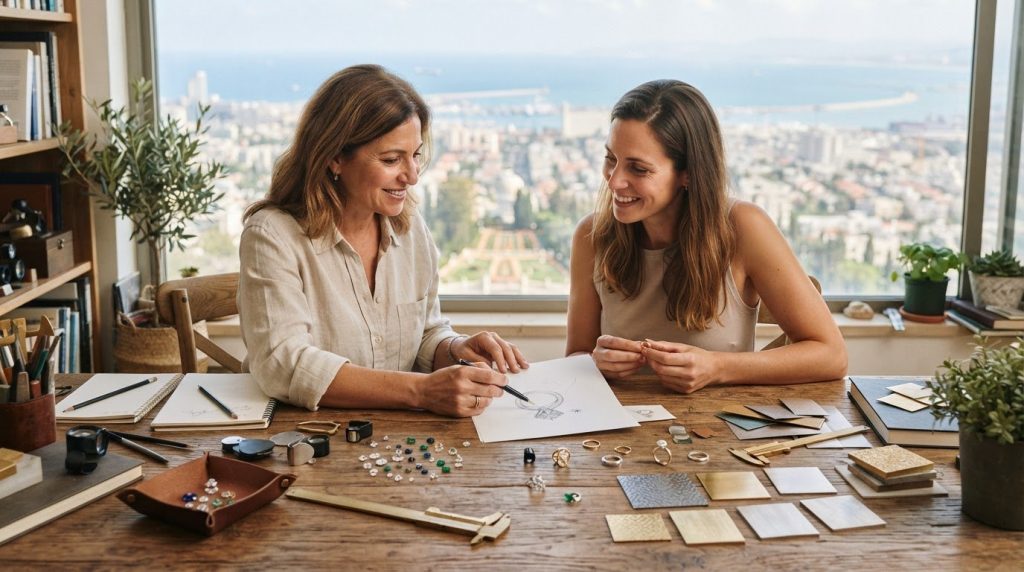
Jewelry Design in Haifa: What to Expect in 2026
-
Posted by
מילה קלר
If you’re searching “jewelry design consultation in Haifa what to expect,” you may be wondering what to bring, which decisions you’ll need to make,…
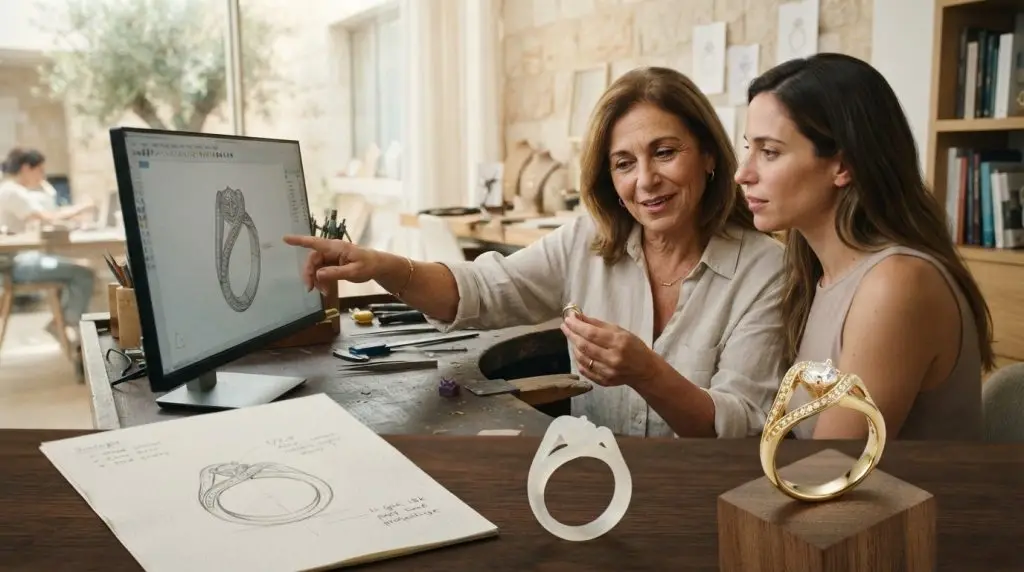
From Sketch to Sparkle: Ensuring the Final Piece Matches Your Jewelry Design
-
Posted by
You’ve spent weeks dreaming of a ring that captures your story, but as you look at the artist’s rendering, a small doubt creeps in. Will that…
Repurposing Heirloom Stones into Modern Custom Jewelry: The Complete 2026 Guide
-
Posted by
What if keeping an inherited ring tucked away in a dark jewelry box isn’t protecting your family history, but silencing it? It’s completely natural…
Designing a Custom 18k Gold Ring: 2026 Bespoke Guide
-
Posted by
What if the most exquisite jewelry you ever own isn’t reserved for formal galas, but crafted to enrich your daily life? When you start exploring…
Red Flags When Choosing a Custom Jewelry Designer: A 2026 Guide to Protecting Your Vision
-
Posted by
Imagine spending months dreaming of a bespoke 18k gold ring, only to open the velvet box and find a piece that feels like a generic retail cast…

Jewelry That Makes Me Feel Protected and Strong: A Guide to Modern Talismans
-
Posted by
Most people view a necklace or a ring as a simple finishing touch, but for the modern woman, it’s often the first layer of emotional armor she puts…
How to Stack Rings: The Art of Curating Your Personal Story in 18K Gold
-
Posted by
What if your jewellery box wasn’t just a collection of objects, but a living timeline of your most cherished milestones? You’ve likely looked at a…
Minimalist Gold Rings: A Guide to Curating Your Timeless 18K Collection
-
Posted by
Your jewelry shouldn’t have an expiration date. Too many of us have felt the frustration of a cherished piece tarnishing or causing skin irritation…
Getting a Better Price Than Big Brand Jewelers in Israel: The Insider’s Guide 2026
-
Posted by
That iconic logo on a shopping bag in a Tel Aviv mall might feel like a mark of quality, but it’s often the most expensive way to buy a memory. When…

18k Gold Earrings for New Piercings: Safe Styling Guide
-
Posted by
What if the most rewarding part of your piercing journey wasn’t the initial appointment, but the moment you finally swap those generic studs for…

18k Gold Minimalist Bracelets: The Ultimate Guide to Timeless Everyday Luxury
-
Posted by
True minimalism isn’t about having less; it’s about requiring more from the few pieces you choose to wear every day. If you’ve ever felt the…

18k Gold Stud Earrings: The Ultimate Guide to Everyday Luxury
-
Posted by
Why should the jewelry you wear every single day be the piece that irritates your skin or loses its radiance before the season even turns? It’s a…