
Blog
What is Sustainable Jewelry? A Guide to Ethical Fine Craftsmanship

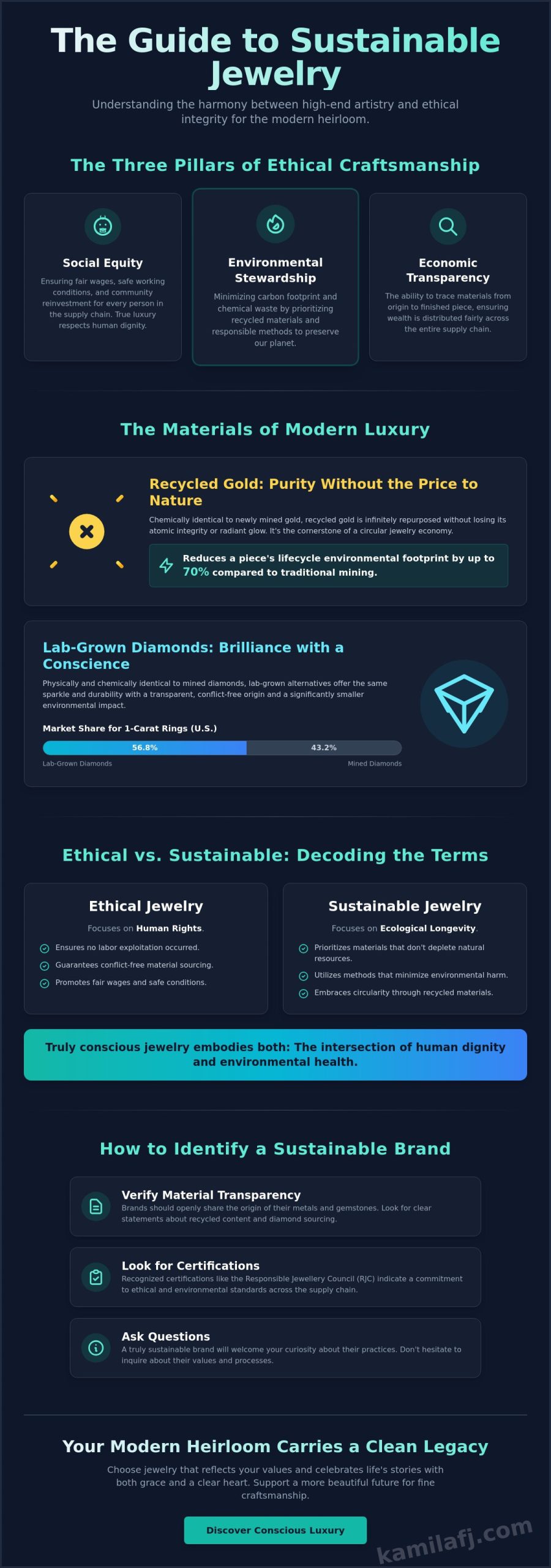
What if the most exquisite piece of jewelry you ever own was also the kindest to the planet? You likely believe that a diamond’s sparkle shouldn’t come at a hidden human or environmental cost, yet finding clarity in a sea of industry buzzwords often feels nearly impossible. Understanding what is sustainable jewelry means looking beyond the surface to find a harmony between high-end artistry and ethical integrity. It’s about ensuring that your modern heirlooms reflect your values as much as they do your personal style, turning every gold ring or necklace into a meaningful emblem of your unique identity.
You don’t have to choose between luxury and your conscience. This guide will help you decode the difference between “eco-friendly” and “ethical” while proving that lab-grown diamonds are just as “real” and radiant as those from the earth. We’ll explore how recycled metals can reduce environmental footprints by up to 70 percent and provide you with the tools to identify brands that truly value transparency. You’ll gain the confidence to select pieces that celebrate life’s stories with both grace and a clear heart, knowing your choice supports a more beautiful future for the craft of fine jewelry.
Key Takeaways
- Learn exactly what is sustainable jewelry by looking beyond marketing labels to its holistic impact on the environment, social justice, and economic transparency.
- Discover why recycled 18k gold is the gold standard for fine craftsmanship, offering infinite purity and beauty within a circular jewelry economy.
- Understand the hidden environmental and social costs of traditional mining to help you make informed, conscious decisions for your personal collection.
- Master the steps to identify truly ethical brands by verifying material transparency and looking for recognized certifications like the RJC.
- Reframe your jewelry as a modern heirloom that carries a clean legacy and adds deeper meaning to your life’s most cherished celebrations.
Defining Sustainable Jewelry: More Than Just a Trend
Jewelry is far more than a simple adornment; it’s a silent narrator of our most cherished moments. For decades, the industry was defined by “fast fashion” cycles and high-impact mining practices that often left behind a trail of ecological and social damage. Understanding what is sustainable jewelry means moving away from these disposable habits and embracing a slow, intentional approach to fine craftsmanship. It’s a commitment to ensuring that a gold ring or custom necklace doesn’t just look beautiful, but actually does good for the world it inhabits. This shift represents a departure from the era of “blood diamonds” and towards a model that respects the human story behind every sparkle.
The industry now looks toward the “triple bottom line”: People, Planet, and Prosperity. This framework ensures that high-end artistry doesn’t come at the cost of the environment or human rights. Prosperity in this context isn’t just about the market value of materials, even as the price of gold reached approximately $4,312.76 per troy ounce in June 2026. Instead, it’s about economic transparency and ensuring that wealth is distributed fairly across the entire supply chain. When you choose a piece created with this mindset, you’re participating in a movement that elevates the artisan and protects the earth.
The Three Pillars of Ethical Craftsmanship
- Environmental Stewardship: This pillar focuses on minimizing the carbon footprint and chemical waste associated with traditional mining. Choosing recycled gold can reduce a piece’s life cycle footprint by up to 70 percent, preserving the landscape for future generations.
- Social Equity: True luxury requires that every person involved in the process is treated with grace. This means fair wages, safe working conditions, and meaningful community reinvestment in mining regions.
- Transparency: Modern artisans prioritize the ability to trace a gemstone or metal from its geological origin to the final polished piece. It’s about knowing exactly whose hands shaped your jewelry.
Ethical vs. Sustainable: What is the Difference?
While these terms are often used interchangeably, they carry distinct meanings. “Ethical” jewelry focuses primarily on human rights, ensuring that no labor exploitation or conflict financing occurred during production. “Sustainable” jewelry looks at ecological longevity, prioritizing materials and methods that can be maintained without depleting natural resources. To be truly conscious in 2026, a brand must embody both. This evolution is a core part of the rise in ethical consumerism, where your purchase becomes an intimate expression of your values. Ultimately, sustainable jewelry is the intersection of environmental health and human dignity.
The Materials of Modern Luxury: Gold and Diamonds
True luxury should feel as light on the conscience as it does on the skin. When exploring what is sustainable jewelry, many are delighted to find that high-end materials like 18k gold and diamonds can be sourced without the heavy environmental toll of traditional mining. The magic of these materials is their ability to be endlessly reborn. Gold is a perfect example of a circular economy in action; it can be refined and repurposed infinitely without losing its signature glow or atomic integrity. The gold necklace you treasure today may have had a previous life as a vintage heirloom, now reimagined for a modern era.
Recycled 18k Gold: Purity Without the Price to Nature
Recycled gold is precious metal reclaimed from existing jewelry or industrial sources. It’s then refined back to its purest form. We celebrate 18k gold as the gold standard for fine craftsmanship because it contains 75 percent pure gold, providing a rich, warm hue while remaining strong enough for a lifetime of wear. Because it is chemically identical to newly mined metal, it offers the same weight and radiance you’d expect from a high-end piece. This commitment to durability and artistry is evident in our gold bracelets: your guide to everyday elegance, where recycled gold creates a foundation for pieces meant to be worn daily.
Lab-Grown Diamonds: Brilliance with a Conscience
The diamond landscape has changed significantly. As of June 2026, lab-grown diamonds secured a 56.8 percent market share for 1-carat rings in the U.S., proving that modern shoppers value both beauty and ethics. These stones aren’t “fakes” or simulants; they are physically, chemically, and optically identical to mined diamonds. Created in labs that replicate the intense heat and pressure of the earth, they are graded by the same 4Cs (Cut, Color, Clarity, and Carat). This innovation allows you to choose a stone with exceptional fire and scintillation, often at a more accessible price point that typically ranges from $500 to $4,500 for a 1-carat stone. For a detailed look at this revolutionary process, read our Lab diamonds: the complete guide to brilliance with a conscience.
Choosing these materials ensures your jewelry is a direct reflection of your personal narrative and integrity. If you’re looking for a piece that truly speaks to your soul and defines what is sustainable jewelry for you, you might explore our one-of-a-kind jewelry, where ethical materials meet artisanal vision.
The Environmental and Social Impact of Traditional Mining
The allure of a sparkling gemstone often masks a complex and sometimes troubling origin story. For many, the journey to understanding what is sustainable jewelry begins with a look at the hidden costs of traditional extraction. While a finished gold ring represents joy and commitment, its creation through conventional mining can result in significant soil erosion and the contamination of vital water sources. A single gold wedding band can produce up to 20 tonnes of toxic waste; a staggering figure that highlights the urgent need for more thoughtful sourcing in the fine jewelry world.
Beyond the ecological toll, the human story of mining is equally vital. Artisanal and small-scale mining (ASM) often takes place in regions where labor protections are thin. While the industry has made strides, “conflict-free” labels are now considered the bare minimum rather than the pinnacle of ethics. In 2026, a truly conscious brand looks beyond the absence of war to ensure fair wages and safe conditions for every person in the supply chain. The Responsible Jewellery Council (RJC) remains a leader in this space. Their updated 2025 Code of Practices now requires rigorous third-party audits to verify ethical business practices and traceability from the mine to the retail floor.
The Ecological Footprint of a Single Ring
Human Rights and Fair Trade in the Jewelry Industry
True sustainability is impossible without social equity. This means ensuring that bench jewelers and artisans receive living wages that reflect their high level of skill and artistry. Supporting small, designer-led brands often provides better oversight of the production process, as these creators maintain intimate relationships with their suppliers. You can often find this level of dedication by finding a local fine jewelry store that prioritizes transparency. By choosing to shop with those who value the human hands behind the craft, you ensure your modern heirloom is a celebration of both beauty and dignity.
How to Identify and Choose Sustainable Jewelry Brands
Finding a brand that aligns with your values shouldn’t feel like a chore. It’s an opportunity to connect with a creator who shares your vision for a more beautiful world. When you’re trying to determine what is sustainable jewelry in a crowded marketplace, the first thing to look for is radical transparency. A brand should be able to tell you exactly where their recycled gold comes from and provide grading reports for their lab-grown diamonds. If they’re vague about their origins, it’s often a sign that their commitment to ethics is only surface-level.
- Look for Certifications: Reputable brands often hold certifications from organizations like the Responsible Jewellery Council (RJC) or SCS Global Services. These third-party audits ensure the company meets strict social and environmental standards.
- Evaluate Production Scale: Mass-produced items often lead to unnecessary waste and excess inventory. Handcrafted pieces, however, are made with intention and care, often resulting in higher quality and a smaller carbon footprint.
- Assess the Packaging: A truly sustainable brand considers the entire lifecycle of their product. Look for plastic-free, recyclable, or compostable packaging that reflects a commitment to minimizing waste from the moment you open the box.
- Meet the Artisans: Don’t be afraid to ask who actually made your piece. Knowing the hands that shaped your gold necklace or ring adds a layer of intimacy and ensures that the people behind the craft are treated with dignity.
Spotting Greenwashing in the Jewelry World
Greenwashing is a growing concern as more companies try to capitalize on the desire for ethical products. Beware of brands that use buzzwords like “eco-friendly” or “natural” without providing specific data to back them up. Another common pitfall is the rise of gold-plated or gold-filled jewelry marketed as sustainable. While these pieces are more affordable, they often have a short lifespan, eventually ending up in a landfill. Investing in solid 18k gold is a much more conscious choice because it won’t tarnish or wear away; it’s a piece designed to last for generations. Choosing one quality item over five disposable ones is the heart of slow, intentional luxury and truly defines what is sustainable jewelry for the modern wearer.
The Importance of Handcrafted Artistry
Handcrafted jewelry is the antithesis of the “fast fashion” mindset. When a piece is made by an artisan, there’s a significant reduction in the chemical waste and energy consumption associated with large-scale factory manufacturing. Every curve and setting is intentional, reflecting a story that mass-produced items simply can’t replicate. Once you’ve chosen your ethical pieces, you can learn more about styling fine jewelry to create a curated look that’s uniquely you. If you’re ready to start your journey with a piece that embodies these values, explore our collection of gold rings that blend modern sophistication with artisanal integrity.
Modern Heirlooms: Why Sustainability is the Future of Sentiment
Jewelry is rarely just an object; it’s a vessel for our most profound emotions. When we choose a piece to mark an engagement, a milestone anniversary, or a personal triumph, we’re selecting a witness to our life’s story. In the past, the origin of these pieces was often shrouded in mystery, but the modern wearer seeks a deeper connection. Understanding what is sustainable jewelry allows you to ensure that your most cherished possessions carry a clean legacy. A modern heirloom isn’t defined solely by its material value, but by the integrity of its journey from the artisan’s bench to your collection. It’s a piece you can pass down with pride, knowing its beauty never came at the expense of others.
Choosing ethical pieces adds an invisible yet palpable layer of meaning to life’s celebrations. There’s a quiet joy in knowing that the sparkle of your ring reflects a commitment to the planet. This sentiment is amplified through custom jewelry and one-of-a-kind jewelry, where the design process becomes a collaborative act of storytelling. By choosing materials that align with your soul, you transform a beautiful accessory into a meaningful emblem of your identity. This shift toward intentionality is why sustainability has become the heartbeat of modern fine craftsmanship.
Jewelry That Tells Your Story
The emotional value of a piece is inextricably linked to its history. When you wear jewelry that honors the earth and its people, it becomes a protective emblem of your values. This fusion of tradition and ethics is particularly powerful in symbolic pieces. For instance, heritage-rich designs like Ashkenazi jewelry can be reimagined with modern, ethical materials to bridge the gap between ancestral history and contemporary consciousness. Whether it’s a gold necklace or a bespoke ring, your jewelry should be as authentic as the story it represents. It’s about celebrating where you’ve been while protecting the world you’re moving toward.
The KaMila Commitment
At KaMila Fine Jewellery, we believe that true luxury is found in the harmony of artistry and integrity. Every piece we create is a testament to what is sustainable jewelry should be: a blend of high-end materials and thoughtful production. We work exclusively with 18k gold and lab-grown diamonds to ensure your treasures are both radiant and responsible. Each item is handcrafted in our Israeli studio, where we pour our passion for the craft into every detail. This personal touch ensures that your jewelry is not just a product, but a handcrafted fine jewelry piece that truly reflects your unique narrative. We invite you to explore our handcrafted fine jewelry collections and find a piece that resonates with your heart and your history.
Embrace a Future of Meaningful Luxury
Choosing fine jewelry is an intimate celebration of who you are and the values you hold dear. By prioritizing recycled 18k gold and premium lab-grown diamonds, you ensure that your modern heirlooms shine with a clean conscience. Your journey to discover what is sustainable jewelry leads to a beautiful realization; true luxury and ethical integrity are not separate paths, but a single, harmonious expression of grace. Every piece you select becomes a symbolic representation of your story, crafted to be worn daily and cherished for generations.
At KaMila Fine Jewellery, we’re dedicated to this vision of transparent, artisan-led production. Our collections are expertly handcrafted in our Israeli studio, blending traditional craftsmanship with modern material innovations. We invite you to find a piece that resonates with your personal narrative and reflects the duality of strength and delicacy you carry within. Let your jewelry be a protective emblem of the world you wish to see, sparkling with joy and purpose.
Discover Sustainable Elegance: Shop the KaMila Collection
Common Questions About Ethical Fine Jewelry
Is sustainable jewelry the same as ethical jewelry?
Sustainable and ethical jewelry are closely related but focus on different aspects of production. Ethical jewelry centers on human rights, ensuring fair wages and safe conditions for the people who mine and craft the pieces. Sustainable jewelry prioritizes environmental health, focusing on materials and methods that minimize ecological damage. To truly understand what is sustainable jewelry in 2026, you should look for brands that honor both human dignity and the planet’s longevity.
Are lab-grown diamonds real diamonds?
Lab-grown diamonds are absolutely real diamonds in every sense of the word. They possess the exact same chemical, physical, and optical properties as mined diamonds. Because they are created in a controlled environment that mimics the earth’s natural pressure, they are indistinguishable from mined stones, even to a trained jeweler. They offer the same fire and brilliance while providing a more transparent and ethical origin story.
Why is recycled gold better for the environment?
Recycled gold is significantly better for the environment because it avoids the destructive practices of traditional mining. A single gold wedding band from a new mine can produce up to 20 tonnes of toxic waste. By refining existing gold, artisans can reduce a piece’s life cycle footprint by approximately 70 percent. This circular approach preserves natural landscapes and prevents further soil erosion and water contamination.
Can sustainable jewelry be considered an investment?
Sustainable fine jewelry is an excellent investment in both material value and personal legacy. Pieces made from solid 18k gold and high-quality lab diamonds retain their intrinsic value because the materials are identical to their mined counterparts. Unlike disposable costume jewelry, these are modern heirlooms designed to last for generations. Choosing quality over quantity ensures your collection maintains its beauty and worth over time.
How do I know if a jewelry brand is truly sustainable?
You can identify a truly sustainable brand by their level of transparency and specific data. Look for detailed disclosures about their supply chain and the origin of their metals and stones. If a brand avoids the question of what is sustainable jewelry by using vague terms like “eco-friendly” without proof, they may be greenwashing. Reputable brands will openly discuss their workshop practices and material sources.
Does sustainable jewelry tarnish or lose its value?
High-quality sustainable jewelry made from solid 18k gold does not tarnish or lose its integrity. Unlike gold-plated or “gold-filled” items that eventually wear away, solid gold maintains its warm glow forever. Its value remains tied to the purity of the metal and the artisan’s craftsmanship. These pieces are meant to be worn daily as an intimate expression of your story without fear of fading.
What certifications should I look for when buying sustainable jewelry?
Look for certifications from recognized organizations like the Responsible Jewellery Council (RJC) or SCS Global Services. The RJC updated its Code of Practices in 2025 to require even stricter third-party audits for ethical and environmental standards. These certifications provide peace of mind that a brand’s claims have been independently verified. You can also look for Fairtrade or Fairmined labels for artisanal gold sourcing.
Is 18k gold more sustainable than 14k gold?
18k gold is often the preferred choice for sustainable fine jewelry because its 75 percent pure gold content offers a higher standard of luxury and durability. While 14k gold is also durable, 18k gold provides a richer color and greater intrinsic value. The sustainability of either option depends on whether the gold is recycled or ethically sourced. Choosing 18k gold reflects a commitment to high-end artistry that won’t need to be replaced.
Related Posts
Questions to Ask a Jeweler About Their Sourcing Ethics
-
Posted by
מילה קלר
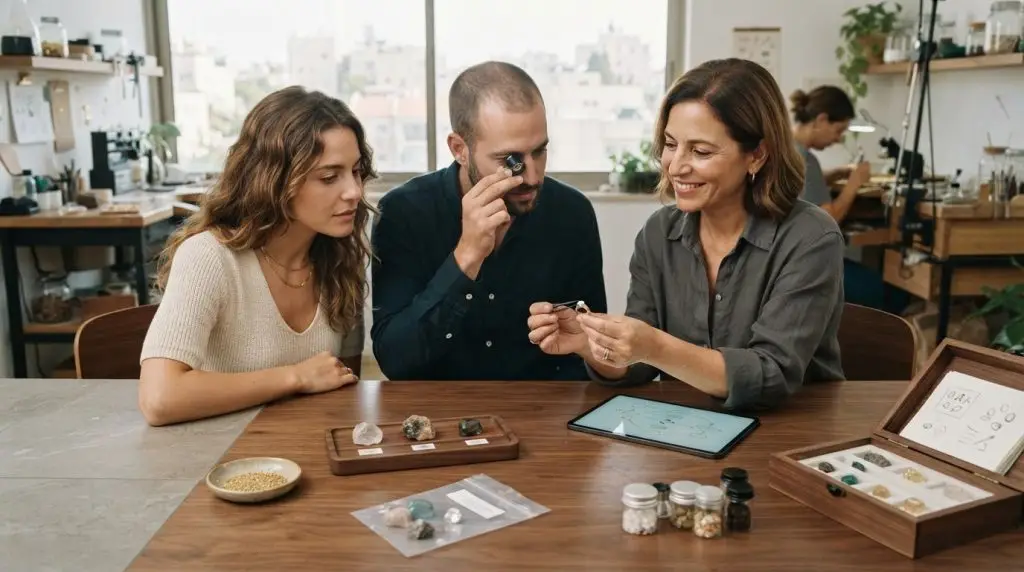
What if “ethically sourced” tells you less than the answer to one careful question? When choosing a piece with personal meaning, it’s natural to want…
Jewelry Design in Haifa: What to Expect in 2026
-
Posted by
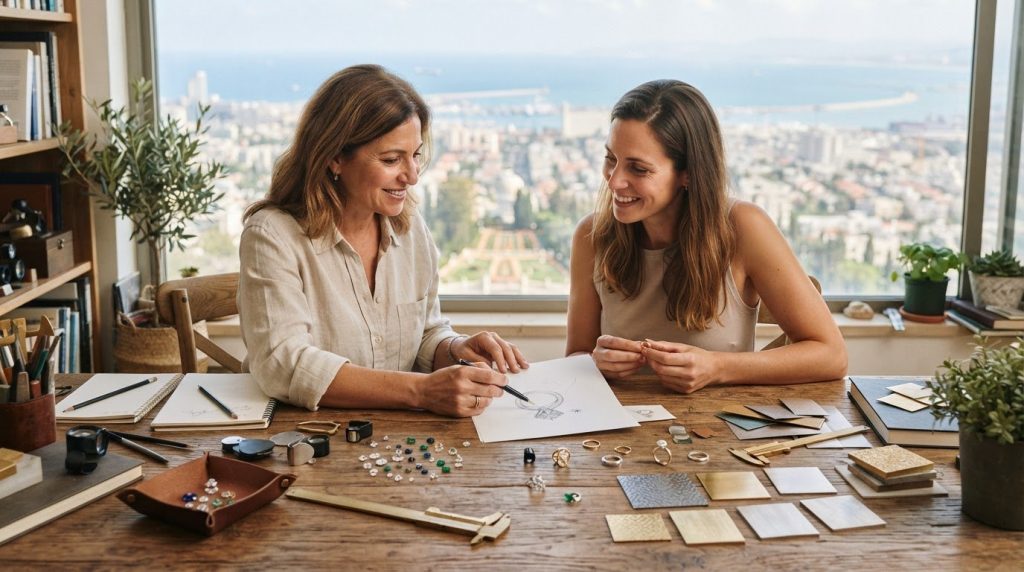
If you’re searching “jewelry design consultation in Haifa what to expect,” you may be wondering what to bring, which decisions you’ll need to make,…
Designing a Custom 18k Gold Ring: 2026 Bespoke Guide
-
Posted by
What if the most exquisite jewelry you ever own isn’t reserved for formal galas, but crafted to enrich your daily life? When you start exploring…
Finding an English-Speaking Custom Fine Jewelry Designer in Israel: A Complete Guide
-
Posted by
Your most cherished jewelry shouldn’t just be an accessory; it’s a piece of your history that deserves to be understood without a translator. When…

How to Convince Your Husband to Upgrade Your Wedding Ring
-
Posted by
What if your wedding ring wasn’t just a relic of who you were when you said “I do,” but a luminous reflection of the woman you’ve become today? Many…
Red Flags When Choosing a Custom Jewelry Designer: A 2026 Guide to Protecting Your Vision
-
Posted by
Imagine spending months dreaming of a bespoke 18k gold ring, only to open the velvet box and find a piece that feels like a generic retail cast…
Jewelry That Makes Me Feel Protected and Strong: A Guide to Modern Talismans
-
Posted by
Most people view a necklace or a ring as a simple finishing touch, but for the modern woman, it’s often the first layer of emotional armor she puts…
How to Stack Rings: The Art of Curating Your Personal Story in 18K Gold
-
Posted by
What if your jewellery box wasn’t just a collection of objects, but a living timeline of your most cherished milestones? You’ve likely looked at a…
Minimalist Gold Rings: A Guide to Curating Your Timeless 18K Collection
-
Posted by
Your jewelry shouldn’t have an expiration date. Too many of us have felt the frustration of a cherished piece tarnishing or causing skin irritation…
Getting a Better Price Than Big Brand Jewelers in Israel: The Insider’s Guide 2026
-
Posted by
That iconic logo on a shopping bag in a Tel Aviv mall might feel like a mark of quality, but it’s often the most expensive way to buy a memory. When…

18k Gold Earrings for New Piercings: Safe Styling Guide
-
Posted by
What if the most rewarding part of your piercing journey wasn’t the initial appointment, but the moment you finally swap those generic studs for…

18k Gold Minimalist Bracelets: The Ultimate Guide to Timeless Everyday Luxury
-
Posted by
True minimalism isn’t about having less; it’s about requiring more from the few pieces you choose to wear every day. If you’ve ever felt the…