
Blog
The Value of Handcrafted Jewelry in Israel: How to Outsmart Big Brand Markups
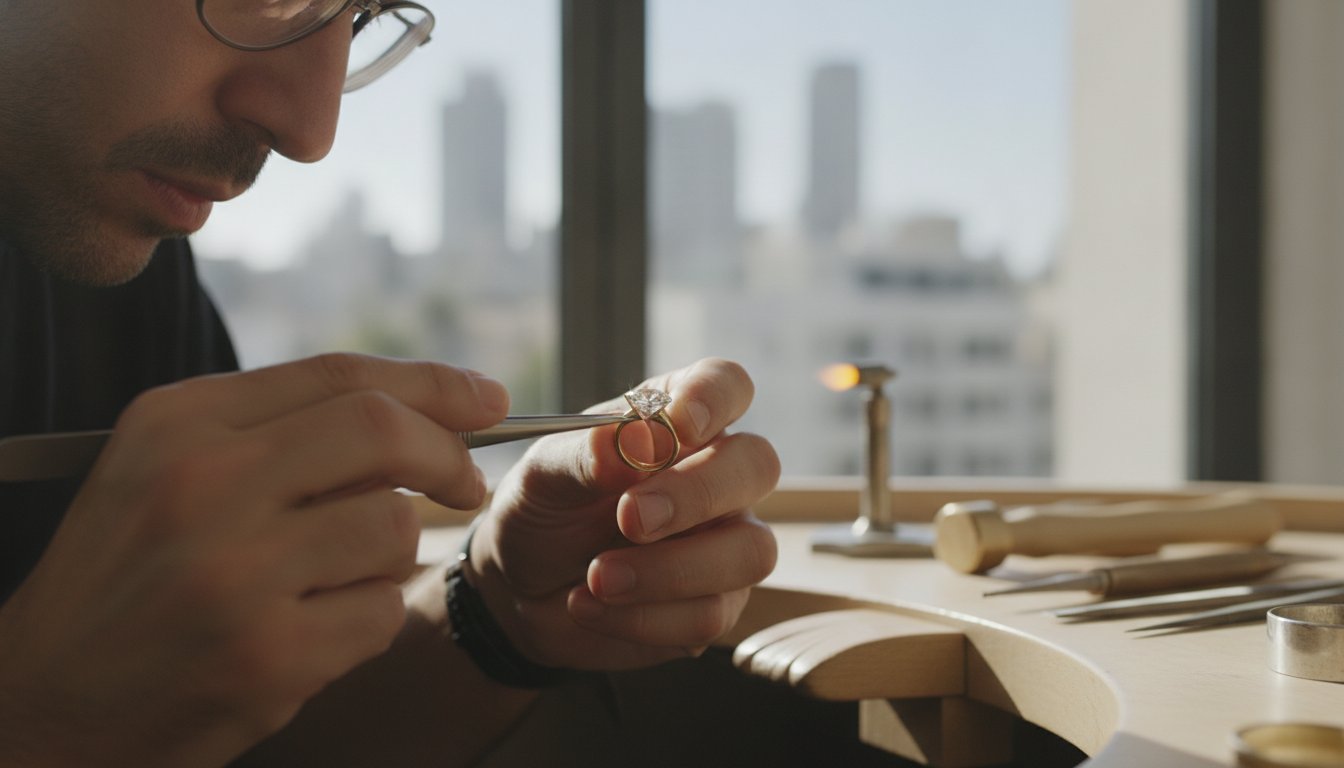
What if the most expensive part of your new diamond ring has nothing to do with the diamond itself? When you step into a high-end boutique in Tel Aviv, you aren’t just paying for the weight of the gold; you’re often paying for the storefront’s rent and the glossy marketing campaigns. It’s a common frustration to feel like a brand name is eating up half of your budget before you even consider the stone. Understanding the value of handcrafted jewelry in Israel starts with realizing that true luxury doesn’t require a designer logo or an intimidating sales environment.
We know how overwhelming it is to stare at a price tag of ₪20,000 and wonder if you’re getting a fair deal or just paying for prestige. You deserve a piece that celebrates your personal history with grace and integrity. This article will show you how to secure high-end 18K gold and diamond jewelry for a fraction of big-brand prices. We’ll explore the transparency of lab-grown diamonds, the superiority of 18K gold over standard mall offerings, and how a direct connection with a modern artisan ensures you get a custom piece at a price that actually makes sense.
Key Takeaways
- Identify the “luxury tax” hidden in high-end Tel Aviv boutiques so you don’t pay for a brand’s marketing and prime real estate.
- Discover how lab-grown diamonds offer the same visual brilliance as natural stones while significantly reducing your investment in the 2026 market.
- Realize the value of handcrafted jewelry in Israel by opting for 18K gold, which provides superior purity compared to the 14K options found in many retail chains.
- Learn the process of collaborating directly with an artisan to create a custom piece that prioritizes your budget and personal story over corporate profit.
The Israeli Jewelry Landscape: Big Brands vs. Independent Artisans
Israel holds a storied position in the world of fine jewelry, anchored by the historic Diamond industry in Israel centered in Ramat Gan. For generations, the market was dominated by a few prestigious names like Padani or H. Stern. These brands became symbols of status within Israeli society, representing milestones like weddings, anniversaries, or significant birthdays. While their legacy is undeniable, the way we perceive luxury is evolving. In 2026, the allure of a blue or gold box is fading as consumers look deeper into the actual components of their purchases.
The rise of the modern artisan studio marks a significant shift in the local market. Today’s jewelry lovers are increasingly skeptical of the “prestige markup” found in high-end boutiques. They’re choosing to invest in the quality of the materials rather than the jeweler’s marketing budget. The value of handcrafted jewelry in Israel is found in the transparency of the process and the ability to speak directly with the person shaping the gold. It’s about finding a piece that feels like a protective emblem of your own story, rather than a mass-produced item worn by thousands of others.
The Mall vs. The Studio Experience
Walking through a high-rent district like Mamilla Mall in Jerusalem or the luxury floors of a Tel Aviv shopping center is an experience designed to justify a high price tag. The overhead for these prime locations is immense, and that cost is quietly passed on to you. Corporate environments can often feel intimidating or clinical, turning a joyful purchase into a cold transaction. When you focus on choosing the best jewelry store near you, the goal is to find a celebratory and intimate atmosphere. Independent studios prioritize this personal connection, making the creation of your jewelry a meaningful part of the object’s history.
Understanding Gold Standards in Israel
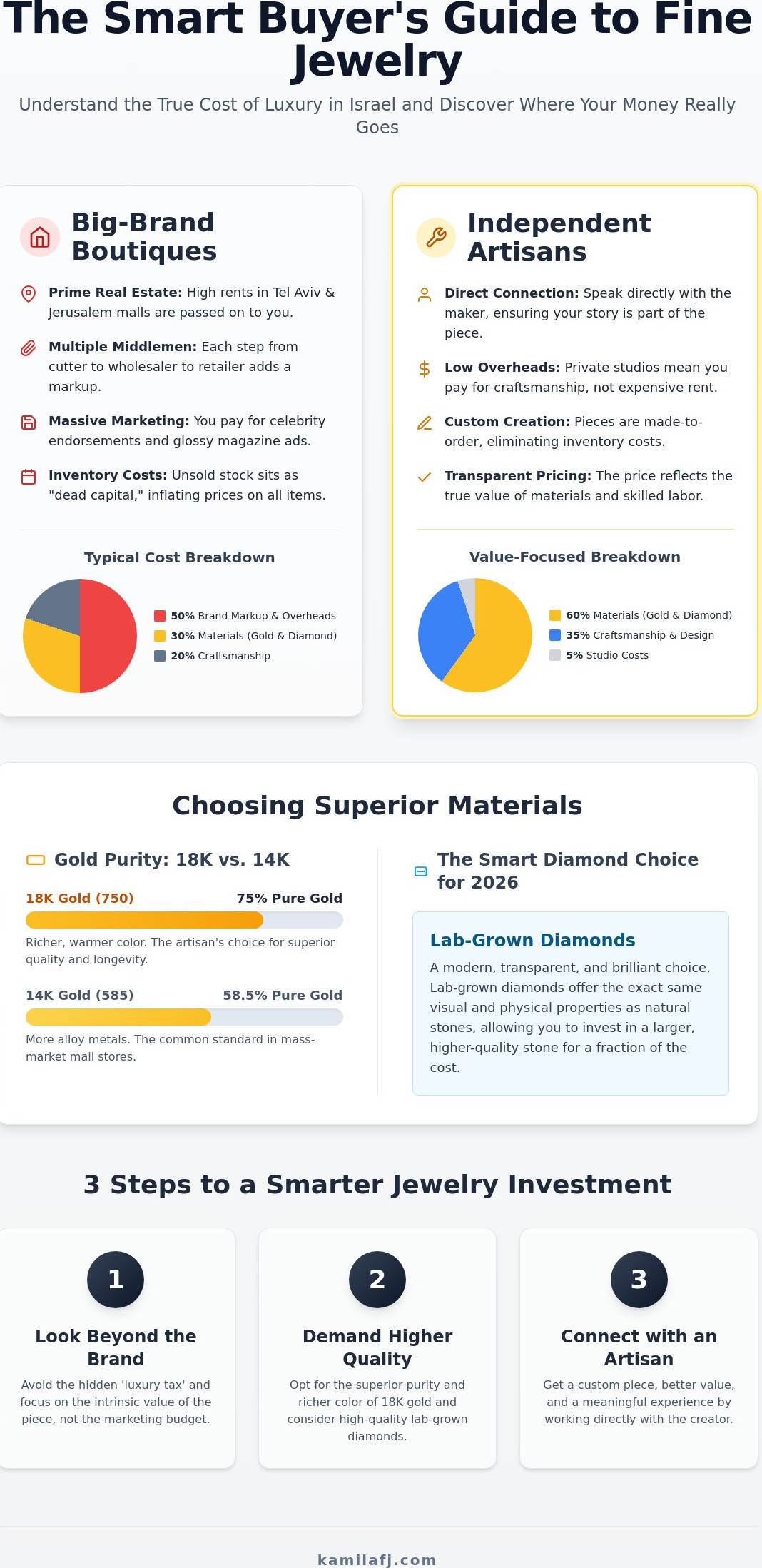
While 14K gold is the standard in most Israeli mall stores, independent artisans often elevate their work by using 18K gold. This choice isn’t just about prestige; it’s about the tangible quality of the piece. 18K gold contains 75% pure gold, resulting in a richer, warmer color that 14K simply cannot match. It’s the preferred choice for those who want their jewelry to feel substantial and hold its value over decades. To ensure you’re getting exactly what you pay for, look for pieces that align with the Standards Institution of Israel (SII) hallmarking guidelines. These marks, such as the ‘750’ stamp for 18K, provide peace of mind that your modern heirloom meets international purity standards.
- 14K Gold (585): Contains more alloy metals, common in mass-market retail.
- 18K Gold (750): Higher gold content, offering a more luxurious finish and greater longevity.
- Handcrafted Detail: Artisans can ensure structural integrity that mass-production machines often overlook.
Decoding the Markup: Why Big Brand Jewelers Charge More
Israel is a leading world diamond manufacturing and trading center, yet domestic retail prices often don’t reflect this local proximity. When you walk into a prestigious boutique, you’re often paying what insiders call a “luxury tax.” This isn’t a government fee; it’s the cost of celebrity faces on billboards along the Ayalon Highway and the glossy spreads in weekend supplements. When a brand spends millions on global marketing and endorsements, that cost is distributed across every 18K gold ring in their display case. You’re effectively paying for their fame before you even consider the diamond’s clarity.
Location plays a massive role in the final price tag you see in Israeli Shekels. A boutique in Tel Aviv’s Ramat Aviv Mall or Jerusalem’s Mamilla district pays some of the highest commercial rents in the country. To stay profitable, these stores must apply significant markups to every item. You aren’t just buying a necklace; you’re subsidizing their prime real estate and the air conditioning of a massive showroom. Additionally, big brands maintain huge inventories across multiple branches. This “dead capital” sits in safes for months or years, and the interest on that tied-up money is built into your purchase price.
The middleman problem further inflates costs in the traditional retail model. A ring might move from a cutter to a wholesaler, then to a brand’s regional distributor, and finally to the retail floor. Each hand that touches the piece takes a percentage. By the time it reaches you, the price has ballooned far beyond the value of the materials. This is where the value of handcrafted jewelry in Israel becomes clear. By working directly with a studio, you cut out these unnecessary layers and ensure your budget goes directly into the artistry and the stone.
The Cost Components of a Fine Ring
In a traditional retail setting, raw materials like gold and diamonds might only account for a small fraction of the total price. The rest is brand equity. Artisanal studios focus their resources on hand-setting and structural integrity rather than mass-produced cast settings that can feel hollow or light. While a mall brand often applies a markup of 300% or more, a direct designer focuses on a fair price for the craft itself. If you’re looking for an intimate alternative to corporate retail, focusing on the material quality is the first step toward a smarter investment.
Marketing and Packaging: The Illusion of Value
A velvet box and a heavy shopping bag feel luxurious in the moment, but they add zero value to the jewelry itself. The shift toward “quiet luxury” in 2026 emphasizes that true quality doesn’t need loud packaging to prove its worth. By stripping away the fluff, you can redirect your budget toward a higher-clarity stone or a more substantial 18K gold setting. This approach ensures your investment stays in the piece you wear every day, rather than in the packaging that eventually sits forgotten in a drawer.
- Retail Markup: Often 3x to 5x the cost of production.
- Artisan Pricing: Reflects material costs plus a fair labor fee for the maker.
- Inventory Cost: Big brands charge you for the items that *don’t* sell.
Lab-Grown Diamonds: The Smart Way to Save in 2026
Choosing a diamond in Israel used to mean choosing between an eye-watering price tag and a stone so small it lost its impact. In 2026, the conversation has shifted. Lab-grown diamonds have emerged as the ultimate solution for those who want brilliance without the inflated cost of traditional mining. These stones are not “fakes” or “simulants.” They are chemically, physically, and optically identical to natural diamonds. The FTC guidelines on jewelry marketing have long supported this transparency, ensuring consumers know they’re buying a real diamond that simply started in a laboratory rather than the earth.
For the modern Israeli consumer, particularly in design-forward hubs like Tel Aviv, the appeal goes beyond the wallet. There is a growing movement toward conscious luxury. People want pieces that reflect their values as much as their style. Lab-grown diamonds require no new mining, making them a favorite for those who prioritize sustainability. When you combine these stones with 18K gold, the value of handcrafted jewelry in Israel becomes undeniable. You’re investing in a piece that is ethically sound, visually stunning, and crafted to last a lifetime.
Understanding certification is key to making a smart purchase in the local market. Most high-quality lab diamonds in Israel come with reports from the International Gemological Institute (IGI) or the Gemological Institute of America (GIA). These certificates grade the stone on the same “Four Cs” as natural diamonds: Cut, Color, Clarity, and Carat weight. Reading these reports allows you to compare stones objectively, ensuring you aren’t overpaying for a brand name when the technical specs tell the real story of the diamond’s beauty.
Price Comparison: Lab vs. Natural in Israel
The most immediate benefit of choosing lab-grown is the ability to get a significantly larger, higher-quality stone for the same budget. In the 2026 market, a one-carat lab diamond of excellent quality can cost between ₪2,700 and ₪5,600, depending on the specific grades. For a natural stone of the same quality, you might pay three to four times that amount. For more technical details on how these stones achieve such fire, you can explore our complete guide to lab diamonds. While some worry about resale value, jewelry for a wedding or a personal milestone is an emotional investment. The joy of wearing a magnificent piece every day far outweighs the speculative “resale” potential of a natural stone that you likely never intend to sell.
Sourcing Stones Sustainably
Ethical sourcing is no longer a niche concern; it’s a standard for the modern artisan. By choosing lab-grown, you bypass the complexities of the global “conflict” stone trade entirely. Israeli designers are increasingly leading the way in these ethical practices, offering full transparency from the lab to the final setting in the studio. This direct supply chain ensures that your ring is a symbol of love and integrity, free from the heavy environmental and social footprint of traditional mining. It’s a way to celebrate life’s most beautiful moments with a completely clear conscience.
3 Tips for Getting a Better Price Without Sacrificing Quality
Outsmarting the retail market requires a shift in perspective. While many shoppers believe that saving money means settling for lower quality, understanding the value of handcrafted jewelry in Israel is actually about making smarter structural choices. By identifying which components drive up costs, you can redirect your budget toward the elements that truly matter. It’s about being an informed buyer who values the integrity of the piece over the prestige of a logo.
- Choose 18K Gold for Longevity: While 14K gold is the standard in many retail chains, 18K gold provides a higher purity that resists tarnishing and maintains a richer color. It’s a better long-term value because the piece requires less maintenance and holds its material worth more effectively.
- Go Direct-to-Designer: Eliminating the retail middleman is the most effective way to save. When you work with an artisan studio, you bypass the layers of wholesalers and the massive markups required to fund high-rent showrooms in Tel Aviv or Jerusalem.
- Negotiate Respectfully: In Israel, dialogue is part of the culture. With an independent artisan, this isn’t about aggressive haggling; it’s about discussing your budget openly. A designer can often suggest creative ways to adjust a setting or source a specific stone to meet your price point without compromising the design’s soul.
Prioritizing the 4Cs Strategically
You can save significantly on engagement rings by “cheating” on specific grades that the naked eye can’t detect. Focus your budget on the “Cut” above all else. A smaller diamond with an “Excellent” cut will outshine a larger, poorly cut stone every time because it reflects light more efficiently. You can often drop to a slightly lower color or clarity grade, such as an H color or VS2 clarity, while still achieving an “eye-clean” look. This approach allows you to secure a breathtaking sparkle while keeping the final cost manageable.
The Timing of Your Purchase
Timing plays a subtle but important role in the local jewelry market. Avoid the “engagement season” price hikes by planning your purchase outside of major holiday windows like Tu B’Av or the peak wedding months. While gold prices fluctuate; currently around ₪398.79 per gram for 24k in July 2026; working with a designer who uses a fixed, transparent pricing model protects you from sudden retail spikes. This transparency ensures you pay for the craft rather than seasonal demand. If you’re ready to find a piece that balances artistry with value, explore our handcrafted collections to see how we prioritize quality over markups.
Custom Fine Jewelry: High-End Craftsmanship Without the Corporate Price Tag
Many shoppers assume that “custom” is a synonym for “expensive.” In reality, the custom design process is one of the most effective ways to control your costs while maximizing the quality of your materials. When you buy a pre-made ring from a corporate brand, you’re paying for a piece designed to sit in a display case for months, often with a massive markup to cover the risk of that inventory. The value of handcrafted jewelry in Israel lies in the efficiency of the direct model. By building a ring or a gold necklace around your specific budget, you choose exactly where to invest your shekels. You can opt for a slightly smaller, higher-quality diamond or a more substantial 18K gold band without paying for the corporate logo attached to it.
Collaborating with an Israeli studio like KaMila Fine Jewellery allows you to bypass the “dead capital” costs that define traditional retail. You aren’t paying for a massive inventory of thousands of rings spread across multiple branches. Instead, your budget goes directly into the 18K gold and the artisan’s time. This direct relationship ensures that every gram of gold and every facet of a lab-grown diamond is chosen with purpose. A minimalist design in 18K gold often looks more sophisticated and expensive than a bulky, lower-quality piece from a mall chain. It proves that elegance is found in the purity of the craft, reframing luxury as a consistent part of your self-expression rather than an occasional indulgence.
Building Your Story Through Customization
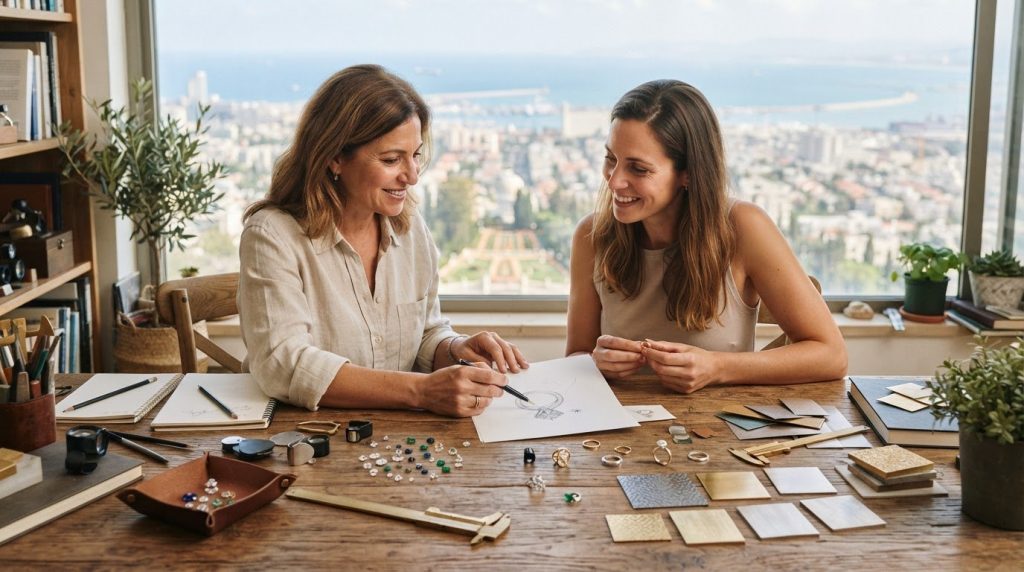
The journey from an initial sketch to a finished piece is a deeply collaborative experience. This is where your personal narrative starts to take physical form. Whether you’re looking for a modern geometric shape or something that incorporates Ashkenazi jewelry motifs, the process is personal and celebratory. These pieces aren’t just accessories; they are modern heirlooms that carry the weight of your history and the joy of your specific milestones. By choosing the value of handcrafted jewelry in Israel, you ensure that your ring tells a unique story that a mass-produced item never could. The result is a piece that feels like a protective emblem, reflecting the duality of strength and delicacy that defines your identity.
Why KaMila Fine Jewellery is the Alternative to Big Brands
KaMila Fine Jewellery offers a thoughtful alternative to the traditional retail model by putting the wearer’s identity at the center of every creation. We prioritize 18K gold as our standard because we believe in the superior purity and durability it offers our clients compared to common 14K mall options. Our focus on sustainable lab-grown diamonds ensures that your investment is both ethical and visually brilliant. Our pricing is transparent; it reflects the true cost of materials and high-end skill rather than the overhead of a luxury showroom. We believe that high-end craftsmanship is for making daily life special, providing you with a piece that is both creative and grounded.
Investing in Your Story with Confidence
Securing a piece of fine jewelry should be a celebration, not a compromise. We’ve explored how the high-rent boutiques of Tel Aviv and the massive marketing budgets of global brands create an artificial floor for pricing. By choosing lab-grown diamonds and prioritizing 18K gold, you ensure your investment stays within the materials and the craft itself. The value of handcrafted jewelry in Israel is found in this transparency; it’s the ability to work directly with an artisan who values your story as much as the sparkle of the stone.
Whether you’re looking for a modern heirloom or a daily expression of self, custom design offers the flexibility to build around your budget without sacrificing the luxury you deserve. You don’t need to pay for a corporate logo to own a piece that feels deeply personal and masterfully made. It’s time to step away from the mall markup and toward a more meaningful way of collecting fine jewelry.
Design your dream piece with KaMila: Handcrafted 18K gold without the brand markup
Frequently Asked Questions
Is jewelry cheaper in Israel than in the US or Europe?
Jewelry is often significantly more affordable in Israel because the country serves as a global diamond hub and manufacturing center. By buying locally, you bypass the import duties and multiple layers of international distribution that typically inflate retail prices in the US or Europe. You also benefit from direct access to artisan studios, though you must account for the 18% VAT rate effective as of 2025.
How do I know if the gold is real when buying from an independent Israeli jeweler?
Authentic gold jewelry in Israel should be stamped with an official hallmark, such as ‘750’ for 18K gold or ‘585’ for 14K. While the hallmarking system overseen by the Standards Institution of Israel (SII) is voluntary, reputable independent designers use these marks to guarantee metal purity. You can also request a certificate of authenticity or a technical specification sheet from the studio to verify the materials used in your piece.
Why should I choose 18K gold over 14K gold for an engagement ring?
18K gold contains a higher percentage of pure gold at 75%, which results in a richer, warmer color that 14K gold cannot match. This higher purity makes the metal more resistant to tarnishing and provides a more luxurious feel for a piece intended to last a lifetime. Choosing 18K gold is a key way to ensure the value of handcrafted jewelry in Israel, as it represents a superior standard for modern heirlooms.
Can I get a custom engagement ring made in Israel for under ₪10,000?
Yes, it is entirely possible to create a custom engagement ring for under ₪10,000 by making smart material choices. Focusing on a minimalist 18K gold setting or selecting a high-quality lab-grown diamond can help you stay within this budget without sacrificing beauty. Working directly with an artisan ensures your investment goes into the stone and the craft rather than corporate markups or retail rent.
Are lab-grown diamonds popular in the Israeli jewelry market?
Lab-grown diamonds are seeing a massive surge in popularity across Israel in 2026, especially among younger, conscious consumers. People in design hubs like Tel Aviv appreciate the ethical transparency and sustainable nature of these stones. Since they offer the same chemical and visual brilliance as natural diamonds for a fraction of the cost, they have become a staple for those seeking high-end luxury at a fair price.
Is it safe to buy fine jewelry online from an Israeli studio?
Buying fine jewelry online from an Israeli studio is safe if you choose a designer with a secure payment gateway and clear return policies. Many local artisans provide detailed digital consultations and high-resolution photography to ensure the piece meets your expectations before it’s shipped. Professional studios also use insured, tracked shipping methods to guarantee that your 18K gold or diamond piece arrives safely at your door.
What is the standard markup for big brand jewelers in Israel?
Big brand jewelers in Israel often apply markups between 300% and 500% to their pieces. These high prices are necessary to fund prime retail locations in districts like Jerusalem’s Mamilla Mall and expensive celebrity marketing campaigns. Independent studios bypass these massive overhead costs, allowing them to offer identical or superior quality materials at a price that reflects the actual value of the gold and stones.
How can I compare the quality of different Israeli jewelry designers?
Compare designers by looking at their technical standards, such as their preference for 18K gold and the certifications of their diamonds. Examine the fine details of their work, like the security of the settings and the polish of the metal, which indicate a high level of artisanal skill. Understanding the value of handcrafted jewelry in Israel involves looking past the brand name to evaluate the tangible integrity and longevity of the craftsmanship itself.
Related Posts
Jewelry Design in Haifa: What to Expect in 2026
-
Posted by
מילה קלר
If you’re searching “jewelry design consultation in Haifa what to expect,” you may be wondering what to bring, which decisions you’ll need to make,…
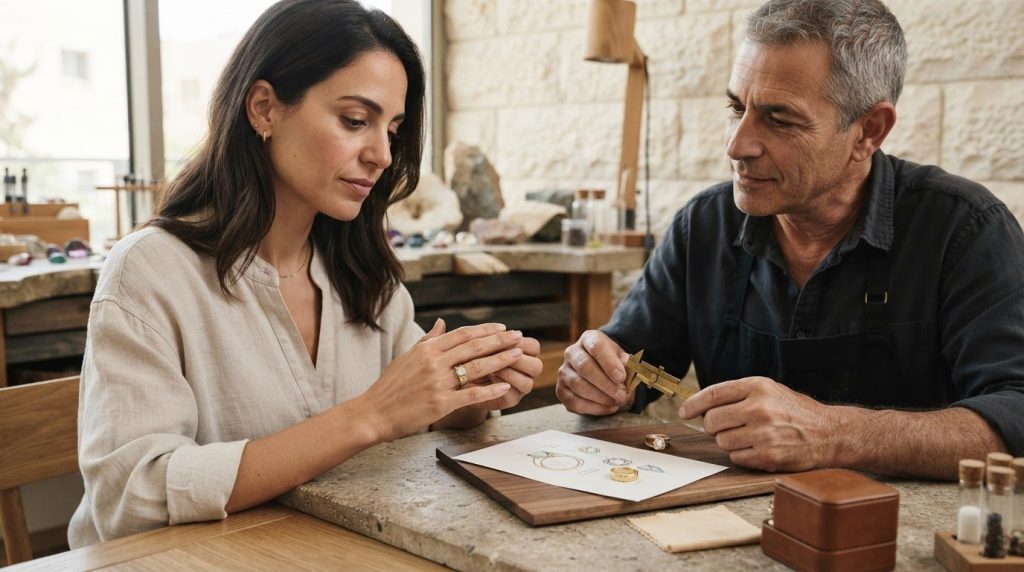
Unhappy With Your Final Custom Ring? Here’s What to Do Next
-
Posted by
What if I’m unhappy with my final custom ring, even though I approved the design? A finished piece can feel different on your hand than it did in a…
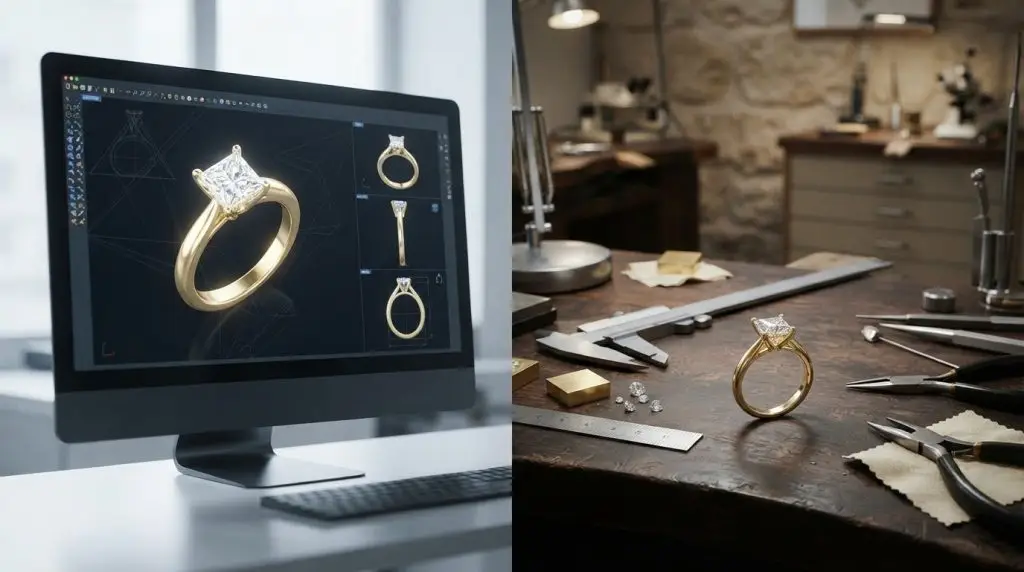
Ensuring Your Final Ring Matches the 3D Render
-
Posted by
What if the image you approved is a beautiful preview, but not a complete specification for the ring being made? Ensuring the final ring matches the…
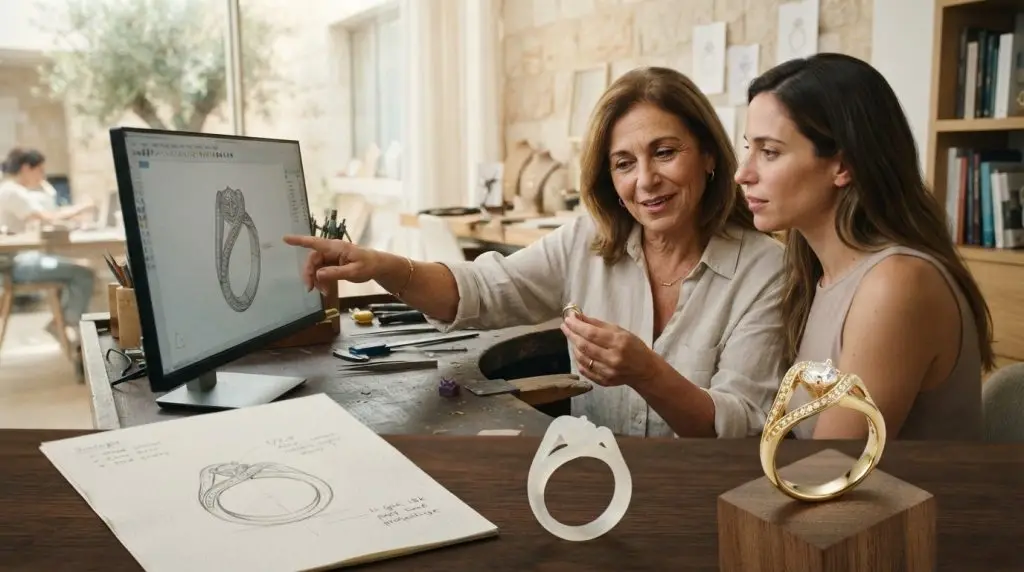
From Sketch to Sparkle: Ensuring the Final Piece Matches Your Jewelry Design
-
Posted by
You’ve spent weeks dreaming of a ring that captures your story, but as you look at the artist’s rendering, a small doubt creeps in. Will that…
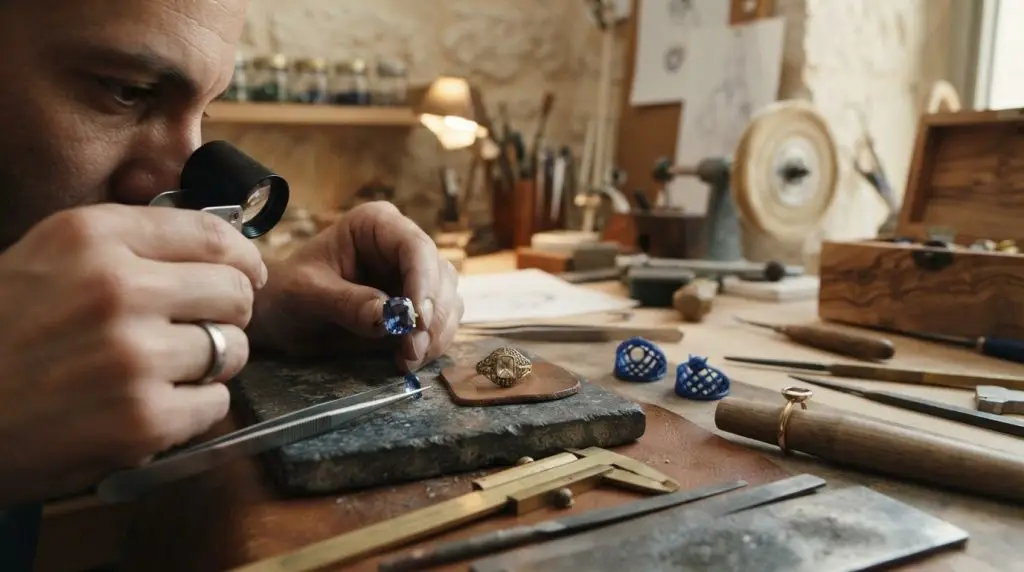
Repurposing Heirloom Stones into Modern Custom Jewelry: The Complete 2026 Guide
-
Posted by
What if keeping an inherited ring tucked away in a dark jewelry box isn’t protecting your family history, but silencing it? It’s completely natural…
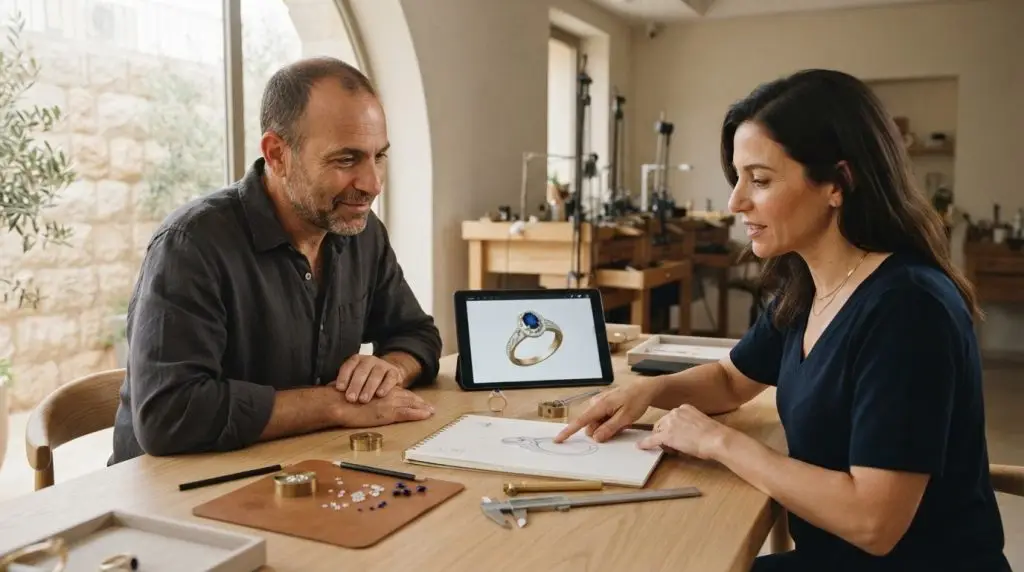
How to Give Constructive Feedback on a Jewelry Design: A Client’s Guide
-
Posted by
What if telling your jeweler you dislike a detail isn’t an insult, but the exact spark they need to craft your dream heirloom? When you first open…
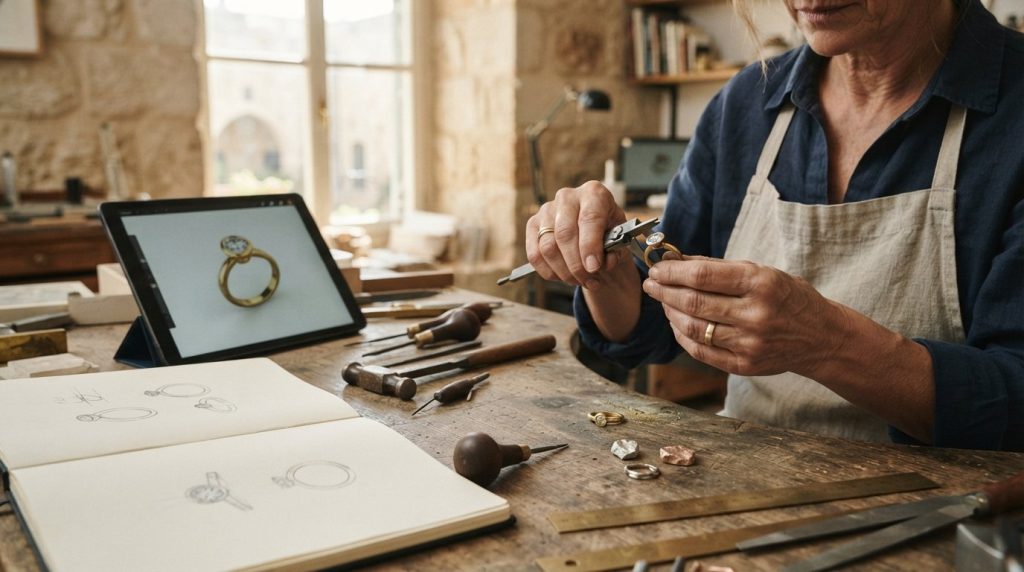
Designing a Custom 18k Gold Ring: 2026 Bespoke Guide
-
Posted by
What if the most exquisite jewelry you ever own isn’t reserved for formal galas, but crafted to enrich your daily life? When you start exploring…
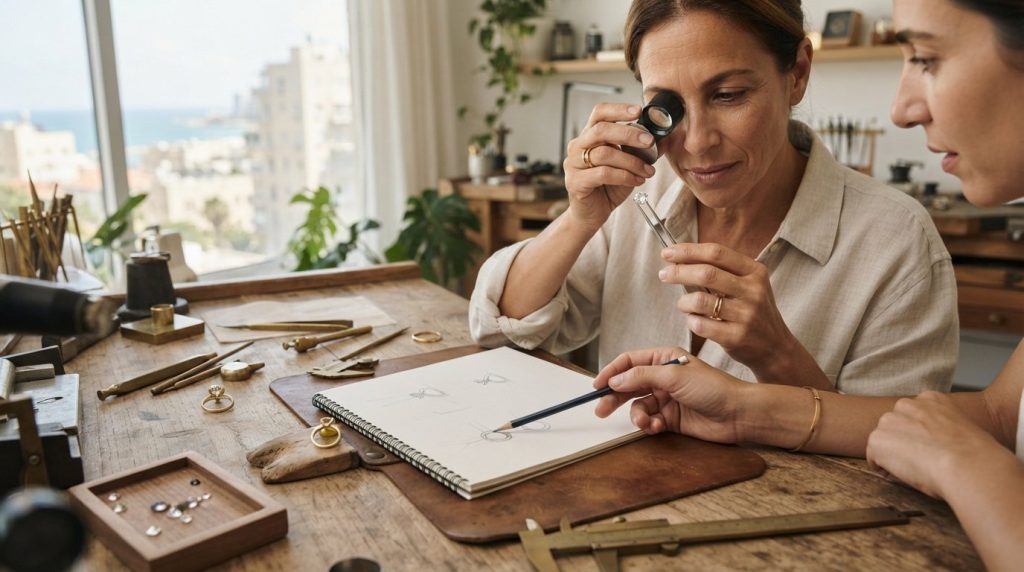
Finding an English-Speaking Custom Fine Jewelry Designer in Israel: A Complete Guide
-
Posted by
Your most cherished jewelry shouldn’t just be an accessory; it’s a piece of your history that deserves to be understood without a translator. When…
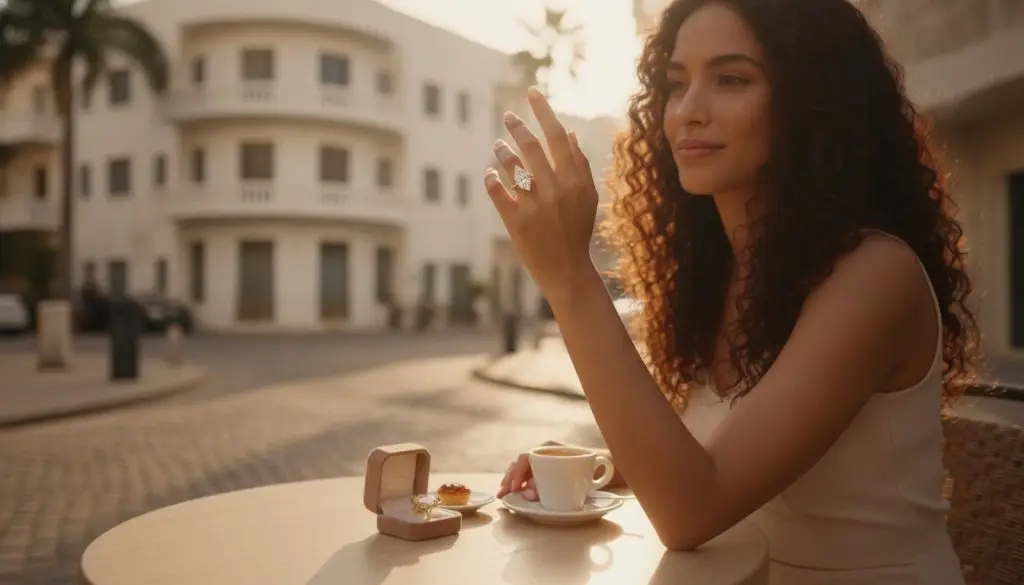
How to Convince Your Husband to Upgrade Your Wedding Ring
-
Posted by
What if your wedding ring wasn’t just a relic of who you were when you said “I do,” but a luminous reflection of the woman you’ve become today? Many…
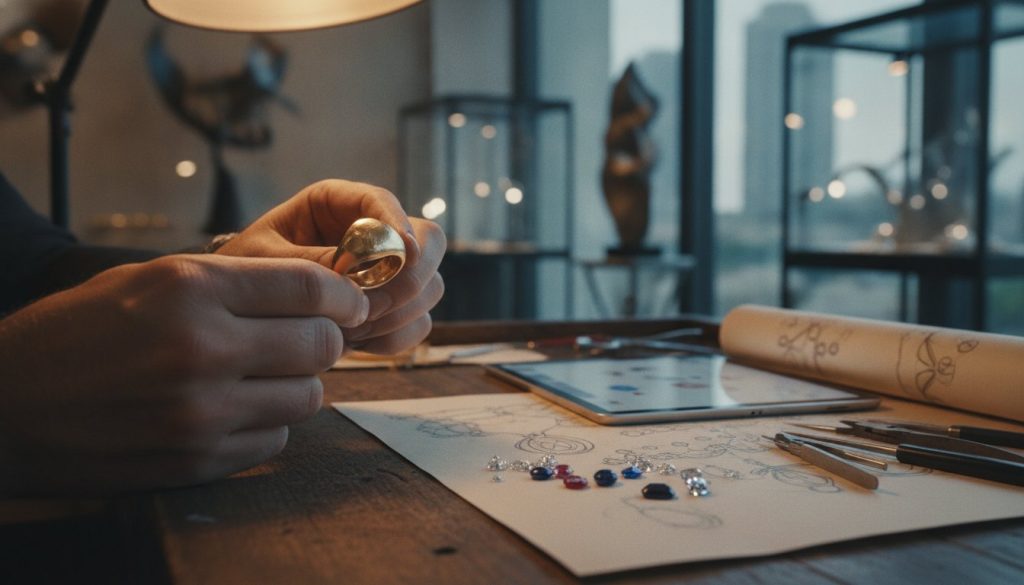
Red Flags When Choosing a Custom Jewelry Designer: A 2026 Guide to Protecting Your Vision
-
Posted by
Imagine spending months dreaming of a bespoke 18k gold ring, only to open the velvet box and find a piece that feels like a generic retail cast…
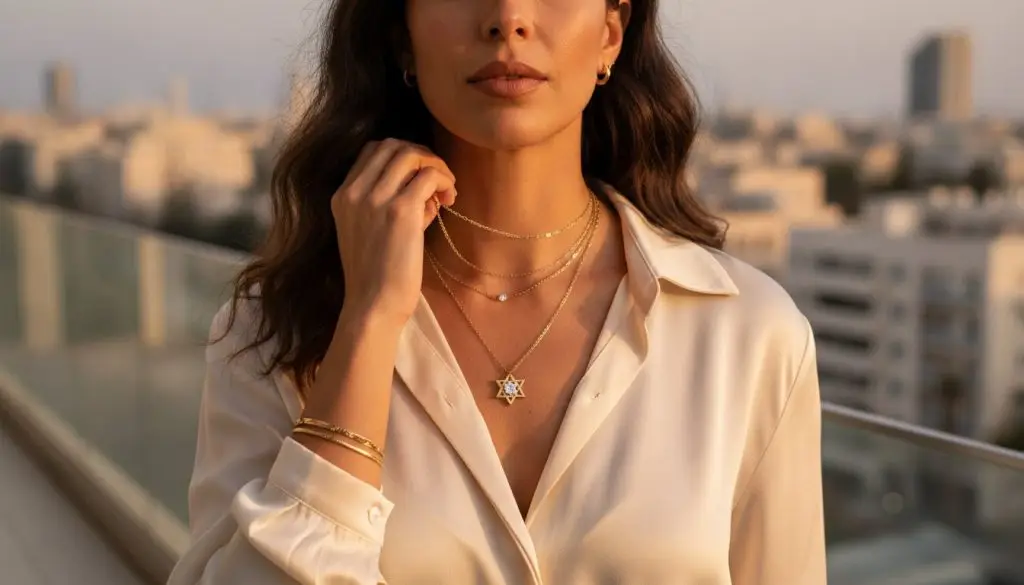
Jewelry That Makes Me Feel Protected and Strong: A Guide to Modern Talismans
-
Posted by
Most people view a necklace or a ring as a simple finishing touch, but for the modern woman, it’s often the first layer of emotional armor she puts…
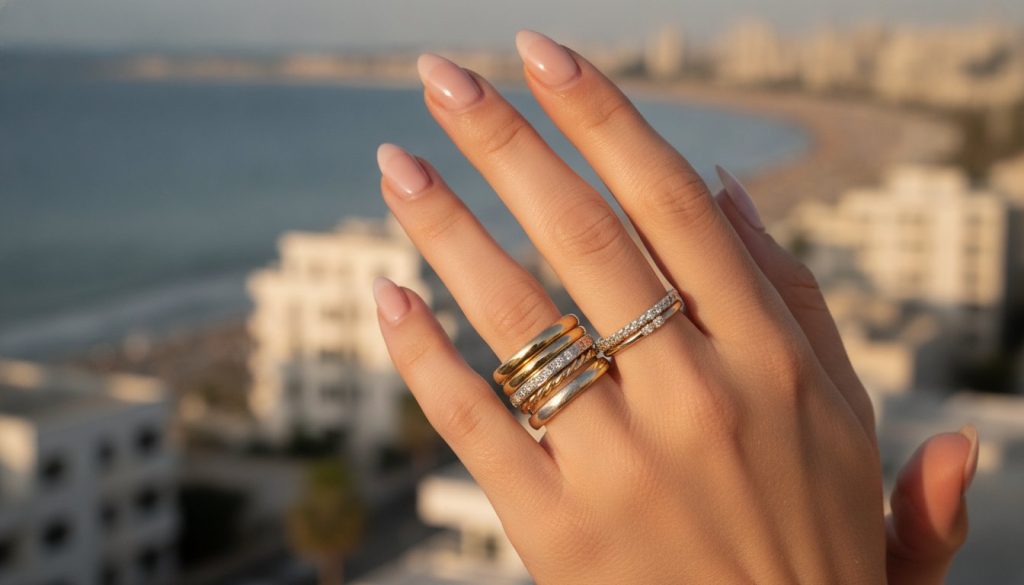
How to Stack Rings: The Art of Curating Your Personal Story in 18K Gold
-
Posted by
What if your jewellery box wasn’t just a collection of objects, but a living timeline of your most cherished milestones? You’ve likely looked at a…