
Blog
Earrings for New Piercings: A Guide to Healing in 18k Gold
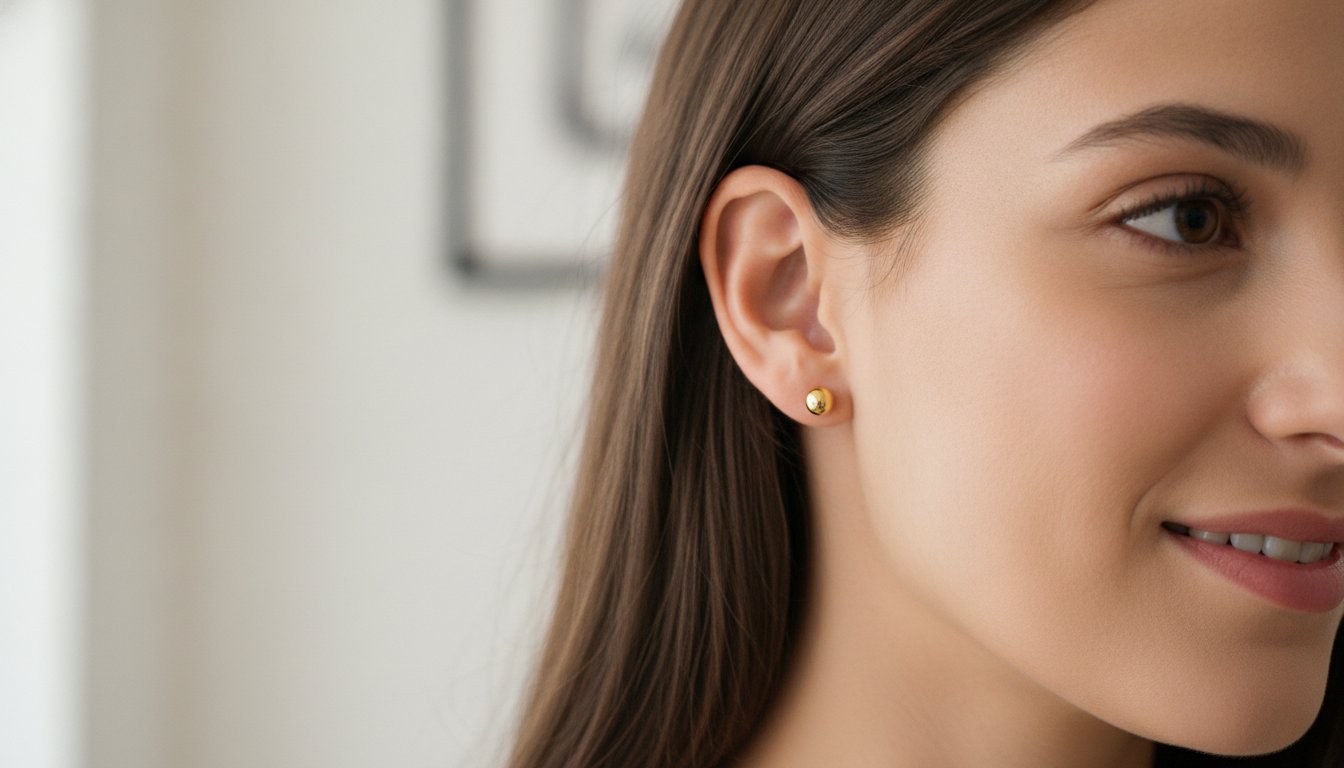
What if the very first piece of jewelry you wear in a new piercing could be as breathtaking as the heirlooms you plan to collect for years to come? Many people hesitate to start their collection because they fear the “starter stud” phase, worrying about clinical-looking metals or the 10 to 20 percent global chance of a nickel allergy reaction. Finding the perfect earrings for new piercings shouldn’t mean sacrificing your aesthetic for safety. It’s a common anxiety to feel stuck between medical necessity and the desire for modern, sophisticated style.
You deserve a healing process that feels like a celebratory expression of your identity. Choosing 18k gold allows you to enjoy handcrafted, minimalist elegance from the very first moment while ensuring your skin remains calm. This guide explores why high-purity gold is a superior, hypoallergenic choice for your body. We’ll also share clear instructions on how to avoid infection and explain how 18k gold provides the most celebratory environment for your new piercing to thrive.
Key Takeaways
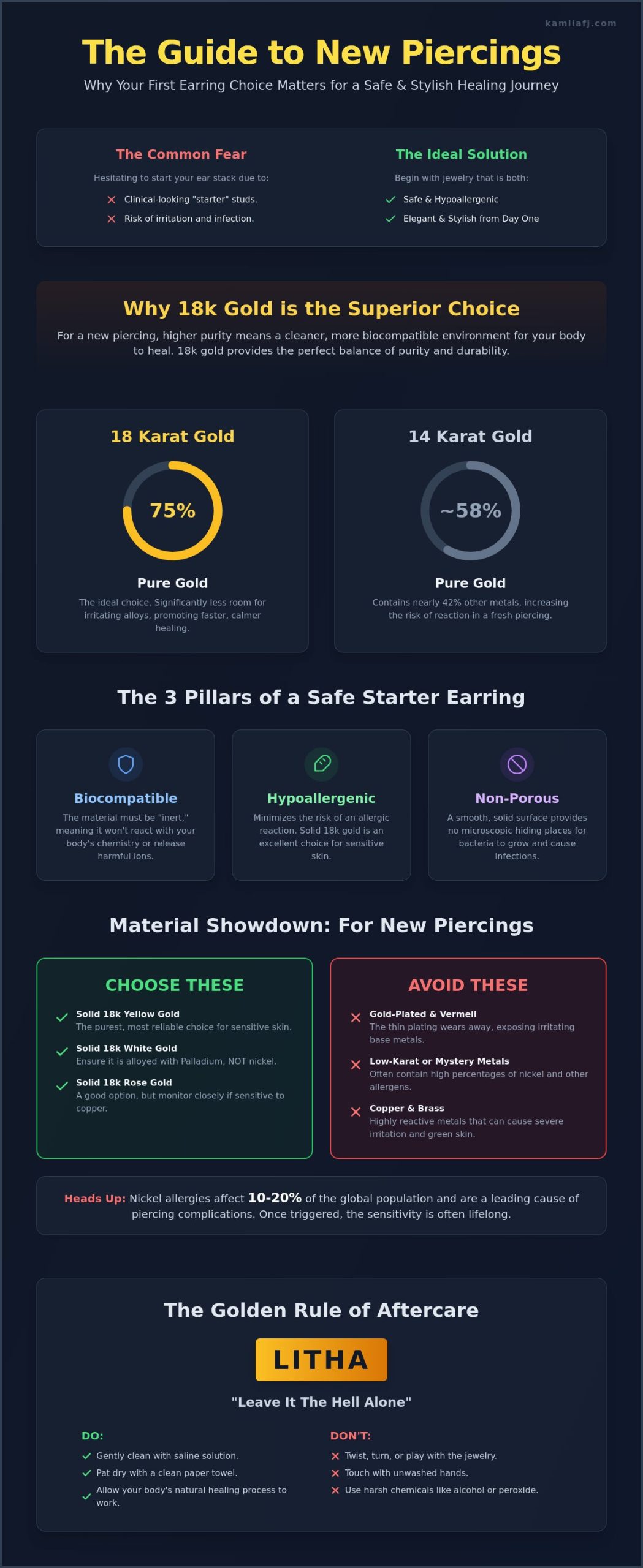
- Learn why 18k gold is the superior hypoallergenic choice for earrings for new piercings, offering 75% purity to minimize irritation during the delicate healing phase.
- Understand the essential design features of a safe starter stud, including hand-polished posts and specific lengths that accommodate initial swelling.
- Master the “LITHA” aftercare philosophy to ensure your healing journey remains as smooth and uncomplicated as the jewelry itself.
- Discover how to curate a permanent ear stack that blends artisanal craftsmanship with ethical lab-grown diamonds for a look you’ll never want to take off.
What Makes an Earring Safe for a New Piercing?
The first spark of a new piercing is more than a style choice; it’s the beginning of a personal narrative etched into your skin. This process is delicate. It requires an environment that’s not just clean, but fundamentally supportive of new tissue growth. Choosing the right earrings for new piercings is the single most important decision you’ll make in this journey. To be truly safe, a piece of jewelry must meet three non-negotiable criteria: it must be hypoallergenic, non-porous, and biocompatible.
Material choice is the primary factor in preventing the dreaded “piercing bump” or persistent infections. When you select a material that the body recognizes as a friend rather than a foe, you reduce inflammation and allow the skin to knit back together smoothly. While many people assume that “starter studs” have to look clinical or industrial, the rise of artisanal fine jewelry means you can begin your story with elegance and integrity without compromising on safety.
Understanding Biocompatibility in Jewelry
Biocompatibility refers to how a material behaves when it’s placed inside living tissue. For a metal to be safe, it must be “inert,” meaning it doesn’t react with your body’s chemistry or release harmful ions into your bloodstream. You can explore the full range of biocompatible piercing materials to see how different elements rank, but the core principle remains the same: your body shouldn’t have to fight your jewelry.
Precious metals like solid gold are naturally more inert than base metals like copper, brass, or mystery alloys often found in fashion jewelry. This is also why you should avoid gold-plated or vermeil pieces for a fresh piercing. Even the most beautiful plating eventually wears down or develops microscopic cracks. When this happens, the base metal underneath seeps into the raw wound, causing irritation that can stall your healing for months. Safe jewelry is non-porous. When a metal is non-porous, it doesn’t provide tiny, microscopic hiding places for bacteria to settle and multiply during the weeks your body is most vulnerable.
The Hidden Danger of Nickel Allergies
Nickel is a common culprit behind piercing complications. Statistics show that roughly 10% to 15% of the population has a sensitivity to this metal. In a healing piercing, a nickel allergy doesn’t just cause a minor itch; it can lead to significant swelling, weeping, and a persistent “raw” feeling that never seems to go away. Once a sensitivity is triggered, it’s often a lifelong condition.
Solid 18k gold is the preferred choice for those with sensitive skin. Because it’s 75% pure gold, there’s very little room for the irritating alloys found in lower-karat options. It’s a thoughtful investment in your comfort, ensuring that your first earrings for new piercings feel as good as they look.
Why 18k Gold is the Ultimate Choice for Healing Ears
Choosing the right material is an act of self-care. 18k gold is composed of 75% pure gold, which leaves significantly less room for the nickel or other reactive alloys often found in 14k or 10k options. When you’re selecting earrings for new piercings, you’re choosing a companion for your body during its most vulnerable state. 14k gold contains only about 58% gold, meaning nearly half of the metal is made of alloys that could potentially irritate fresh tissue. By opting for the higher purity of 18k, you provide a cleaner, more biocompatible environment for your new piercing to thrive.
There’s also a profound aesthetic difference. While titanium is often praised for being inert, it typically carries a cold, industrial grey tint that can feel clinical. 18k gold offers a rich, celebratory warmth that complements the natural glow of your skin from the very first day. It’s also incredibly durable. As you follow standard piercing aftercare guidelines, your jewelry will regularly encounter saline solutions and gentle cleansers. Solid 18k gold won’t tarnish or lose its luster through these necessary rituals, ensuring your style remains as vibrant as the day you were pierced.
Yellow Gold vs. White Gold for New Piercings
Yellow gold is the most traditional choice and is often the purest in terms of its alloy mix. Its sunny hue comes directly from the high concentration of gold, making it a reliable partner for sensitive skin. If you prefer the cool brilliance of silver tones, white gold is a beautiful alternative. However, it’s vital to ensure your white gold is nickel-free. Many artisans use palladium instead of nickel to achieve that bright finish, which is much kinder to healing ears. Rose gold is another romantic possibility, though its copper content means those with specific metal sensitivities should observe their healing closely.
Solid Gold vs. Gold-Filled: A Critical Distinction
It’s easy to be confused by “gold-filled” jewelry, which consists of a base metal core with a thick layer of gold bonded to the outside. While this is superior to simple plating, those layers can still microscopically wear down or crack over time. When that happens, your raw healing tissue is suddenly exposed to the reactive base metal underneath. Investing in solid 18k gold earrings eliminates this risk entirely because the material is consistent all the way through. Solid 18k gold remains a permanent part of your story because its purity ensures it never degrades, making it a safe and beautiful companion for your body for decades. If you’re looking for a piece that honors both your health and your heritage, you can discover our handcrafted jewelry collection.
The Anatomy of a Perfect Starter Earring: Studs and Backings
Beyond the purity of the metal, the physical design of your jewelry dictates how gracefully your body heals. Mass-produced jewelry from piercing guns often features rough, machine-stamped posts that can harbor bacteria. In contrast, handcrafted earrings for new piercings prioritize a mirror-smooth finish. Every post should be hand-polished to eliminate microscopic burrs. This prevents the jewelry from catching on raw tissue, which is a common cause of irritation and prolonged healing times.
Dimensions matter just as much as texture. A professional piercer typically uses a 16-gauge or 18-gauge post, which is slightly thicker than standard fashion jewelry. This ensures a stable, healthy channel for the piercing to form. Length is equally critical. Initial swelling is a natural part of the body’s response to a new piercing. Your starter studs must have extra post length to accommodate this without the jewelry becoming tight or embedding into the skin. Choosing high-quality materials helps prevent a nickel allergy from jewelry, but the right fit ensures the tissue can breathe and recover without unnecessary pressure.
Flat-Back Studs vs. Butterfly Backs
The traditional butterfly back is a relic of the past that often does more harm than good. These backings are notorious for trapping hair, soap residue, and bacteria against the back of the ear. They’re also uncomfortable to sleep on. The “Nap Earring” revolution has popularized flat-back studs, which sit flush against the skin. This design is more hygienic and significantly more comfortable for 24/7 wear. For those with active lifestyles, screw-back earrings offer a secure, fine-jewelry alternative that won’t nudge or fall out during your daily rhythm. These design choices transform standard earrings for new piercings into thoughtful tools for recovery.
Why You Should Avoid Hoops (Initially)
While the allure of a delicate ring is strong, hoops are generally unsuitable for a fresh piercing channel. This is often called the “Ring Effect.” Because hoops rotate and move, they drag crust and bacteria into the healing wound, causing constant micro-trauma. This movement can lead to “piercing bumps” or an angled piercing channel that never quite sits right. It’s best to wait until the channel is fully epithelialized, usually several months, before transitioning to a gold hoop or huggie. Exceptions exist for specific placements like the daith or septum, where a ring is functionally necessary, but for lobes and cartilage, the stud remains king.
Essential Aftercare: Protecting Your Piercing and Your Jewellery
Your body is an artist, and the healing process is its masterpiece. Once you’ve chosen the perfect earrings for new piercings, the most powerful tool in your ritual is patience. Modern professional advice has moved away from the aggressive scrubbing of the past. Today, the “LITHA” rule, or Leave It The Hell Alone, is the gold standard. Your body knows how to heal itself; your job is simply to provide a clean, undisturbed environment for it to do so.
A common mistake is the urge to “rotate” the stud. Old-school advice suggested this prevents the skin from sticking, but in reality, it causes micro-tears in the new tissue and drags bacteria into the wound. 18k gold is exceptionally smooth and non-porous, so there’s no need to worry about it adhering to your skin. Avoid harsh chemicals like rubbing alcohol or hydrogen peroxide. These are too abrasive for new cells and can actually delay healing by drying out the area. Stick to gentle, professional-grade solutions that respect your body’s natural chemistry.
Daily Cleaning Ritual for 18k Gold
To keep your 18k gold sparkling and your skin calm, use a sterile saline spray twice daily. Simply mist the front and back of the piercing, letting the solution soak for a minute to soften any “crusties.” Avoid homemade salt soaks if possible, as it’s difficult to get the ratio exactly right, and too much salt can irritate the skin. Gently pat the area dry with a clean, disposable paper product after every cleaning. Moisture-loving bacteria thrive in damp environments, so keeping the area dry is just as important as the cleaning itself. Never remove your earrings for cleaning during the first six months because the piercing channel can close almost instantly without the jewelry there to support it.
Signs of Trouble vs. Normal Healing
Distinguishing between normal healing and a true infection is key to a stress-free experience. It’s completely normal to see some redness, minor swelling, and a clear or pale yellow fluid that hardens into crust. This is lymph fluid. It’s a sign that your immune system is working. However, if you experience intense heat, throbbing pain, or a thick green discharge, it’s time to act. Consult your professional piercer first for minor irritations, but seek medical attention if you develop a fever or if the redness begins to spread away from the piercing site. Your health is the foundation of your style.
Investing in high-quality aftercare is the final step in honoring your new look. When you’re ready to add more beauty to your collection, shop our 18k gold earrings designed for lasting elegance and comfort.
Curating Your Story: From Healing to a KaMila Ear Stack
Your journey with jewelry is an evolving narrative, and the first piece you choose acts as the opening chapter. While we often view earrings for new piercings as temporary placeholders, the philosophy of the “Permanent Stack” invites you to choose pieces you never want to take off. This approach transforms a medical necessity into an intimate expression of your personality. By starting with handcrafted 18k gold, you’re not just choosing a safe metal; you’re investing in a foundation of everyday luxury that will remain beautiful for decades.
As your piercing heals, you can begin to weave in touches of ethical brilliance. Incorporating lab-grown diamonds into your stack adds a layer of conscious sparkle that aligns with modern values. The beauty of a curated ear lies in the mix of textures. Pairing minimalist, high-polish 18k gold studs with symbolic charms or delicate geometric shapes creates a look that feels both grounded and artistic. Your first earring eventually becomes a meaningful emblem of a specific moment in your life, blending seamlessly into a growing collection of modern heirlooms.
Designing Your Personal Ear Map
A well-designed ear stack is a balance of proportions and intentionality. A common rule of thumb is to place your larger, more statement-oriented studs in the first lobe and transition to smaller gems or more delicate gold accents as you move up the ear. This creates a visual flow that draws the eye naturally. You might choose the quiet confidence of perfect symmetry, or perhaps you prefer the edgy, contemporary feel of an asymmetrical curated ear. KaMila’s minimalist aesthetic is designed to support this timeless look, ensuring that even as you add new pieces, the overall composition remains sophisticated and uncluttered.
Transitioning to Modern Heirlooms
The transition from a “healing” earring to a permanent part of your stack usually begins with “downsizing.” Once the initial swelling has subsided, typically after six to eight weeks, your piercer will swap your longer starter post for a shorter, more snug-fitting 18k gold post. This prevents the jewelry from snagging and ensures it sits perfectly flush against your skin. This moment often marks the point where you can begin expanding your collection beyond the ear.
Many find that the quality of their earrings for new piercings sets a new standard for their entire jewelry box. You might find yourself drawn to one-of-a-kind gold rings or bracelets that carry the same artisanal integrity as your ear stack. Every piece you add should feel like a direct reflection of your identity. When you’re ready to write the next chapter of your story, we invite you to explore the KaMila Earring Collection for pieces that celebrate the duality of strength and delicacy.
Embrace Your New Chapter in Gold
Choosing the right earrings for new piercings is more than a clinical decision; it’s the first step in a lifelong relationship with your jewelry. By prioritizing the 75% purity of 18k solid gold, you’re giving your body the most biocompatible environment to heal with confidence. You’ve learned that safety doesn’t have to mean sacrificing style. Modern minimalist designs and hand-polished posts ensure your comfort remains as high as your aesthetic standards. Remember that healing is a patient ritual. Following the “LITHA” rule and maintaining a gentle saline routine will protect your new tissue as it transforms into a permanent part of your identity.
Our collection is designed for the modern individual who values both integrity and artistry. Each piece is handcrafted in Israel, offering a nickel-free and hypoallergenic experience that elevates your everyday look from the very first day. We believe high-end craftsmanship should make daily life special, not just the milestones. It’s time to treat your healing process as the celebratory act of self-care it truly is.
Discover Handcrafted 18k Gold Earrings for Your New Story and begin your collection with a piece that truly reflects who you are. Your story is unique, and it deserves to start with brilliance.
Frequently Asked Questions
Can I use 18k gold for a brand new piercing?
Yes, solid 18k gold is an exceptional choice for a brand new piercing. Its high purity level of 75% gold makes it extremely biocompatible and less likely to cause the irritations associated with lower-karat metals. Because it’s naturally inert, it provides a clean and stable environment that helps your body focus on the delicate task of healing new tissue.
How long do I have to wait before changing my starter earrings?
You should generally wait at least 6 to 12 weeks for lobe piercings and up to a full year for cartilage before changing your jewelry. Removing your studs too early can damage the internal channel and cause the piercing to close almost immediately. It’s always best to have your professional piercer check the site before you attempt your first swap.
Is 18k gold better than surgical steel for new piercings?
18k gold is often considered a superior choice because it is a high-purity precious metal rather than a mystery alloy. While surgical steel is common, it can still release small amounts of nickel into the wound during the healing phase. Choosing 18k earrings for new piercings ensures you are wearing a material that is consistently safe and celebratory for your skin.
What should I do if my ear gets infected with a gold earring in?
If you suspect an infection, do not remove the earring, as this can allow the skin to close and trap the infection inside. Continue your saline cleaning routine and contact your professional piercer immediately for an assessment of the area. If you experience a fever or the redness begins to spread, you should seek advice from a medical professional right away.
Are lab-grown diamond studs safe for new piercings?
Lab-grown diamond studs are perfectly safe for new piercings when they are set in solid 18k gold. The diamonds themselves are chemically identical to mined stones and won’t interfere with your body’s recovery process. These ethical gems allow you to begin your ear stack with a touch of brilliance and integrity from the very first day of your journey.
Can I sleep in my new piercing earrings?
You must sleep in your new piercing earrings every night for at least the first year to prevent the channel from shrinking or closing. To stay comfortable, we recommend choosing flat-back studs that sit flush against your skin. This artisanal design prevents the post from poking into your neck and keeps the jewelry from snagging on your bedding while you rest.
Why is my new piercing still sore after two weeks?
It’s normal for a new piercing to remain tender for several weeks as the internal fistula begins to form. Persistent soreness is often caused by micro-trauma from accidental snagging, sleeping on the ear, or using cleaning products that are too harsh. If the pain is accompanied by intense heat or throbbing, visit your piercer to ensure the jewelry length is still appropriate for your swelling.
What is the difference between 14k and 18k gold for sensitive ears?
The primary difference lies in the purity of the metal; 18k gold is 75% pure, while 14k gold is only about 58% pure. This higher gold content in 18k leaves much less room for base metal alloys that can trigger sensitivities or allergic reactions. For those looking for the best earrings for new piercings, 18k gold offers the most hypoallergenic and luxurious environment for raw tissue to thrive.
Related Posts
Jewelry Design in Haifa: What to Expect in 2026
-
Posted by
מילה קלר
If you’re searching “jewelry design consultation in Haifa what to expect,” you may be wondering what to bring, which decisions you’ll need to make,…
From Sketch to Sparkle: Ensuring the Final Piece Matches Your Jewelry Design
-
Posted by
You’ve spent weeks dreaming of a ring that captures your story, but as you look at the artist’s rendering, a small doubt creeps in. Will that…
Repurposing Heirloom Stones into Modern Custom Jewelry: The Complete 2026 Guide
-
Posted by
What if keeping an inherited ring tucked away in a dark jewelry box isn’t protecting your family history, but silencing it? It’s completely natural…
Designing a Custom 18k Gold Ring: 2026 Bespoke Guide
-
Posted by
What if the most exquisite jewelry you ever own isn’t reserved for formal galas, but crafted to enrich your daily life? When you start exploring…
Red Flags When Choosing a Custom Jewelry Designer: A 2026 Guide to Protecting Your Vision
-
Posted by
Imagine spending months dreaming of a bespoke 18k gold ring, only to open the velvet box and find a piece that feels like a generic retail cast…
Jewelry That Makes Me Feel Protected and Strong: A Guide to Modern Talismans
-
Posted by
Most people view a necklace or a ring as a simple finishing touch, but for the modern woman, it’s often the first layer of emotional armor she puts…
How to Stack Rings: The Art of Curating Your Personal Story in 18K Gold
-
Posted by
What if your jewellery box wasn’t just a collection of objects, but a living timeline of your most cherished milestones? You’ve likely looked at a…
Minimalist Gold Rings: A Guide to Curating Your Timeless 18K Collection
-
Posted by
Your jewelry shouldn’t have an expiration date. Too many of us have felt the frustration of a cherished piece tarnishing or causing skin irritation…
Getting a Better Price Than Big Brand Jewelers in Israel: The Insider’s Guide 2026
-
Posted by
That iconic logo on a shopping bag in a Tel Aviv mall might feel like a mark of quality, but it’s often the most expensive way to buy a memory. When…

18k Gold Earrings for New Piercings: Safe Styling Guide
-
Posted by
What if the most rewarding part of your piercing journey wasn’t the initial appointment, but the moment you finally swap those generic studs for…

18k Gold Minimalist Bracelets: The Ultimate Guide to Timeless Everyday Luxury
-
Posted by
True minimalism isn’t about having less; it’s about requiring more from the few pieces you choose to wear every day. If you’ve ever felt the…

18k Gold Stud Earrings: The Ultimate Guide to Everyday Luxury
-
Posted by
Why should the jewelry you wear every single day be the piece that irritates your skin or loses its radiance before the season even turns? It’s a…