
Blog
Beyond the Solitaire: 7 Meaningful Alternatives to Diamond Engagement Rings
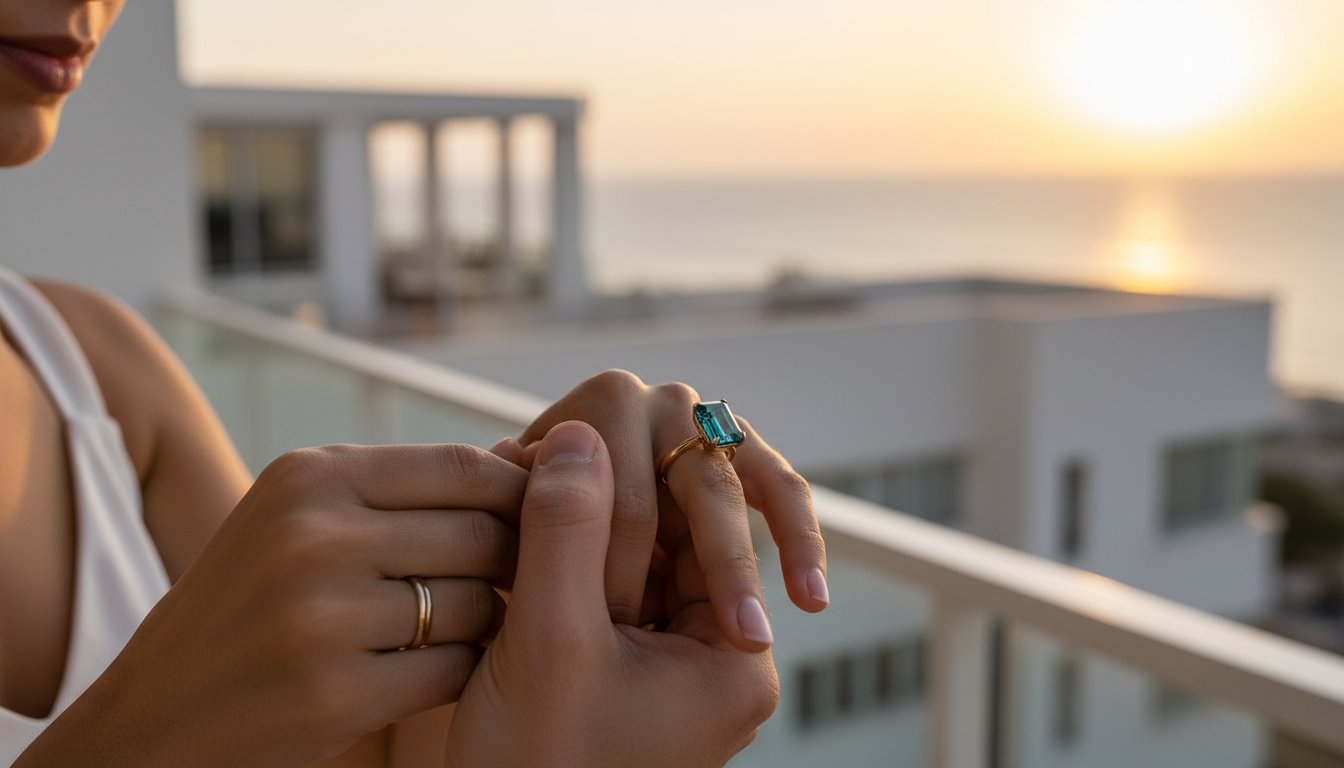
What if the most enduring symbol of your love wasn’t a diamond, but a stone that mirrors the exact shade of the ocean where you first met? You want a piece that feels like “you, in gold,” but it’s natural to worry that certain alternatives to diamond engagement rings might look like costume jewelry or scratch over time. According to a 2023 survey by The Knot, 10% of couples now choose a non-diamond center stone, yet the technical differences between lab-grown gems, moissanite, and sapphires can feel overwhelming. You deserve a “forever” ring that aligns with your values without compromising on durability or artistry. It’s about your story.
Key Takeaways
- Understand why the modern shift toward personal storytelling is making ethical and meaningful ring choices more popular than ever.
- Explore the most brilliant alternatives to diamond engagement rings, including how lab-grown stones and moissanite offer luxury without the traditional price tag.
- Learn how to use the Mohs Scale to select a gemstone that balances breathtaking beauty with the durability needed for everyday wear.
- Discover how to weave your unique narrative into your jewelry using the symbolic power of colored gemstones like sapphires and emeralds.
- Gain insights into crafting a modern heirloom that aligns with your values through ethical sourcing and handcrafted 18k gold artistry.
Redefining Tradition: Why Modern Couples are Choosing Diamond Alternatives
The bridal landscape in 2026 has shifted away from predictable status symbols toward deeply personal storytelling. For many couples, a ring isn’t just a financial asset or a formal accessory. It’s an intimate expression of a shared journey. This evolution is driven by a desire for artistry that feels authentic to the wearer’s life rather than a standard set by decades-old marketing campaigns. People are looking for jewelry that reflects their specific values, blending quiet confidence with a fresh, minimalist design.
Ethical and environmental considerations are at the forefront of this change. Modern consumers are hyper-aware of the impact their purchases have on the planet. Recent industry data shows that over 65% of couples now prioritize sustainability when selecting fine jewelry. This conscious mindset makes alternatives to diamond engagement rings a natural choice for those who value transparency and integrity. They want a piece that carries joy and grace without the weight of ethical uncertainty. It’s a move toward meaningful luxury that celebrates both the power and the softness of the individual.
The Rise of the “Modern Heirloom”
A modern heirloom is a piece that celebrates the wearer’s unique path. Instead of bulky, traditional settings that feel dated, couples are gravitating toward minimalist designs that offer edgy sophistication. These rings are handcrafted to be timeless yet contemporary. The goal is to choose jewelry that makes every day feel special, ensuring the piece is as comfortable during a morning routine as it is during a celebration. It’s about finding beauty in life’s small pleasures and capturing them in gold.
Breaking the “Diamond Only” Myth
The history of engagement rings reveals that the diamond-centric standard is a relatively modern phenomenon, largely popularized in the mid-20th century. Before this, diverse gemstones and intricate metalwork were the norm. Opting for alternatives to diamond engagement rings is a bold, sophisticated move that honors this older, more creative tradition. It’s a validation of personal style over societal expectation. The primary design goal is “You, in Gold,” where the jewelry serves as a mirror to your own identity and artistry. This approach turns the ring into a soulful connection to the person you love and the person you are.
The Best Colorless Alternatives: Brilliance Without the Traditional Price
For couples seeking that classic icy sparkle, the search for the perfect ring often begins with a desire for light and clarity. Choosing alternatives to diamond engagement rings doesn’t mean sacrificing beauty; it means finding a stone that aligns with your values and aesthetic. There are many reasons to choose a diamond alternative, ranging from environmental concerns to the desire for a larger stone within a specific budget. These colorless options offer a sophisticated glow that feels both timeless and modern.
Lab-Grown Diamonds: Brilliance with a Conscience
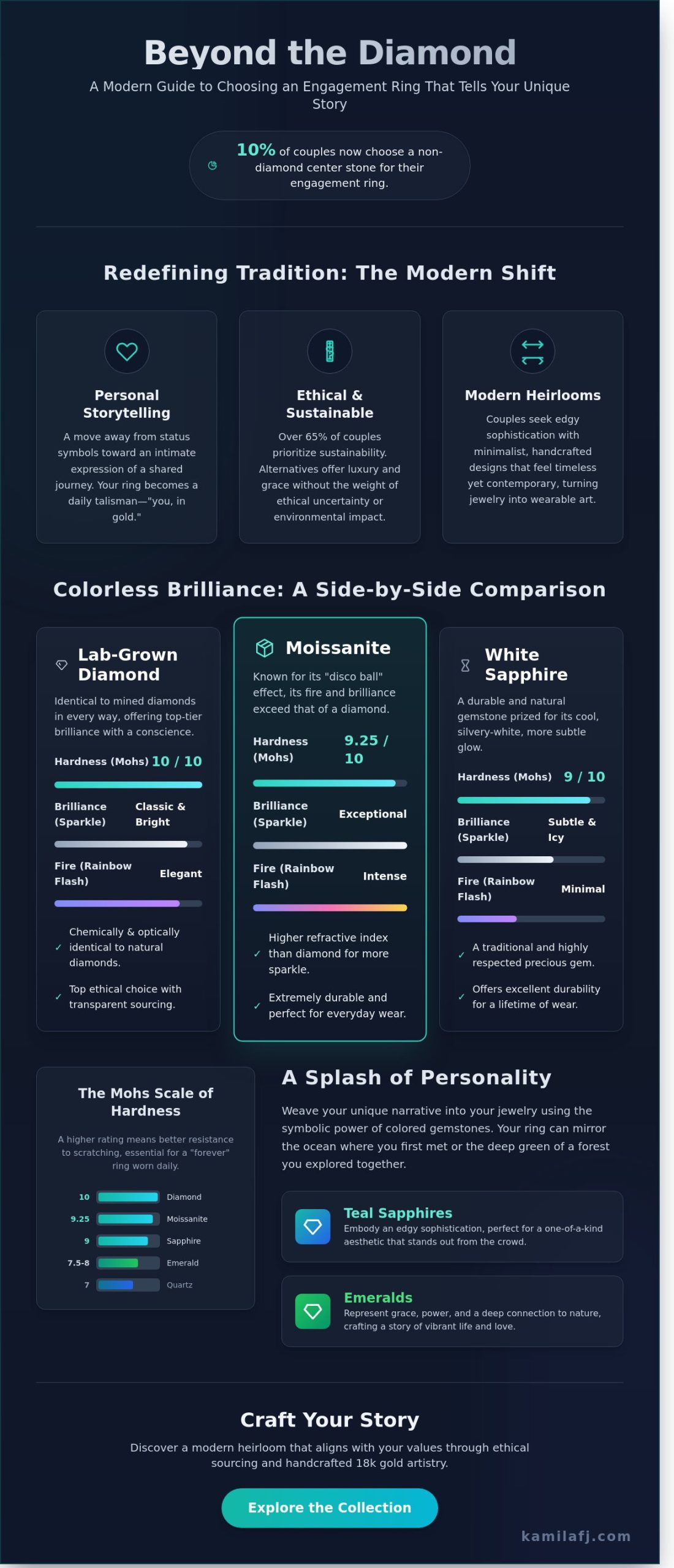
Lab-grown diamonds are a modern marvel of artistry and science. They’re chemically, physically, and optically identical to mined diamonds, sharing the same 10 rating on the Mohs scale of hardness. They represent the top ethical engagement ring alternative because they eliminate the uncertainty often associated with traditional mining. At KaMila, we pair these stones with 18k gold to ensure every piece feels like a meaningful heirloom. The transparency of sourcing is a gift to the modern bride who values integrity as much as elegance. You get the same fire and durability, but with a story that feels entirely light and celebratory.
Moissanite vs. White Sapphire
Moissanite is famous for its “disco ball” effect. Its refractive index is 2.65 to 2.69, which is actually higher than a diamond’s. This makes it incredibly fiery and full of rainbow flashes. It’s the perfect choice for a minimalist 18k gold setting where the stone needs to speak for itself. If you love a bold, high-sparkle look, moissanite is your best ally. It’s also very durable, sitting at a 9.25 on the Mohs scale.
White sapphire offers a different, more quiet story. It has a “watery” clarity and a subtle, understated glow. Instead of rainbow flashes, it provides a deep, sophisticated shimmer. It’s a 9 on the Mohs scale, making it durable for daily wear. Which stone suits you? It depends on your personality. Moissanite is for the woman who wants to shine from across the room, while white sapphire is for the one who prefers a soft, velvet-like brilliance.
- Moissanite Price: According to 2024 market averages, a one-carat moissanite typically costs between $300 and $600.
- White Sapphire Price: A high-quality one-carat white sapphire generally ranges from $800 to $1,500.
- Mined Diamond Price: For comparison, a one-carat mined diamond of similar quality often starts at $5,000.
White Topaz: A Natural Statement
White topaz is a natural silicate mineral that offers a crisp, clean look. It’s a budget-friendly option that works beautifully for larger statement pieces. While it’s slightly softer at an 8 on the Mohs scale, it provides a fresh, minimalist design that feels very contemporary. It doesn’t have the same fire as a lab diamond, but its transparency is stunning in an open-back setting. If you’re looking for a large, clear stone that feels connected to the earth, topaz is a lovely choice. You can explore our handcrafted collection to see how these different stones celebrate the woman who wears them.
Durability Matters: Comparing Gemstone Hardness for Everyday Wear
Selecting alternatives to diamond engagement rings is a journey of self-expression; however, your chosen stone must be as resilient as the bond it represents. An engagement ring isn’t a piece for the jewelry box. It’s a daily companion that encounters door handles, kitchen counters, and the occasional accidental bump. To ensure your ring remains a timeless talisman, you need to understand the physical limits of your chosen gemstone.
The Mohs Scale Breakdown
The Mohs Scale of Mineral Hardness measures a stone’s resistance to scratching on a scale from 1 to 10. For a ring intended for daily wear, a rating of 7 is the absolute minimum. This is because common household dust often contains microscopic particles of quartz, which sits at a 7. If your gemstone is softer than a 7, even the simple act of wiping away a fingerprint could cause micro-scratches that dull the stone over time.
- Diamond (10): The gold standard for hardness and scratch resistance.
- Moissanite (9.25): An exceptional ethical choice that rivals the diamond’s durability.
- Sapphire and Ruby (9): Part of the corundum family, these offer incredible longevity and a rich palette of colors.
- Emerald (7.5 to 8): While beautiful, emeralds often contain internal fractures called a “jardin.” These make the stone more brittle, requiring an edgy sophistication in the setting, such as a protective bezel, to prevent chipping.
Choosing softer stones like Opal (5.5 to 6.5) or Pearl (2.5 to 4.5) for a primary engagement ring is risky. These organic and delicate materials are better suited for “celebration” pieces rather than a ring you wear while gardening or working out. They can easily crack or lose their luster when exposed to the rigors of a modern lifestyle.
Protecting Your Investment
The stone’s hardness is only half the story; the architecture of the ring provides the necessary structural integrity. We recommend 18k gold for most high-end settings. Comprising 75% pure gold mixed with stronger alloys, it offers a perfect balance of rich color and lasting strength. This ensures the prongs remain secure and the band doesn’t warp under pressure.
Modern minimalism isn’t just an aesthetic choice. It’s a functional one. Low-profile settings and “minimalist artistry” keep the stone closer to the finger, reducing the likelihood of snagging on clothing. If you’ve fallen in love with a unique or slightly softer gem, you should consider custom jewelry design. A bespoke setting can be engineered to shield the edges of the stone, blending protective craftsmanship with your personal story.
To keep your alternatives to diamond engagement rings sparkling for decades, follow these simple maintenance steps:
- Remove your ring before heavy lifting or using harsh chemicals.
- Clean it gently with warm water, mild dish soap, and a soft-bristled toothbrush.
- Visit a professional jeweler once a year to check the security of the setting.
A Splash of Personality: Using Colored Gemstones for a Unique Narrative
Choosing a gemstone is an act of storytelling. While diamonds offer a classic brilliance, colored stones invite a deeper, more personal narrative into your daily life. These alternatives to diamond engagement rings allow you to weave your personality into a piece that feels like an extension of your soul. Every hue carries a different energy, turning a simple ring into a meaningful talisman that celebrates your specific journey.
- Emeralds: These lush stones symbolize the energy of growth and the renewal of spring. Their vivid green hue feels both regal and grounded.
- Rubies: As the classic stone of passion, rubies bring a bold vitality. When set in a fresh minimalist design, they offer an edgy sophistication that feels timeless rather than dated.
- Morganite and Aquamarine: These stones are part of the beryl family. Morganite offers a soft, blush-pink glow, while aquamarine provides a crisp, watery blue. They are perfect for a delicate, romantic aesthetic.
Choosing a Stone Based on Symbolism
Selecting a stone is about finding a connection. You aren’t just picking a color; you’re choosing a symbol for your relationship. Blue represents loyalty and calm, while green speaks of prosperity and new beginnings. Many couples today are looking backward to move forward, blending these symbolic stones with Ashkenazi jewelry heritage to create modern heirlooms. This fusion of history and artistry ensures your ring tells a story that spans generations.
Styling Colored Stones with 18k Gold
The metal you choose acts as the frame for your gemstone’s story. 18k yellow gold consists of 75% pure gold, providing a rich, buttery warmth that enhances the fire in peach sapphires and the depth of emeralds. Colored stones are also the perfect foundation for a stackable look. You can start with a central gemstone and add gold bands or smaller pavé pieces over time to mark life’s milestones. If you want to refine your personal aesthetic, our guide on styling fine jewelry offers inspiration on how to curate a look that is uniquely you.
Ready to find a stone that speaks your language? Explore our handcrafted gemstone engagement rings to find your perfect match.
Crafting Your Story: How KaMila Designs Modern Heirlooms
At KaMila Fine Jewellery, we believe your ring should be as unique as your own thumbprint. Our philosophy centers on creating handcrafted 18k gold pieces designed for daily life, not just for a velvet box. We don’t see jewelry as a static accessory; it’s a living part of your narrative. By choosing lab-grown diamonds and ethically sourced gemstones, we provide conscious alternatives to diamond engagement rings that don’t compromise on brilliance or integrity. Our commitment to sustainability ensures that your “forever” piece respects the planet’s future while celebrating your present.
Minimalism is often misunderstood as a lack of detail. For our artisans, it represents refined artistry in its most difficult form. It takes more precision to create a perfect, clean line than it does to hide imperfections under heavy ornamentation. We strip away the noise to focus on the soul of the design. This ensures every curve of gold feels like a natural extension of your hand, offering a fresh perspective on what modern luxury looks like.
The Art of Customization
Transforming a spark of an idea into a tangible heirloom is a collaborative journey that begins with your vision. We work exclusively with 18-karat gold because of its rich, timeless glow and lasting durability. This 75% gold purity provides the perfect balance of luxury and strength for a ring you’ll wear for decades. You can even weave personal symbols into the metal, such as our signature “Beans of Happiness.” These small, sculptural motifs serve as a daily talisman; they remind you of the joy found in life’s quietest moments. Whether you’re modifying an existing design or starting from scratch, the process focuses on creating a piece that celebrates the woman who wears it.
Your Ring, Your Rules
The era of rigid bridal traditions is over. Authenticity is the new standard. Your choice of an engagement ring should reflect your specific values, whether that means a bold lab-grown sapphire or a sleek, stone-free band. When searching for alternatives to diamond engagement rings, prioritize pieces that align with your lifestyle. When you’re ready to decide, use this final checklist to ensure the piece feels right:
- Stone Type: Does a lab-grown diamond or a colored gemstone better reflect your personality?
- Metal Choice: Do you prefer the warmth of yellow gold or the crisp edge of white gold?
- Personal Meaning: What specific story does this piece tell about your journey?
Don’t feel pressured by outside expectations or outdated etiquette. We invite you to explore our full collection of KaMila gold rings to find the design that speaks your language. After all, it isn’t just a piece of jewelry. It’s you, in gold.
Begin Your New Chapter with Purpose
Choosing a ring is a deeply personal decision that moves beyond traditional expectations. Modern couples are looking for more than just a status symbol; they want a piece that reflects their values and unique bond. When exploring alternatives to diamond engagement rings, durability is a vital factor to consider. Sapphires and rubies rank at a 9 on the Mohs scale of mineral hardness, providing the resilience needed for a lifetime of daily wear. Meanwhile, lab-grown options offer the exact same chemical composition as mined stones with a transparent ethical footprint. These choices allow you to prioritize both artistry and integrity without compromise.
Discover Your Perfect Modern Heirloom at KaMila Fine Jewellery
Your love story is one of a kind, and we can’t wait to help you find the piece that celebrates it perfectly.
Frequently Asked Questions
What is the most durable alternative to a diamond for an engagement ring?
Moissanite is the most durable alternative to a diamond for an engagement ring. It scores 9.25 on the Mohs scale of mineral hardness, making it second only to diamonds. This high rating ensures it resists scratching and chipping during daily activities. Since its discovery in a meteor crater in 1893, moissanite has become a beloved choice for those seeking a lifelong talisman that withstands the test of time.
Will a moissanite ring look fake compared to a real diamond?
A moissanite ring won’t look fake, though it possesses a distinct brilliance that differs from a diamond. Moissanite has a refractive index of 2.65 to 2.69, which is higher than a diamond’s 2.42. This creates a “rainbow effect” or “fire” that’s especially visible in sunlight. Most people can’t tell the difference with the naked eye. It’s a sophisticated choice for women who celebrate their unique story with a bit of extra sparkle.
Is a lab-grown diamond considered a “real” diamond or an alternative?
A lab-grown diamond is a real diamond, not a cubic zirconia or a different gemstone. These stones share the exact chemical, physical, and optical properties of mined diamonds, as confirmed by the Federal Trade Commission in 2018. While they’re chemically identical, they’re considered ethical alternatives to diamond engagement rings sourced from mines. They offer the same timeless elegance and durability while aligning with modern, conscious values.
Can I use a sapphire for an engagement ring if I wear it every day?
You can absolutely wear a sapphire engagement ring every day. Sapphires rank 9 on the Mohs scale, which makes them incredibly tough and resistant to damage. They’ve been a symbol of nobility and sincerity for centuries. Whether you choose a classic deep blue or a fresh peach hue, these gems serve as a durable, colorful expression of your personal artistry and style.
How much can I save by choosing a diamond alternative?
Choosing an alternative gemstone can lead to savings of 50% to 90% compared to a mined diamond of the same size and quality. According to industry reports from 2023, lab-grown diamonds often cost 60% to 80% less than their mined counterparts. These savings allow you to invest in a more intricate, handcrafted gold setting or a larger center stone. It’s a practical way to ensure your jewelry makes every day feel special without compromise.
Do alternative gemstones require special cleaning or care?
Most alternatives to diamond engagement rings require only simple care with mild dish soap and warm water. You should use a soft toothbrush to gently clean behind the setting every two to four weeks. While sapphires and moissanite are hardy, stones like emeralds rank 7.5 to 8 on the Mohs scale and shouldn’t go in ultrasonic cleaners. Regular check-ups with an artisan ensure your meaningful piece remains a pristine reflection of your grace.
What is the best metal to pair with an alternative gemstone?
Solid 14k or 18k gold is the best metal to pair with alternative gemstones for lasting durability. 14k gold contains 58.3% pure gold, making it stronger for daily wear than 18k gold, which is 75% pure. Yellow gold adds a warm, celebratory glow to white stones, while rose gold complements the soft pinks of morganite. These metals provide a secure, sophisticated foundation for your personal talisman, ensuring it stays beautiful for decades.
Can KaMila help me design a custom engagement ring with a non-diamond stone?
KaMila Fine Jewellery specializes in bringing your unique vision to life through handcrafted custom designs. We work closely with you to select the perfect non-diamond stone that resonates with your personality and story. Our design process focuses on “You, in Gold,” blending edgy sophistication with fresh minimalist design. Whether it’s a symbolic sapphire or a modern lab-grown stone, we’ll help you create a piece that celebrates your individual journey.
Related Posts
Questions to Ask a Jeweler About Their Sourcing Ethics
-
Posted by
מילה קלר
What if “ethically sourced” tells you less than the answer to one careful question? When choosing a piece with personal meaning, it’s natural to want…
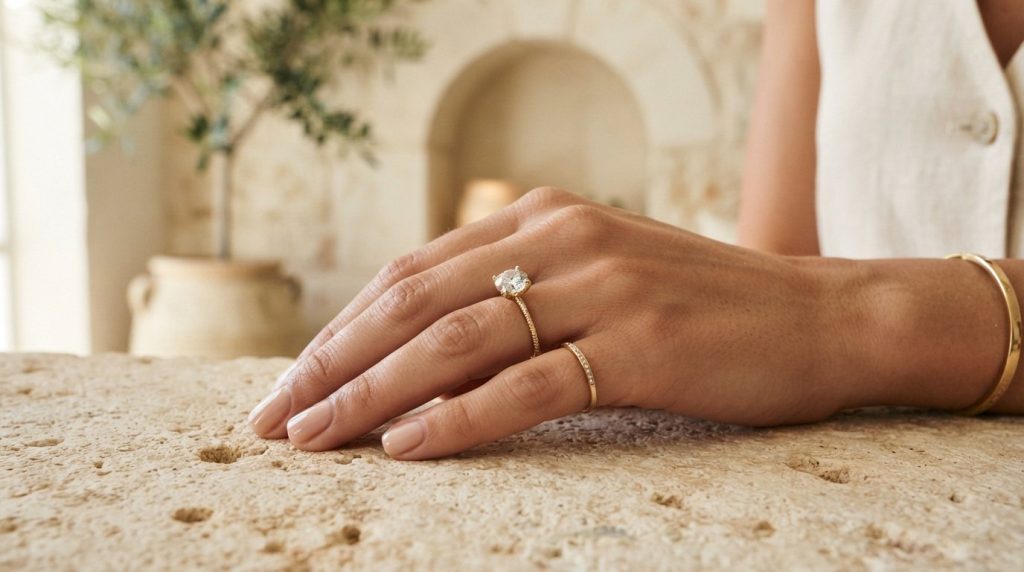
Is My Diamond Too Big for My Hand? A Personal Style Guide
-
Posted by
A diamond can look dramatic in a product photo and feel perfectly at home on your hand; a smaller stone can still make a striking statement. If…
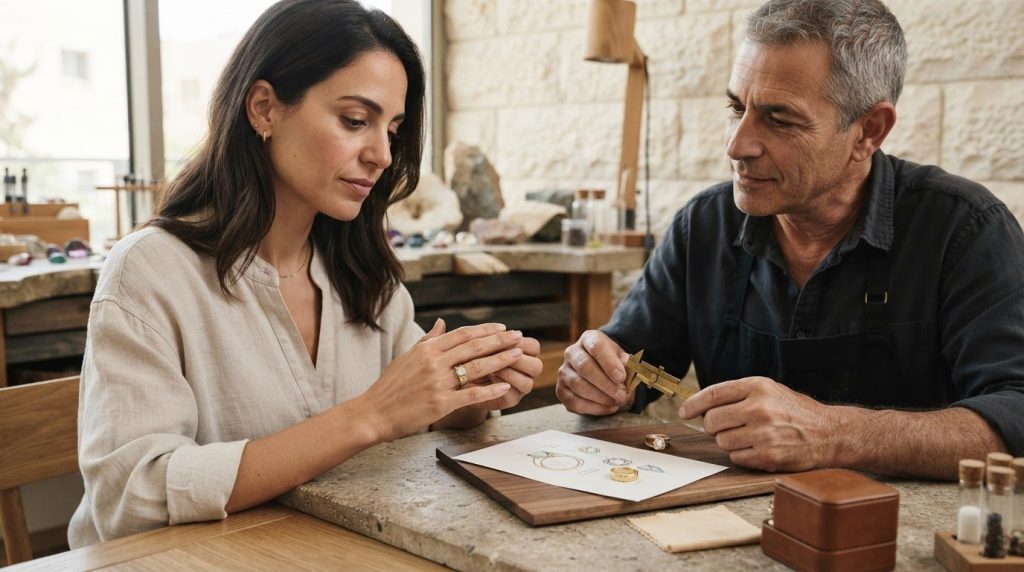
Unhappy With Your Final Custom Ring? Here’s What to Do Next
-
Posted by
What if I’m unhappy with my final custom ring, even though I approved the design? A finished piece can feel different on your hand than it did in a…
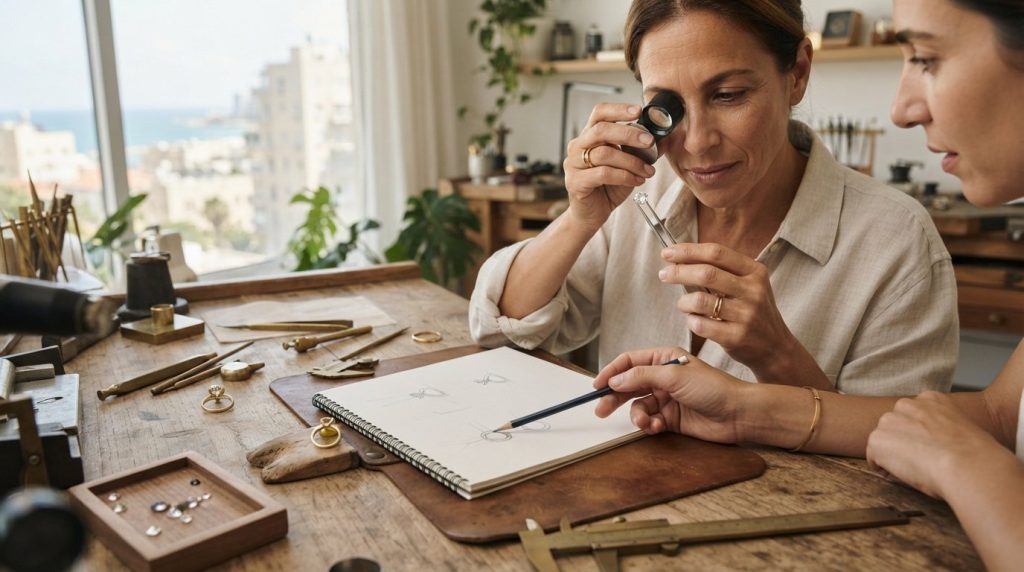
Finding an English-Speaking Custom Fine Jewelry Designer in Israel: A Complete Guide
-
Posted by
Your most cherished jewelry shouldn’t just be an accessory; it’s a piece of your history that deserves to be understood without a translator. When…
How to Convince Your Husband to Upgrade Your Wedding Ring
-
Posted by
What if your wedding ring wasn’t just a relic of who you were when you said “I do,” but a luminous reflection of the woman you’ve become today? Many…
Red Flags When Choosing a Custom Jewelry Designer: A 2026 Guide to Protecting Your Vision
-
Posted by
Imagine spending months dreaming of a bespoke 18k gold ring, only to open the velvet box and find a piece that feels like a generic retail cast…
Minimalist Gold Rings: A Guide to Curating Your Timeless 18K Collection
-
Posted by
Your jewelry shouldn’t have an expiration date. Too many of us have felt the frustration of a cherished piece tarnishing or causing skin irritation…
Getting a Better Price Than Big Brand Jewelers in Israel: The Insider’s Guide 2026
-
Posted by
That iconic logo on a shopping bag in a Tel Aviv mall might feel like a mark of quality, but it’s often the most expensive way to buy a memory. When…

Common Regrets After Buying an Engagement Ring: How to Choose a Forever Piece
-
Posted by
What if the most significant purchase of your life becomes a source of quiet hesitation every time you get ready in the morning? It’s a heavy…

15 Essential Questions to Ask a Jeweler Before They Start Designing Your Piece
-
Posted by
You’ve spent months dreaming of a piece that captures your unique story, but as the jeweler picks up their pencil, a flicker of anxiety often sets…
Hidden Halo Engagement Rings: A Guide to Subtle, Modern Brilliance (2026)
-
Posted by
What if the most captivating detail of your jewelry wasn’t meant for the rest of the world to see, but was a secret kept just for you? Many couples…
Handcrafted Minimalist Jewelry in Israel: A Guide to Modern Elegance (2026)
-
Posted by
Why settle for jewelry that simply fills a space when you could wear a piece that captures the depth of your own story? If you’ve been searching for…