
Blog
Modernizing a Vintage Jewelry Piece in Tel Aviv: A Thoughtful Guide
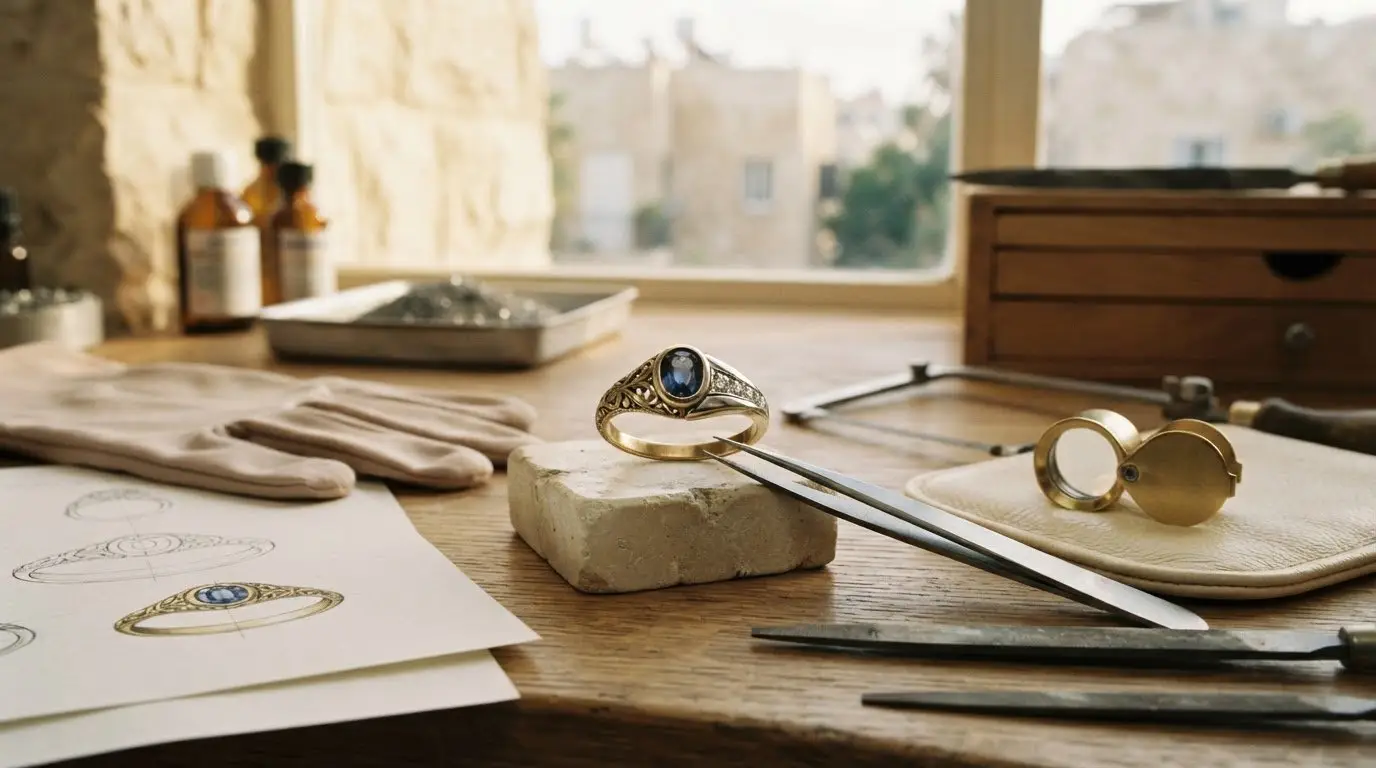
What if the best update to an heirloom is a small change that lets its story shine? If you’re searching for “modernizing a vintage jewelry piece Tel Aviv,” you may be weighing a fresh look against the details that make the piece feel like yours: its original setting, a stone chosen by someone you love, or the marks of years of wear.
That hesitation makes sense. Altering vintage jewelry raises questions about condition, sentimental meaning, and material value, and a redesign isn’t the only option. This guide helps you assess the piece and compare restoration, redesign, and leaving it unchanged. It also covers practical questions to ask a jeweler before approving work, including how an alteration could affect the setting and which original details can be preserved. The goal is to find a direction that suits how you want to wear the piece today while honoring its history.
Key Takeaways
- Assess a piece’s condition, materials, and construction before deciding which changes to consider.
- For modernizing a vintage jewelry piece Tel Aviv, compare restoration, redesign, and keeping the piece intact before choosing a direction.
- Photograph the piece and decide which details you want to preserve before speaking with a jeweler.
- Ask what the proposed work involves and how it may affect original features before approving it.
- KaMila Fine Jewellery accepts custom design requests. Confirm whether it considers customer-owned vintage pieces before exploring a redesign.
Modernizing a Vintage Jewelry Piece in Tel Aviv: What to Assess First
A meaningful vintage piece can have a place in your everyday life without losing the details that make it yours. Before modernizing a vintage jewelry piece Tel Aviv, take time to understand its condition and construction. Age alone doesn’t determine what can be changed safely. The metal, setting, joins, gemstones, and any earlier alterations all matter. A jeweler’s assessment can help identify options to explore, but value, provenance, and gemstone identity may require a qualified evaluation. They can’t be confirmed by appearance alone.
Take clear photographs from several angles, including close-ups of marks, inscriptions, stones, clasps, and visible wear. Keep them with any family notes, receipts, certificates, or stories connected to the piece. This record gives you and a jeweler a reference for discussing its original features and your goals. It also helps separate what you know about its history from what still needs verification.
What should you inspect before changing vintage jewelry?
Look closely, but don’t test or adjust anything yourself. Note loose stones, worn or bent settings, damaged links, missing parts, and signs of previous repairs. Record visible hallmarks and inscriptions exactly as they appear. They can offer clues, but they aren’t proof of a piece’s value, age, or origin. Ask a qualified jeweler to assess the condition before cleaning, resizing, or altering it. The right approach depends on the materials and construction.
Which details should remain part of the story?
List the details you’d regret losing, such as an engraving, distinctive setting, inherited gemstone, or irregularity tied to the piece’s past. Separate these non-negotiables from elements you’re open to changing, such as scale, fit, or how the piece is worn. If heritage is central to its meaning, explore symbolic jewelry and modern heirlooms for ideas on carrying cultural and personal significance into the present.
You don’t need to arrive with a finished design. Bring your photographs and a short list of what must stay, what could change, and what you’re unsure about. A jeweler may discuss sketches or digital models as part of exploring jewelry design concepts, but the right process depends on the piece and the professional’s assessment. Starting with clear priorities makes the conversation more focused while leaving room for advice before you approve any work.
How Vintage Jewelry Modernization Works in Tel Aviv
A thoughtful update is a conversation, not a fixed sequence of workshop steps. If you’re considering modernizing a vintage jewelry piece Tel Aviv, the process should respond to the item and a professional’s assessment. Before arranging a visit, confirm whether the jeweler accepts customer-owned pieces and whether the discussion can take place in person or in another format.
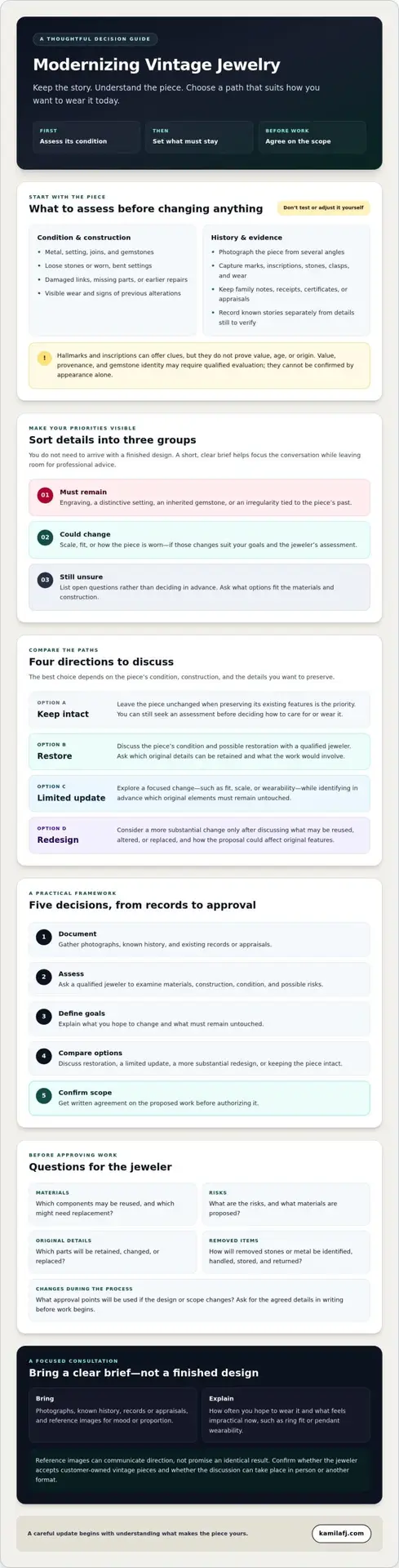
A useful framework is to work through five decisions:
- Document: Gather photographs, known history, and any existing records or appraisals.
- Assess: Ask a qualified jeweler to examine the materials, construction, condition, and possible risks.
- Define goals: Describe what you hope to change and what must remain untouched.
- Compare options: Discuss whether restoration, a limited update, or a more substantial redesign best fits the piece.
- Confirm scope: Get written agreement on the proposed work before authorizing it.
Historical context can help you explain what appeals to you without assuming the piece belongs to a particular era. The Gemological Institute of America’s guide to historic jewelry styles offers visual reference points. A professional assessment, rather than appearance alone, should guide decisions about the piece itself.
How do you prepare a useful redesign brief?
Bring clear photographs, the history you know, and any records or appraisals you already have. Explain how often you’d like to wear the piece and what feels impractical now. For instance, a ring may not fit comfortably, or a pendant may not work with the clothes you usually wear. Reference images can communicate mood, proportion, or simplicity, but use them as direction rather than a promise of an identical result.
What should a jeweler explain before work begins?
Ask which components may be reused and which might need replacement. Discuss the risks and proposed materials in plain language, and agree on approval points if the design or scope could change during the process. If stones or metal are removed, ask how each item will be identified, handled, stored, and returned. Request written confirmation of which original parts will be retained, changed, or replaced.
For a custom-design perspective, explore KaMila Fine Jewellery’s custom jewelry approach. The Israeli fine-jewelry brand accepts custom design requests. Confirm directly whether it accepts customer-owned vintage pieces and what consultation formats are available before making arrangements.
Compare Vintage Jewelry Updates: Restore, Redesign, or Keep It Intact
There isn’t one right way to bring an heirloom into your life again. Restoration focuses on the existing piece, redesign changes its form, and leaving it untouched can be the most meaningful choice. The history of jewellery techniques offers context for the craftsmanship and materials that may make an older piece distinctive. When modernizing a vintage jewelry piece Tel Aviv, compare what each option is intended to achieve with what you most want to preserve. None guarantees a particular monetary value.
| Option | Purpose | Likely changes | Preservation | Ask the jeweler |
|---|---|---|---|---|
| Restore | Address a condition or wearability concern while retaining the design. | Repairs to the existing construction may be considered, depending on inspection. | Usually aims to keep the original look and as much existing material as practical. | Could a discreet repair address the issue? What parts may need replacement? |
| Redesign | Adapt the piece to a different look or way of wearing it. | Changes to the setting, scale, or overall form may be explored. | Some original elements may be retained, while others may be altered or removed. | Which parts can be reused, and what would change in the proposed design? |
| Keep it intact | Protect the piece’s current form and personal associations. | No alteration. You might wear it as it is or keep it stored safely. | Preserves its present construction, though condition can change with handling and time. | How should I care for or store it in its current condition? |
When might restoration be preferable to redesign?
If the design still feels right but a clasp, link, or setting needs attention, restoration may suit your goal better than changing the piece’s appearance. For example, a necklace that doesn’t fasten securely may need an assessment focused on its existing clasp and chain. A repair isn’t automatically suitable, so ask whether discreet work could address the concern while retaining the original design. Have a qualified jeweler inspect it before deciding.
When might a contemporary redesign make sense?
Keeping the piece unchanged is also a real choice, not a failure to modernize. If its history matters more to you than wearing it differently, preserving its current form may feel truest to the story it carries.
Plan a Vintage Jewelry Redesign Consultation in Tel Aviv
A clear plan helps you discuss a personal piece with care, whether you’re considering a subtle adjustment or a more visible redesign. Before arranging a visit in Tel Aviv, confirm the jeweler’s location, appointment availability, preferred communication language, and whether customer-owned vintage jewelry is accepted. These details vary, so check directly rather than assuming an in-person consultation or project is available.
Prepare a short brief with photographs, known history, existing records, and the details you most want preserved. Describe how you hope to wear the piece and what you’d like to change. If you’re modernizing a vintage jewelry piece Tel Aviv, agree on the scope in writing before work begins, including materials, approval points, and how original components will be handled.
What questions should you ask a Tel Aviv jeweler?
Ask about experience with the piece’s materials, setting, and proposed type of alteration. Confirm that the jeweler accepts customer-owned vintage jewelry before sharing sensitive details or bringing the piece in. Clarify how you’ll review the design, receive progress updates, and approve changes. If a suggestion differs from your original brief, ask whether work will pause until you’ve agreed to the revision.
How can you protect the original piece during the process?
Before handing it over, request a written inventory and photographs showing the jewelry and any loose parts. Discuss who will hold the piece, how it will be stored, and what responsibility applies if it’s lost or damaged. Don’t assume insurance or appraisal is included. Verify the terms independently and keep copies of all records and written agreements.
Use this checklist before you commit:
- Project fit: Confirm the jeweler accepts the piece and can assess its materials and construction.
- Design scope: Record what will be retained, changed, added, or replaced.
- Approvals: Agree when you’ll review the proposal and how changes will be authorized.
- Custody: Document the piece’s condition, components, storage, and responsibility while it’s in someone else’s care.
Pause if the proposal doesn’t address your preservation priorities, if condition concerns remain unresolved, or if custody and approvals are unclear. A thoughtful jeweler should be able to explain the plan in terms you understand, without pressuring you to proceed before you’re ready.
KaMila Fine Jewellery is an Israeli fine-jewelry brand that accepts custom design requests. Explore KaMila’s custom design options, and confirm directly whether it accepts customer-owned vintage pieces and what consultation format is available before making arrangements.
Explore a Personal Jewelry Redesign with KaMila Fine Jewellery
A vintage piece can inspire a new design while keeping its personal story at the centre. KaMila Fine Jewellery is an Israeli fine-jewelry brand that accepts custom design requests. Whether it can consider a customer-owned vintage piece for redesign or remounting must be confirmed directly. Don’t assume the brand accepts every heirloom or that its original stones or metal can be reused.
KaMila’s jewelry includes 18-karat gold, gemstones, and lab-grown diamonds. These materials offer context for the brand’s contemporary design sensibility, but they don’t promise that a particular material or component will suit a vintage project. Whether existing elements can be used depends on their condition and a professional assessment.
Could custom design suit your vintage jewelry idea?
A custom request can help you communicate the look and feeling you hope to achieve, even before you know whether the original piece can be incorporated. Describe its story, the details you want to preserve, and how you’d like to wear it. For example, explain whether you want a more comfortable everyday piece or a simpler look, while leaving technical decisions to the assessment. For guidance on choosing a jeweler who understands your priorities, read finding your story with a jewelry store.
If you’re considering modernizing a vintage jewelry piece in Tel Aviv, make your first message an inquiry, not an assumption that a redesign is available. Share clear photographs and ask whether KaMila can assess that specific piece and the change you have in mind.
What is the next step for a Tel Aviv inquiry?
Before making arrangements, confirm whether the brand accepts your piece and the project you’re considering. Ask what consultation options are available, whether an in-person location in Tel Aviv is offered, and which materials and design scope could be discussed. Request clear project terms and approval steps before deciding whether to proceed. This lets you explore a modern direction without losing sight of the history you want to carry forward.
When you’re ready, share your custom jewelry idea with KaMila, including what makes the piece meaningful, what you hope to change, and what should remain part of its story.
Let Your Heirloom’s Story Guide What Comes Next
Thoughtful modernization starts with understanding the piece before changing it. Its condition, materials, and construction can help guide the choice between restoration, redesign, or keeping it intact. Before approving work, make sure you understand what will be retained, altered, or replaced, and that the plan reflects your preservation priorities.
If you’re considering modernizing a vintage jewelry piece Tel Aviv, custom design may offer a way to explore a personal direction, but acceptance of customer-owned vintage jewelry must be confirmed directly. KaMila Fine Jewellery is an Israeli fine-jewelry brand that accepts custom design requests and offers pieces in 18-karat gold and lab-grown diamonds. These materials provide design context, not a promise that a particular vintage piece can be incorporated.
Share the story behind your jewelry and the look you hope to achieve. Share your custom jewelry idea with KaMila, and ask whether the brand can consider your specific piece before making arrangements. Whether you choose a considered update or no alteration at all, you can honor the history you carry forward.
Frequently Asked Questions
Can vintage jewelry be modernized without losing its sentimental value?
A thoughtful update can preserve the features that carry personal meaning, though any physical alteration may change the piece. Before discussing work, identify what you want kept, such as an engraving, a distinctive setting, or an inherited stone. Ask the jeweler to explain which parts could be altered or replaced, and get the agreed scope in writing. Keeping the piece unchanged is also a valid way to honor its history.
How do I modernize a vintage ring in Tel Aviv?
Start by photographing the ring and noting its condition, visible marks, and known history. Then ask a qualified jeweler to assess its metal, setting, and stone before considering resizing or redesign. If you’re researching “modernizing a vintage jewelry piece Tel Aviv,” confirm directly whether the jeweler accepts customer-owned vintage rings, how consultations work, and which original details can be preserved. Compare restoration with redesign before approving a plan.
Is it better to restore or redesign vintage jewelry?
It depends on what you want the piece to do. Restoration may suit you if you like its original appearance and want to address a condition or wearability concern. Redesign may fit if you want a substantially different look, but it could change or replace original components. Ask a qualified jeweler to assess the item and explain the trade-offs. Neither option guarantees that its monetary value will be preserved.
Can a jeweler reuse gemstones from an heirloom piece?
Possibly, but reuse depends on the stone’s condition, how it is set, and whether it suits the proposed design. Ask the jeweler to examine each gemstone and explain any risks involved in removing or resetting it. Don’t assume a stone can be reused just because it appears intact. Before work begins, agree in writing on which stones are intended for reuse and how any removed stones will be identified and returned.
What should I ask before leaving vintage jewelry with a jeweler?
Ask whether the jeweler accepts customer-owned vintage pieces and has relevant experience with the item’s materials and construction. Request photographs and a written inventory, including any loose parts. Clarify the proposed work, approval points, custody, storage, and how removed components will be handled and returned. Ask about insurance arrangements and responsibility for loss or damage, and verify the terms independently. Don’t leave the piece if these points remain unclear.
Does KaMila Fine Jewellery redesign customer-owned vintage jewelry?
That isn’t confirmed, so contact KaMila Fine Jewellery directly before assuming it can redesign or remount your piece. The Israeli fine-jewelry brand accepts custom design requests and works with materials including 18-karat gold and lab-grown diamonds, but this doesn’t confirm that it accepts customer-owned vintage jewelry. Describe the piece and the change you’re considering, then ask whether it can be assessed and what consultation options and project terms apply.
How can I tell whether a vintage jewelry piece is valuable?
You can’t reliably establish value from appearance or a visible hallmark alone. Materials, gemstone identity, condition, construction, provenance, and market context may all matter, and these require qualified assessment. Gather any records or family history and ask an appropriate jewelry professional or appraiser to explain the basis of an evaluation. If value could affect your decision to alter the piece, seek an assessment before authorizing cleaning, resizing, or redesign.
Related Posts
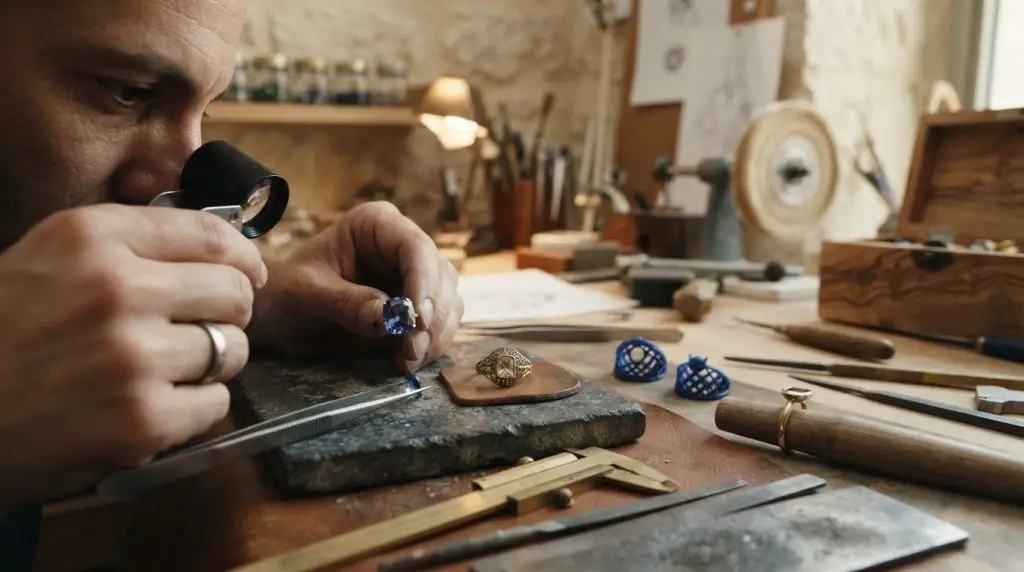
Repurposing Heirloom Stones into Modern Custom Jewelry: The Complete 2026 Guide
-
Posted by
מילה קלר
What if keeping an inherited ring tucked away in a dark jewelry box isn’t protecting your family history, but silencing it? It’s completely natural…
How to Give Constructive Feedback on a Jewelry Design: A Client’s Guide
-
Posted by
What if telling your jeweler you dislike a detail isn’t an insult, but the exact spark they need to craft your dream heirloom? When you first open…
Ring CAD Models: A Guide to Jewelry Blueprints
-
Posted by
You finally receive the email containing your custom design, but instead of a sparkling heirloom, you see a robotic, gray-scale rendering with tiny…

How to Convince Your Husband to Upgrade Your Wedding Ring
-
Posted by
What if your wedding ring wasn’t just a relic of who you were when you said “I do,” but a luminous reflection of the woman you’ve become today? Many…

15 Essential Questions to Ask a Jeweler Before They Start Designing Your Piece
-
Posted by
You’ve spent months dreaming of a piece that captures your unique story, but as the jeweler picks up their pencil, a flicker of anxiety often sets…
Custom 18k Gold Jewelry in Israel: A Guide to Creating Modern Heirlooms
-
Posted by
Most jewelry in local boutiques stops at 14-karat gold, but a true modern heirloom requires the deep, buttery glow that only 18-karat purity can…
Custom Gold Necklace Israel: Designing Modern 18k Gold Heirlooms
-
Posted by
Why does so much jewelry today feel like a fleeting trend instead of a permanent part of your story? You’ve likely experienced the frustration of a…
Custom Gold Bracelets in Israel: A Guide to Creating Your Modern Heirloom
-
Posted by
Why should the most intimate piece of jewelry you own look exactly like the one sitting in every other mall window? When searching for custom gold…
Crafting Your Narrative: The Ultimate Guide to Custom Gold Bracelets in 2026
-
Posted by
Why settle for a piece of jewelry that tells someone else’s story when your own life is the most compelling narrative you own? You’ve likely felt the…
The Modern Custom Initial Ring: A Guide to Choosing Your Signature Heirloom
-
Posted by
A single letter can carry the weight of an entire legacy when it’s crafted with the right intention. You likely want a piece of jewelry that feels…
18k Gold Star of David Necklace: A Guide to Modern Heirlooms & Meaning
-
Posted by
Can a symbol with thousands of years of history truly reflect a modern, minimalist aesthetic? For many, traditional jewelry feels a bit too heavy or…
Using Heirloom Stones in Custom Jewelry: A Guide to Modernizing Heritage
-
Posted by
Imagine holding a velvet box that contains a piece of your family’s heart. The gemstone inside carries decades of stories, yet the heavy, dated…