
Blog
How to Give Constructive Feedback on a Jewelry Design: A Client’s Guide
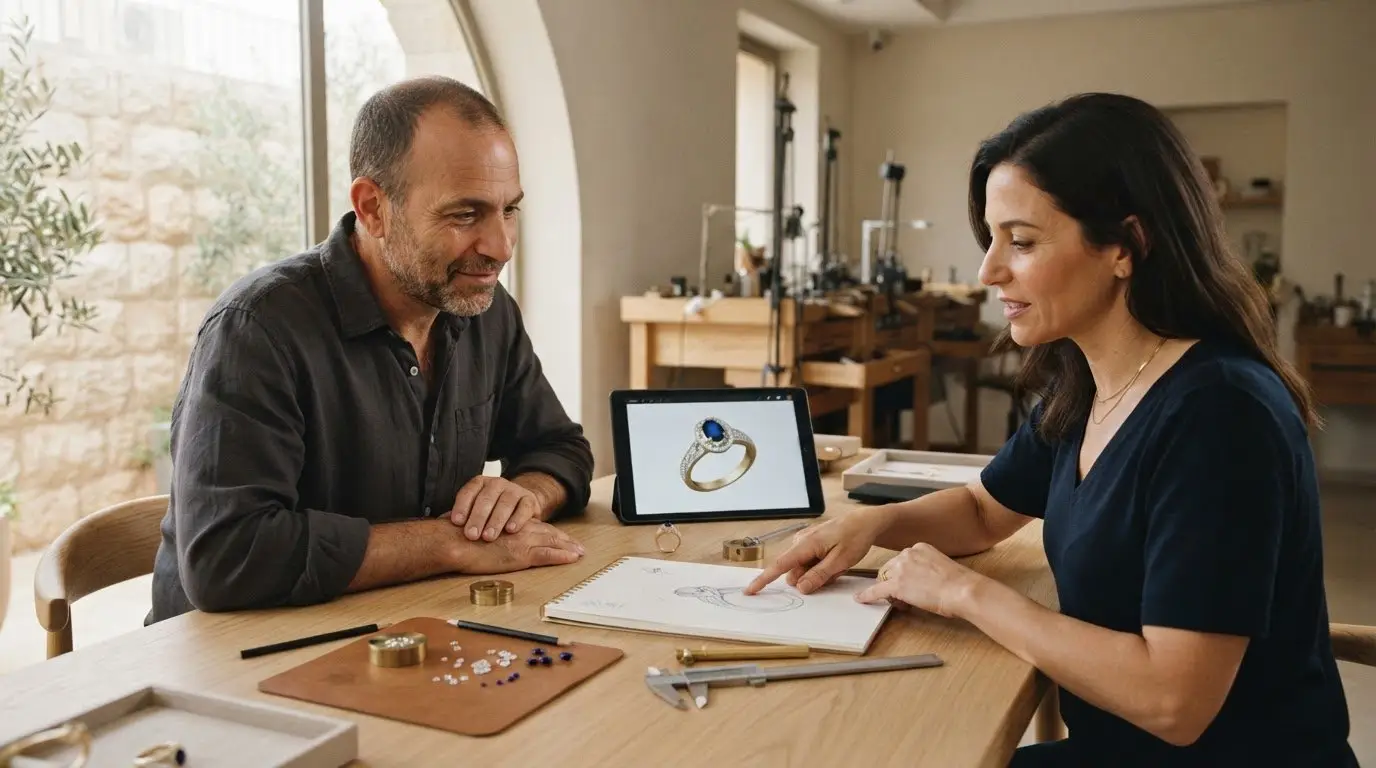
What if telling your jeweler you dislike a detail isn’t an insult, but the exact spark they need to craft your dream heirloom? When you first open custom sketches or 3D renders, speaking up can feel surprisingly daunting. You might lack technical bench vocabulary to describe what feels off, or worry that requested changes will offend the artisan and compromise durability. Learning how to give constructive feedback on a jewelry design transforms that quiet hesitation into an inspiring, collaborative partnership.
It’s completely natural to feel protective of both your vision and your jeweler’s creative expertise. You don’t need a gemology degree to share meaningful input; you only need to focus on how you want the piece to look, wear, and tell your personal story. In this guide, you’ll discover how to articulate your thoughts clearly across sketches, CAD models, and physical prototypes while letting your artisan solve the technical execution. Here is how to guide your bespoke journey toward an enduring piece you’ll cherish every day.
Key Takeaways
- Master how to give constructive feedback on a jewelry design by articulating your emotional vision and daily lifestyle needs while trusting the artisan with technical solutions.
- Recognize what to critique at every custom phase, understanding how ideas transition from initial sketches to digital CAD renders and final cast gold.
- Evaluate essential design elements like profile height, stone settings, and surface proportions with confidence, without needing bench goldsmith terminology.
- Decode common CAD render optical illusions so you don’t worry unnecessarily about metal thickness or stone placement before casting.
- Transform design reviews into an empowering creative dialogue that ensures your bespoke 18k gold heirloom is both structurally sound and deeply personal.
Understanding the Custom Jewelry Design Process Before Giving Feedback
Bespoke jewelry isn’t an off-the-shelf purchase; it’s an intimate creative partnership. Exploring the jewelry design process is the first step toward finding your voice alongside an artisan. Constructive feedback in fine jewelry isn’t about artistic critique. Instead, it is practical guidance that harmonizes your personal aesthetic with goldsmithing feasibility. Knowing when and how to speak up keeps the experience joyful and prevents technical headaches down the line.
The Anatomy of a Bespoke Design Journey
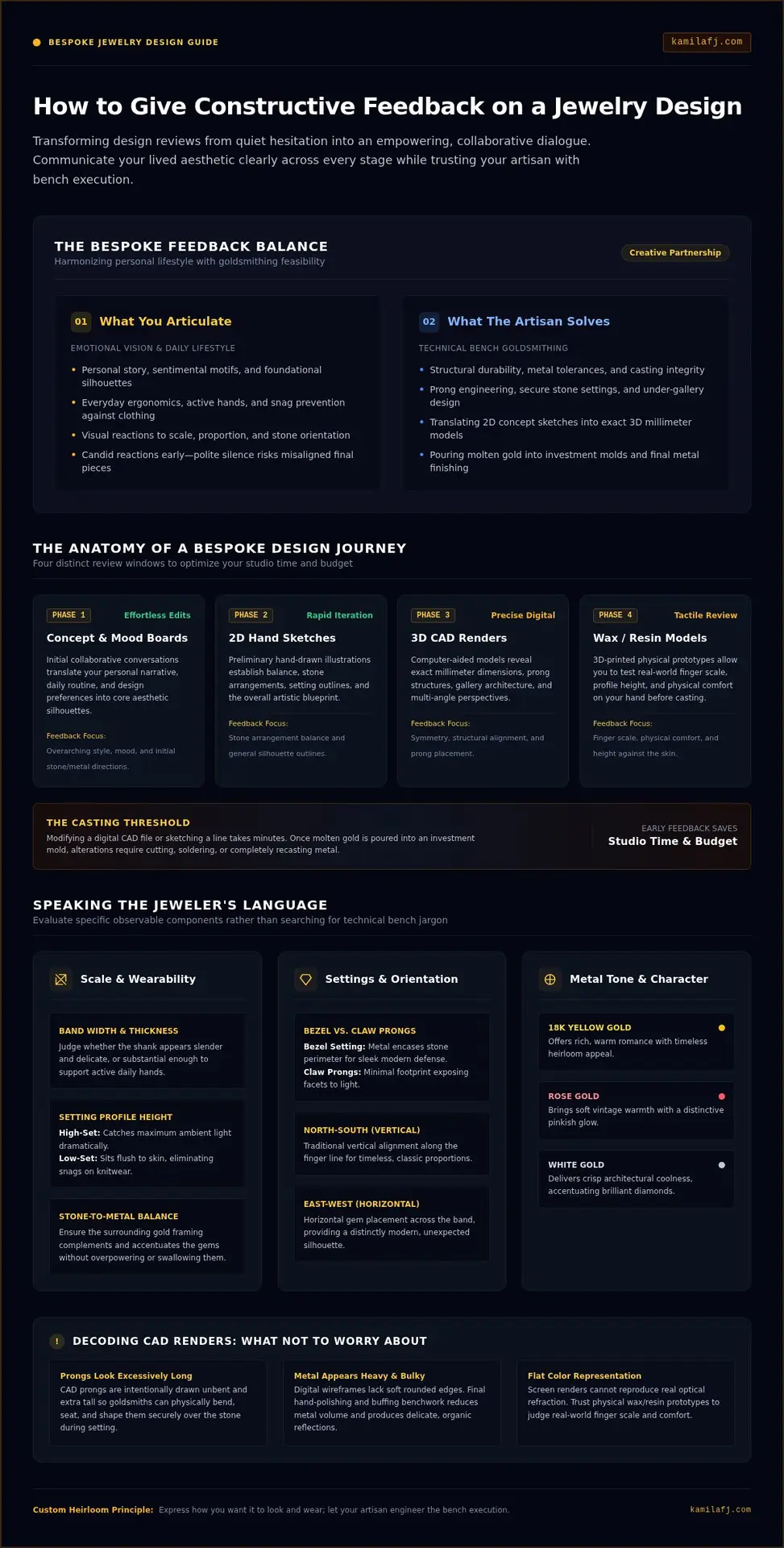
Fine jewelry evolves through four tangible phases, each offering distinct opportunities for client input:
- Concept & Mood Boards: Initial conversations translate your personal story, daily lifestyle, and design preferences into foundational silhouettes.
- 2D Hand Sketches: Preliminary hand-drawn illustrations establish balance, stone arrangements, and overall aesthetic direction.
- Digital 3D CAD Renders: Specialized computer-aided models reveal precise millimeter dimensions, prong structures, and under-galleries from multiple angles.
- Physical Wax or Resin Models: 3D-printed prototypes allow you to test real-world finger scale, profile height, and physical comfort against your hand.
Modifying a digital file or redrawing a line takes minutes. Once molten gold is poured into an investment mold, adjustments require cutting, soldering, or completely recasting metal. Providing clear observations during the sketch and CAD modeling stages saves immense studio time and preserves your budget.
Why Artisans Rely on Your Honest Reaction
Master bench jewelers possess deep technical knowledge, but they cannot read your mind. Polite silence is often the biggest obstacle to a breathtaking finished piece. When clients nod along out of courtesy, misaligned details only surface after the piece is cast in solid metal.
Artisans genuinely celebrate candid critique. Learning how to give constructive feedback on a jewelry design ensures the final creation reflects your lived aesthetic rather than an assumed preference. Your jeweler relies on your perspective to tailor prong height, balance stone proportions, and build an enduring heirloom you’ll wear with quiet confidence every day.
Speaking the Jeweler’s Language: Key Design Elements to Evaluate
You don’t need bench jeweler training to communicate design changes effectively. When reviewing a draft, the secret to knowing how to give constructive feedback on a jewelry design lies in breaking the piece down into observable visual components. Exploring practical frameworks on how to give better feedback shows that separating structural elements from decorative details makes pinpointing what feels misaligned remarkably easy.
Proportions, Scale, and Everyday Wearability
Scale dictates how an heirloom feels during ordinary moments. Evaluate the width and depth of the band against your fingers rather than judging it purely in isolation on a screen:
- Band Width and Thickness: Does the shank look slender and delicate, or substantial enough for active hands?
- Setting Profile: A high-set stone catches light dramatically, while a lower profile sits flush against the skin, preventing snags on knitwear.
- Stone-to-Metal Balance: Check whether the metal frame accentuates or swallows the gems, an essential visual check when planning custom engagement rings.
Settings, Prongs, and Stone Orientations
How a gem is held changes both its silhouette and its protection level. Notice whether you prefer a sleek, modern bezel setting that surrounds the perimeter, or minimal claw prongs that expose stone facets to natural light. When incorporating brilliant focal centerpieces or contemporary lab diamonds, look closely at their orientation. A classic vertical (north-south) placement creates a traditional look, while a horizontal (east-west) layout feels distinctly modern and unexpected.
Metal Tone, Texture, and Structural Finishes
Gold alloy and surface treatment dramatically alter the emotional mood of fine jewelry. Rich 18k yellow gold offers warm romance, rose gold brings vintage warmth, and white gold delivers architectural coolness. Beyond color, consider surface texture:
- High-Polish: Mirror-bright, reflecting sharp brilliance.
- Satin or Matte: Soft, subdued, and contemporary.
- Hand-Hammered: Organic, artisanal, and tactile.
Whether you’re finessing delicate pendant bales on a bespoke gold necklace or refining custom ring shanks, grounding your feedback in these tactile details empowers your artisan to make precise adjustments. If you’re ready to explore an intimate collaborative process, consider exploring custom possibilities with KaMila Fine Jewellery.
A Step-by-Step Framework for Giving Constructive Design Feedback
Opening a fresh design file sparks instant emotion. Whether you feel an immediate thrill or a flicker of doubt, stepping back before typing a quick reply makes all the difference. Applying a structured method to how to give constructive feedback on a jewelry design turns your initial instincts into clear, actionable creative direction.
Step 1 & 2: The Initial Reflection and Positive Anchoring
Start by giving yourself time to absorb the concept. Digital models viewed quickly on a bright smartphone screen can distort scale and lighting. Sleep on the renders, then view them again on a larger monitor with fresh eyes.
Next, anchor the conversation in what works before requesting adjustments. Highlight the exact curves, proportions, or stone placements that delight you so the jeweler knows what to protect. As highlighted in professional creative guides like AIGA Baltimore’s How to Give and Receive a Good Design Critique, positive framing maintains creative momentum and prevents the artisan from unintentionally changing details you already adore.
Step 3: Communicating Problems Instead of Solutions
Describe your feelings and practical routines rather than dictating precise bench fixes. Telling a goldsmith to shave half a millimeter off a gallery wire might accidentally weaken a stone seat. Instead, explain the underlying sensation: “The basket profile feels a bit too high and bulky against my hand, and I worry it will catch on my knit sweaters.” Sharing your lived experience allows the artisan to engineer an elegant, structurally sound solution that honors your lifestyle.
Step 4 & 5: Visual References and Collaborative Inquiries
Ambiguity vanishes when you provide visual context. Don’t hesitate to circle specific areas on a digital screenshot with your phone’s markup tool to show exactly where your eye lands. Pair these markups with reference photos that show the claw shape or band taper you prefer.
Conclude your revision notes with curious, collaborative questions:
- “How will lowering the center stone impact how a wedding band sits flush beside it?”
- “Would a delicate knife-edge band give the visual lightness I want while preserving metal strength?”
- “Does softening these claw prongs affect how securely the center gem stays set?”
These inquiries invite the goldsmith to bring their full technical wisdom to your vision, ensuring your bespoke piece remains an enduring heirloom.
How to Address Common Jewelry Design Dilemmas Constructively
Even in seamless collaborations, delicate design tensions occasionally arise. Perhaps a CAD render appears unexpectedly heavy, or you and your partner have conflicting ideas about the final silhouette. Knowing how to give constructive feedback on a jewelry design during these sensitive crossroads keeps the dialogue inspiring and protects the structural integrity of your future heirloom.
Decoding CAD Renders: Why Raw Digital Files Look Clunky
Computer-aided design files often trigger unwarranted panic. On a monitor, raw CAD files look geometric, sterile, and bulky. There is an essential goldsmithing reason for this: prongs are deliberately modeled taller and thicker to allow for metal shrinkage during casting and manual file cleanup at the jeweler’s bench.
Before asking your artisan to shave away essential structural metal, keep these practical points in mind:
- Polishing Allowance: Up to 15% to 20% of surface metal weight can be removed during final smoothing and hand-polishing.
- Render Realism: Ask your jeweler if they can provide photorealistic lighting renders to simulate soft natural reflections.
- Physical Wax Prints: Holding a physical resin or wax model against your skin immediately dispels the optical illusions of a flat screen.
Feedback Scripts for Delicate Situations
Finding the right words when a draft misses the mark can feel intimidating. When multiple opinions clash, such as differing tastes between partners, always anchor decisions in the wearer’s daily lifestyle and comfort rather than competing aesthetic theories. Here are refined phrasing templates to address common design dilemmas gracefully:
- For proportions that feel overpowering: “The center stone feels slightly hidden by the surrounding metal. Is there a way to open up the profile to let more light pass through?”
- For an aesthetic that feels too busy: “This direction leans more ornate than the minimalist silhouette I envisioned. Could we simplify the under-gallery lines to give the piece a quieter presence?”
- For daily wearability and comfort: “Because I work with my hands daily, could we soften the inner shank edges and lower the basket slightly so it sits closer to my finger?”
Separating your personal taste from the craftsman’s structural engineering ensures every modification enhances wearability. If you’re eager to craft a bespoke heirloom with an artisan who listens deeply, book a custom jewelry design consultation today.
Bringing Your Custom Heirloom to Life with KaMila Fine Jewellery
Custom fine jewelry is far more than an artistic commission; it is an intimate expression of your identity and milestone moments. At KaMila Fine Jewellery, bespoke creation unfolds as an empowering, warm dialogue between you and the maker. Understanding how to give constructive feedback on a jewelry design isn’t just a practical skill, it’s the heartbeat of our handcrafted atelier experience. We craft pieces intended to celebrate life every single day, turning personal sentiment into lasting modern luxury.
The KaMila Bespoke Collaborative Philosophy
Working directly with an artisan ensures your creative intention never gets lost behind corporate layers. We celebrate the interplay between contemporary minimalism and enduring goldsmithing traditions. Each bespoke design is hand-sculpted in rich 18k gold, paired with carefully curated precious gemstones or sustainable lab-grown diamonds.
Transparent iteration milestones guide our workflow:
- Direct Artisan Dialogue: You speak directly with the designer shaping your metal, ensuring subtle nuances are understood immediately.
- Celebration of Wearability: We balance delicate visual elegance with structural integrity so your piece thrives through active, daily wear.
- Empowered Review Cycles: Your candid reflections are welcomed at every sketch and render milestone, shaping a collaborative space free from intimidation.
Starting Your Custom Design Journey
Beginning a bespoke project is an invitation to tell your personal story. Gather your visual inspirations, gemstone affinities, and lifestyle routines before your initial discovery consultation. Consider how a custom ring might sit alongside everyday staples, or how organic silhouettes can mirror the fluid curves found in handcrafted gold bracelets.
Mastering how to give constructive feedback on a jewelry design allows you to step into the creative seat with genuine enthusiasm. When you share honest observations about comfort, proportion, and aesthetic resonance, we translate those thoughts into durable 18k gold. The result is a luminous heirloom that reflects your unique story with grace, authenticity, and uncompromising craftsmanship.
Transforming Your Vision into an Enduring Heirloom
A bespoke piece is far more than metal and gemstones; it is an intimate expression of your story meant to be lived in and celebrated. Knowing how to give constructive feedback on a jewelry design turns technical hesitation into confident, creative alignment. When you articulate your daily routines, decode raw CAD renders with patience, and protect the visual details you love, your goldsmith can engineer a piece that balances delicate beauty with lasting structural strength.
At KaMila Fine Jewellery, every piece is handcrafted in 18k solid gold with meticulous atelier oversight, pairing ethical lab-grown diamonds and responsibly sourced gemstones with your unique memories. Through direct artisan collaboration, your voice guides every step from initial concept to hand-polished finish. Ready to shape a design that feels entirely your own? Begin your custom bespoke jewelry journey with KaMila Fine Jewellery and craft an heirloom you will cherish wearing every single day.
Frequently Asked Questions
Will my jeweler be offended if I ask for multiple design changes?
No, genuine artisans welcome revision requests because their ultimate goal is crafting an heirloom you’ll love wearing every day. Understanding how to give constructive feedback on a jewelry design ensures the jeweler sees revisions as collaboration, not criticism. As long as requests are specific and shared during early sketch or digital modeling phases, your jeweler will gladly refine lines, prong profiles, and proportions to align with your personal aesthetic.
Why do 3D CAD renders look so bulky compared to finished jewelry?
Raw 3D CAD software depicts unpolished, mechanical models built with intentional excess metal allowances. Jewelers intentionally design prongs and bezels thicker on screen to account for shrinkage during casting and subsequent hand-filing at the bench. Polishing removes significant surface metal to create delicate, graceful curves. If a render appears heavy, ask your artisan how hand-finishing will soften edges before asking them to thin down structural components.
How many design revisions are typically normal in custom jewelry?
Most custom jewelry projects include two to three rounds of revisions during the 2D sketch and CAD phases. This provides ample opportunity to adjust basket heights, band contours, and stone orientations without delaying production. Consolidating your thoughts into organized feedback lists rather than sending piecemeal notes helps you stay within standard revision cycles while keeping the bespoke creative experience organized and enjoyable.
What should I do if I cannot find the technical words for what I dislike?
Focus on your physical sensation and lifestyle needs rather than searching for bench goldsmith terminology. Describe the problem plainly, such as “the ring catches on my pockets” or “the setting feels too rigid.” You can also circle specific zones on render screenshots or share reference photos showing textures and silhouettes you prefer. A skilled artisan will readily translate your practical observations into technical adjustments.
Can I change the stone or metal choice after approving initial sketches?
Yes, adjusting your stone or gold alloy is straightforward while the design remains in sketches or CAD modeling. Switching from yellow gold to white gold or choosing a different gemstone simply requires digital recalibration. However, once metal is cast in the atelier, altering gemstone dimensions or metal color requires complete fabrication restarts. Always communicate stone or metal adjustments before giving final casting approval.
How do I give feedback if my partner and I disagree on the design?
Anchor your decisions firmly around the everyday comfort and personal style of the intended wearer. When learning how to give constructive feedback on a jewelry design as a couple, separate subjective preferences from functional daily wear. Discuss your differences privately first, then present a unified list of priorities to your jeweler. An experienced designer can often harmonize both viewpoints into a balanced, cohesive silhouette.
Related Posts
Jewelry Design in Haifa: What to Expect in 2026
-
Posted by
מילה קלר
If you’re searching “jewelry design consultation in Haifa what to expect,” you may be wondering what to bring, which decisions you’ll need to make,…
Is My Diamond Too Big for My Hand? A Personal Style Guide
-
Posted by
A diamond can look dramatic in a product photo and feel perfectly at home on your hand; a smaller stone can still make a striking statement. If…
Creating a Ring That Symbolizes a Personal Achievement
-
Posted by
What if the ring that marks your biggest achievement is subtle enough to feel like you, not a trophy? Creating a ring that symbolizes a personal…
Unhappy With Your Final Custom Ring? Here’s What to Do Next
-
Posted by
What if I’m unhappy with my final custom ring, even though I approved the design? A finished piece can feel different on your hand than it did in a…
Modernizing a Vintage Jewelry Piece in Tel Aviv: A Thoughtful Guide
-
Posted by
What if the best update to an heirloom is a small change that lets its story shine? If you’re searching for “modernizing a vintage jewelry piece Tel…
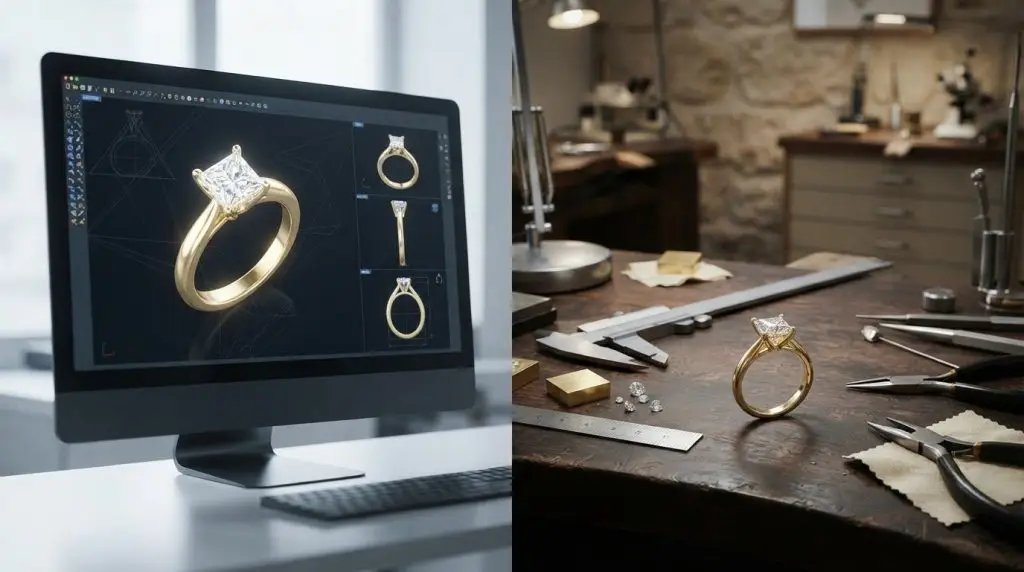
Ensuring Your Final Ring Matches the 3D Render
-
Posted by
What if the image you approved is a beautiful preview, but not a complete specification for the ring being made? Ensuring the final ring matches the…
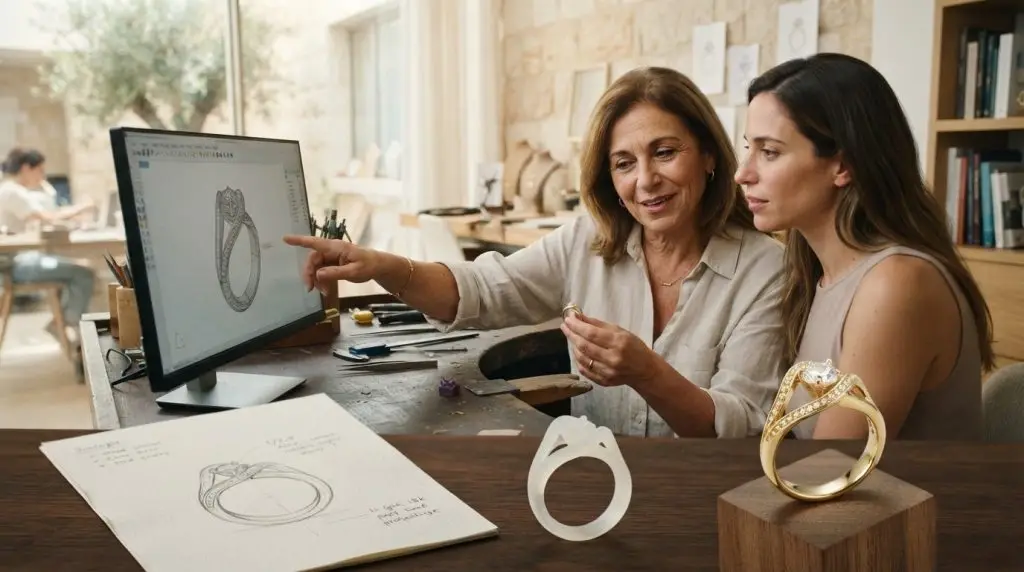
From Sketch to Sparkle: Ensuring the Final Piece Matches Your Jewelry Design
-
Posted by
You’ve spent weeks dreaming of a ring that captures your story, but as you look at the artist’s rendering, a small doubt creeps in. Will that…
Repurposing Heirloom Stones into Modern Custom Jewelry: The Complete 2026 Guide
-
Posted by
What if keeping an inherited ring tucked away in a dark jewelry box isn’t protecting your family history, but silencing it? It’s completely natural…
Designing a Custom 18k Gold Ring: 2026 Bespoke Guide
-
Posted by
What if the most exquisite jewelry you ever own isn’t reserved for formal galas, but crafted to enrich your daily life? When you start exploring…
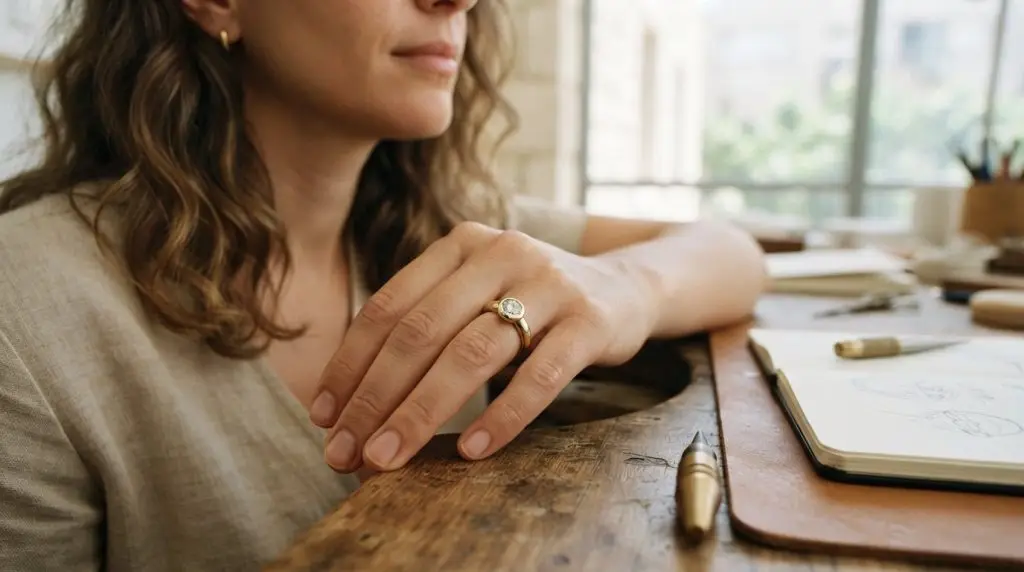
The Art of Ergonomics: Ensuring a Custom Ring is Comfortable for Daily Wear
-
Posted by
True luxury shouldn’t feel like a burden on your hand. While many focus solely on the carat weight or the sparkle, the real artistry lies in ensuring…

How to Convince Your Husband to Upgrade Your Wedding Ring
-
Posted by
What if your wedding ring wasn’t just a relic of who you were when you said “I do,” but a luminous reflection of the woman you’ve become today? Many…
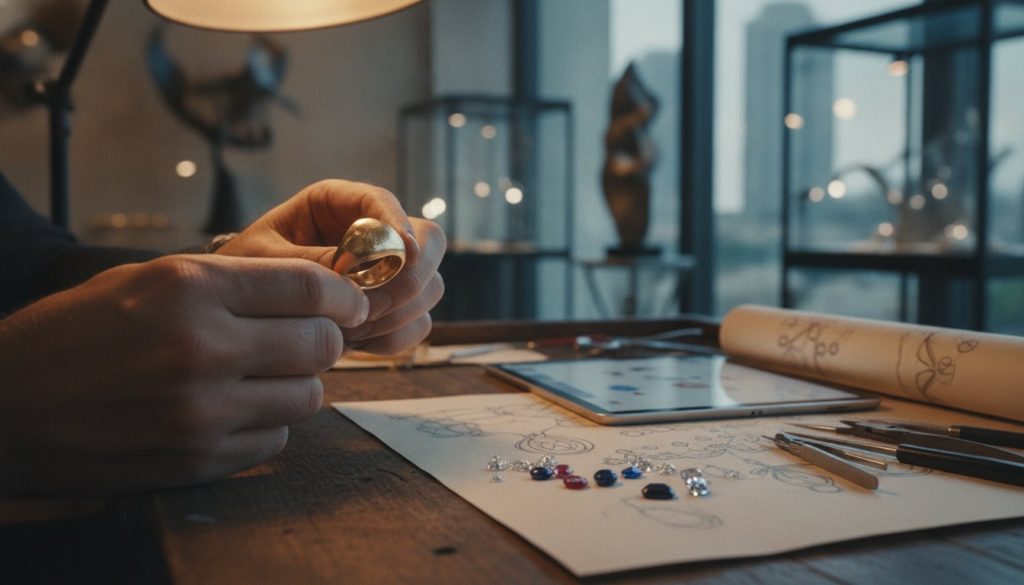
Red Flags When Choosing a Custom Jewelry Designer: A 2026 Guide to Protecting Your Vision
-
Posted by
Imagine spending months dreaming of a bespoke 18k gold ring, only to open the velvet box and find a piece that feels like a generic retail cast…