

Blog
Why Is My Gold Ring Scratching? Understanding 18K Gold and the Patina of Life
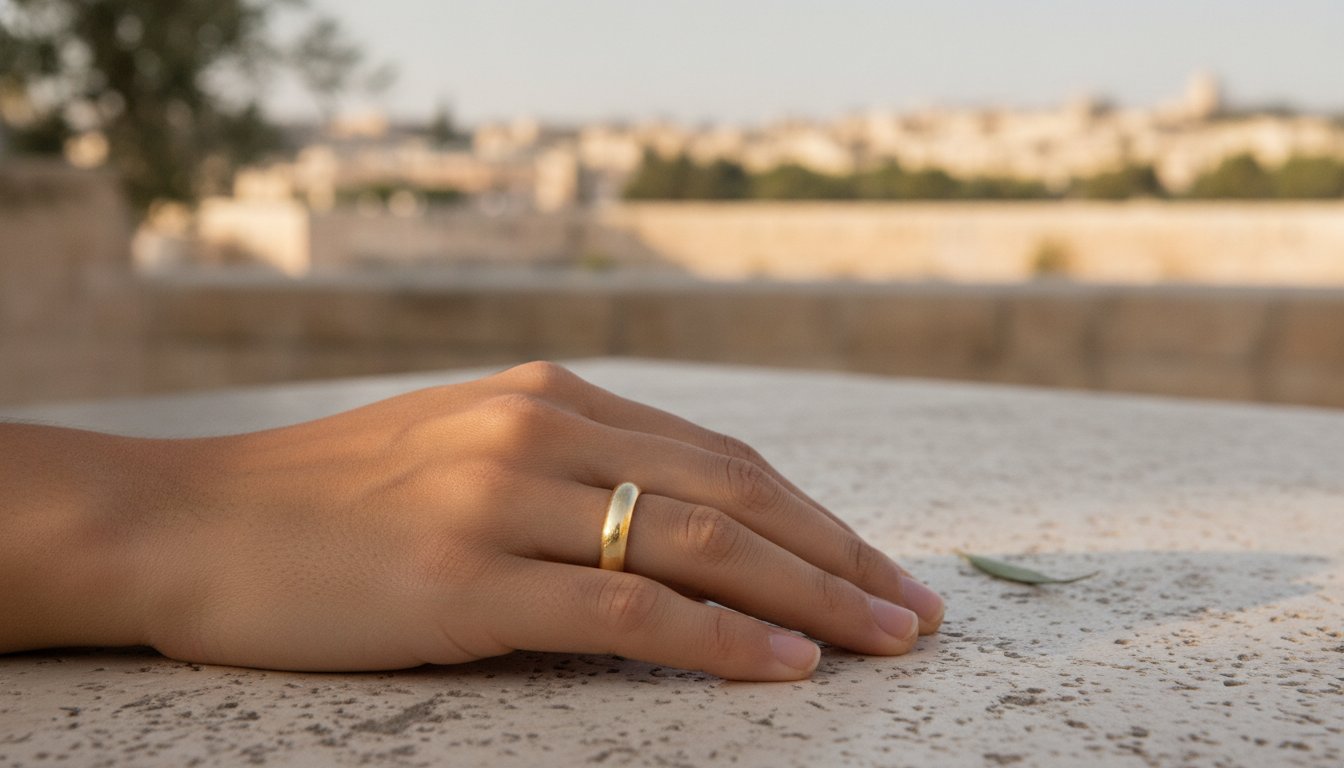
Just a few weeks after slipping on your new anniversary ring, you notice a delicate mark on its rich, yellow surface. It’s a moment of sudden, heart-sinking worry. You might wonder if you’ve made a mistake or if your investment is far more fragile than you imagined. Many people find themselves asking, ‘Is 18k gold durable enough for everyday wear?’ when they notice these early signs of life. It’s completely natural to feel protective of a piece that holds so much sentimental value and represents a significant personal milestone.
At KaMila Fine Jewellery, we believe your jewelry should be an intimate expression of your journey, not something hidden away for fear of a few marks. While 18k gold is naturally softer than 14k options, these small scratches don’t mean your ring is ruined. Instead, they are the beginning of a “patina of life,” a soft luster that develops as your jewelry travels through the world with you. In this article, you’ll learn why these marks are a natural characteristic of high-purity gold and how to care for your pieces so they stay radiant. We will share practical tips to prevent deep damage and help you understand when a professional touch is needed to restore that original shine.
Key Takeaways
- Understand how the 75% purity of 18K gold offers a rich, skin-friendly luster that matures beautifully through your daily experiences.
- Discover why the question of whether is 18k gold durable enough for everyday wear is best answered by viewing surface marks as a personal narrative rather than a flaw.
- Identify the “common culprits” of scratches, from gym equipment to the friction of stacking rings, and how to mindfully navigate these moments.
- Learn the professional limits of polishing to ensure your sentimental heirlooms retain their physical weight and structural integrity for decades to come.
- Embrace the concept of patina, where thousands of tiny life-marks blend into a soft, satin finish that transforms your jewelry into a living record.
The Science of Softness: Why 18K Gold Scratches
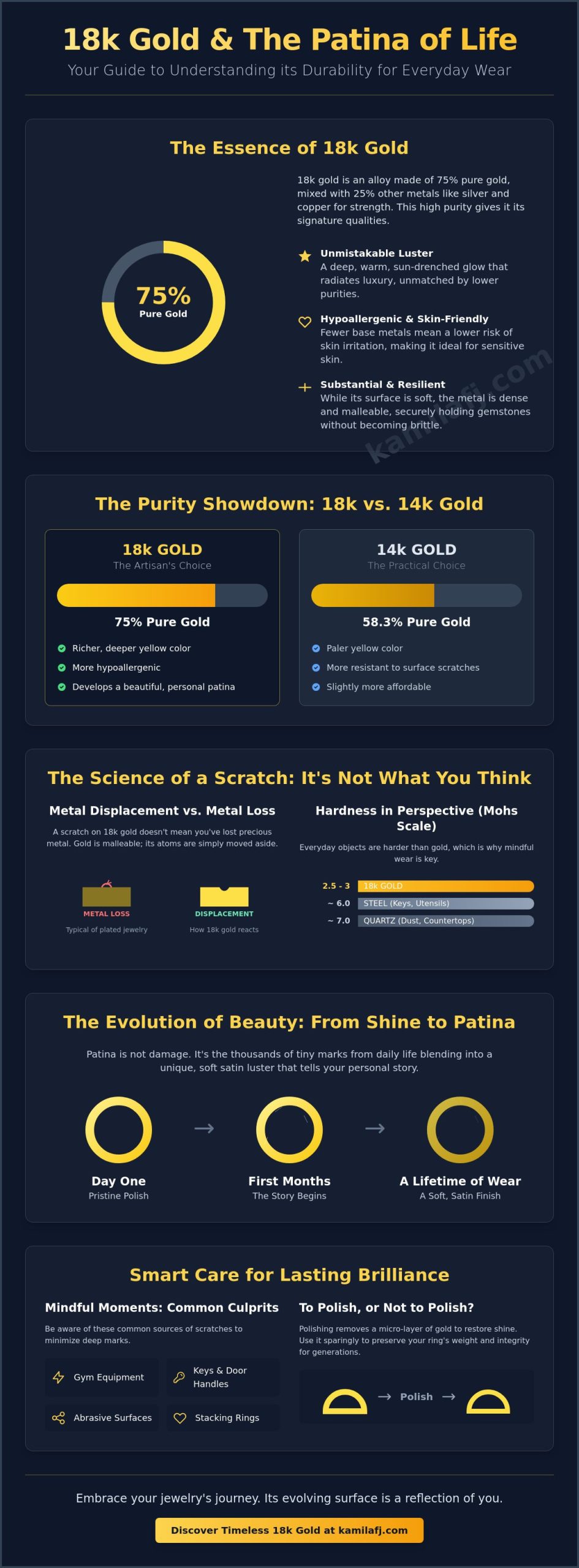
18K gold is a material of profound intimacy. It’s composed of 75% pure gold, a concentration that gives it that unmistakable, sun-drenched glow and a weight that feels substantial against the skin. Because pure gold is naturally soft, it’s blended with other gold alloys like silver, copper, or palladium to provide the structure needed for fine jewelry. This high gold content makes 18K naturally softer than 14K or 10K alternatives. However, in the world of high-end craftsmanship, softness doesn’t mean your ring is fragile or prone to breaking. It simply means the surface is more receptive to the story of your life.
Many people ask is 18k gold durable enough for everyday wear when they notice a tiny scuff after just a few days. The answer is a confident yes. While 18K gold is more susceptible to surface scratches, its structural integrity remains robust. These marks aren’t signs of a flaw; they’re the signature of high-purity metal. Choosing 18K is a conscious decision to embrace a material that lives with you, responding to your touch and the environment you move through every day.
The Mohs Scale and Your Daily Life
On the Mohs scale of mineral hardness, 18K gold typically sits between 2.5 and 3. For perspective, a ceramic coffee mug or a steel door handle is significantly harder. Even the invisible particles of dust on a shelf contain silica, which is hard enough to leave a microscopic trace on your jewelry. Even a soft touch from a harder material creates a mark. This isn’t a failure of craftsmanship, but a simple reality of how different materials interact in our modern world.
Displacement vs. Metal Loss
When you see a scratch on your 18K gold ring, you aren’t actually losing metal. Gold is incredibly dense and malleable. Instead of being scraped away like wood or plastic, the gold atoms simply shift or compress. Imagine pressing a spoon into soft butter; the butter isn’t gone, it has just moved to the side. This is fundamentally different from gold-plated jewelry, where a scratch can strip away the thin surface to reveal a cheaper base metal underneath.
When deciding if is 18k gold durable enough for everyday wear, remember that its ability to shift rather than shatter makes it exceptionally long-lasting. This metallurgical resilience is why 18K gold remains a premier choice for engagement rings and heirlooms meant to last for generations. Your ring isn’t wearing away. It’s evolving. Each mark is a tiny record of a day lived, a hand held, or a task completed.
18K vs. 14K Gold: Hardness and Purity Explained
Choosing between 18K and 14K gold is a decision between two different philosophies of jewelry. 18K gold consists of 75% pure gold, or 18 parts gold to 6 parts alloy. In contrast, 14K gold contains only 58.3% pure gold. While 14K is often marketed for its industrial hardness, it lacks the soulful depth and prestige that high-purity metal provides. At KaMila, we choose 18K because it honors the traditional properties of gold, offering a material that is as rich in history as it is in color. Because it contains fewer base metals, 18K is also significantly more skin-friendly and hypoallergenic, making it an ideal choice for those with sensitive skin.
Many first-time buyers worry if 18k gold durable enough for everyday wear compared to its 14K counterpart. While it’s true that the higher gold content makes the surface more prone to minor scuffs, this purity is what allows the metal to act as a protective emblem. 18K gold is remarkably tough. It effectively “hugs” the gemstones it holds, providing a secure and resilient setting that won’t easily snap or crack under pressure. It’s a choice for the individual who values artisanal quality and a piece that feels substantial on the body.
Why 18K Gold Glows Differently
The visual difference between these two purities is striking. 18K gold possesses a warm, saturated yellow hue that radiates a sense of quiet luxury. This deep glow comes from the high concentration of pure gold, balanced with silver and copper to maintain a soft, buttery finish. These rich tones provide the perfect canvas for modern stones, and they pair beautifully with the crisp brilliance of lab diamonds. The result is a piece of jewelry that doesn’t just sit on the skin but seems to illuminate it from within.
The Durability Myth
There is a common misconception that 18K gold is too fragile for a busy life. In reality, while 14K is harder on the surface, it is also more brittle. The higher alloy content in 14K can make it prone to stress cracking over many years. 18K gold is more malleable, meaning it can absorb the shocks of daily life without breaking. Our designs, including our signature gold bracelets, are engineered to balance this natural delicacy with structural integrity. We invite you to explore our collection and see how 18K gold can become a seamless part of your daily expression.
So, is 18k gold durable enough for everyday wear? It certainly is, provided you appreciate that its “softness” is actually a sign of its enduring, flexible strength. It doesn’t just survive your daily routine; it records it with grace.
Daily Life and Your Jewelry: Common Culprits of Scratches
Living with fine jewelry shouldn’t feel like walking on eggshells. We’ve explored the metallurgical reasons behind gold’s softness, but understanding the practical “why” behind surface marks helps you wear your pieces with confidence. Most scratches don’t happen in a vacuum. They’re often the result of brief, high-pressure encounters with materials much harder than gold. When people ask is 18k gold durable enough for everyday wear, they’re often really asking how to navigate a busy life without compromising their jewelry’s beauty. The truth is that 18K gold is incredibly resilient, but it does require a bit of mindful awareness.
The “Diamond Effect” is one of the most surprising causes of wear. While lab diamonds are virtually indestructible, the gold they sit in is not. A diamond’s edge is sharp enough to slice through glass, so it can easily leave a deep gouge in a neighboring gold band if they rub together. Understanding the relationship between 18K vs. 14K Gold composition helps explain why this happens. To keep your collection pristine, consider these high-risk habits that often lead to unintended marks:
- Gym sessions: Gripping steel weights or pull-up bars causes significant friction.
- Gardening: Natural soil contains silica and grit that act like sandpaper against gold.
- Heavy cleaning: Abrasive sponges and certain chemical cleaners can dull a high-polish finish.
- Manual labor: Tasks involving metal tools or rough stone surfaces are best done with bare hands.
The Friction of Stacking Rings
Minimalist stacks are a beautiful way to tell your story, yet they often show more wear on the sides of the bands. This “friction of elegance” occurs when two rings rub against each other throughout the day. If your rings are slightly too large, they’ll spin and collide more frequently. Using thin spacer bands or ensuring your pieces are sized correctly can significantly reduce this internal wear. For more ideas on creating a balanced look, you can explore our guide on styling fine jewelry to curate a collection that lasts.
Unexpected Abrasives
Sometimes the culprits are invisible. Tiny grains of sand at the beach or grit in your garden can create microscopic scratches that eventually dull a high-polish finish. Is 18k gold durable enough for everyday wear? Absolutely, as long as you remember to slip off your rings before diving into heavy manual tasks or using abrasive household sponges. This small act of care ensures your jewelry remains a protective emblem of your history rather than a casualty of the chores. Your jewelry is designed to be lived in, but it deserves a moment of rest when the work gets rough.
To Polish or Not to Polish? Maintaining Your Ring’s Luster
Many owners feel a rush of excitement when they see their ring sparkling under boutique lights. Eventually, that high-polish finish softens into a more muted glow. You might be tempted to have it professionally polished every few months to reclaim that mirror-like surface. However, professional polishing is an abrasive process. It actually removes a microscopic layer of gold to reveal the fresh metal beneath. If you do this too often, you’ll eventually thin the band and weaken the setting. This is a critical factor when considering is 18k gold durable enough for everyday wear. The metal is structurally sound, but your maintenance habits dictate its long-term lifespan.
We suggest viewing maintenance as a ritual of care for a modern heirloom rather than a battle against aging. Instead of fighting every tiny mark, use a soft, non-abrasive buffing cloth for a daily glow. This simple tool removes oils and fingerprints without stripping away your ring’s unique history. Reserve professional polishing for the restoration of deep gouges rather than light surface scuffs. By choosing a gentle approach, you ensure the piece remains as substantial decades from now as it was on the day you first wore it.
The Professional Polishing Process
Jewelers use high-speed wheels and specialized compounds like rouge to smooth out the surface of the metal. We recommend a professional check-up once a year. This visit isn’t just about shine; it’s an opportunity to ensure your stones are secure and the prongs haven’t shifted. At KaMila, we provide expert jewelry repair services and professional maintenance to bring your pieces back to their original brilliance when the time is right.
At-Home Care for 18K Gold
You don’t need industrial chemicals to keep your 18K gold radiant. Follow these simple steps for a safe, effective clean:
- Soak: Place your jewelry in a bowl of warm water mixed with a few drops of mild dish soap for ten minutes.
- Brush: Use a very soft toothbrush to gently scrub the metal.
- Focus: Clean the area behind the diamond or gemstone, as dust and lotion accumulate there and block light.
- Rinse and Dry: Rinse in clean water and pat dry with a lint-free cloth.
Be careful with ultrasonic cleaners. While they’re excellent for diamonds, the intense vibrations can loosen stones or damage more delicate gems. Is 18k gold durable enough for everyday wear? It absolutely is, provided you balance professional check-ups with gentle at-home care to protect the integrity of the piece for the next generation.
Embracing the Patina: 18K Gold as a Living Record
The journey of a piece of jewelry doesn’t end when it leaves the artisan’s bench. It truly begins when it touches your skin. Over months and years, your ring will develop what we call a patina. This is a soft, satin-like finish that emerges as thousands of tiny, microscopic scratches blend together. Instead of seeing these marks as flaws, we invite you to view them as a living record of your experiences. Every scuff represents a day lived, a challenge met, or a moment of joy shared. This natural evolution helps answer the common question: is 18k gold durable enough for everyday wear?
This perspective on jewelry as a narrative is deeply rooted in tradition. In our look at Ashkenazi jewelry, we see how objects serve as symbols of history and heritage. Your 18K gold ring is no different. It is a protective emblem that travels through life with you, becoming more personal with every passing year. The first scratch isn’t a tragedy. It’s the opening sentence of your ring’s unique story. Fine jewelry is an intimate expression of the wearer’s journey, and its beauty only deepens as it becomes a part of your identity.
The Beauty of the Matte Finish
A brand-new, high-polish ring has a certain cold brilliance. As you wear it, that surface settles into a beautiful, low-luster matte finish that feels warmer and more organic. This transition reflects our minimalist philosophy at KaMila. We find beauty in simplicity and the natural evolution of materials. A worn heirloom has a soul that a factory-perfect piece simply cannot match. The shift from a mirror shine to a velvety patina is a sign that the piece has been loved and lived in, rather than kept in a box.
Your Story, Handcrafted
Because your ring is handcrafted from 18K gold, it possesses a structural integrity that allows it to age with exceptional poise. It’s designed for the duality of strength and delicacy. 18k gold captures the memories of the wearer. When you consider if is 18k gold durable enough for everyday wear, you’ll find that its true strength is its ability to age alongside you without losing its essence. It doesn’t just survive your daily routine; it celebrates it. We invite you to explore our collection of handcrafted 18K gold rings designed to be worn every day and cherished for a lifetime.
Let Your Jewelry Tell Your Story
We’ve explored how the high purity of 18K gold makes it a unique material that evolves alongside you. By understanding that scratches are simply gold atoms shifting rather than metal being lost, you can wear your pieces with a sense of quiet confidence. You don’t need to choose between luxury and a life well-lived. When you ask if is 18k gold durable enough for everyday wear, the answer lies in its flexible strength and the way it securely protects the stones it holds. Your ring isn’t just an accessory; it’s a protective emblem of your history.
Our minimalist designs are handcrafted in 18K gold and feature sustainable lab-grown diamonds, ensuring that your jewelry is as ethical as it is beautiful. These pieces are intended to be part of your daily routine, growing more personal with every mark and scuff. We invite you to embrace the soft glow of a life in motion and trust in the enduring quality of artisanal craftsmanship. Discover 18K Gold Rings Designed for Your Daily Story and start building a collection that reflects your unique identity with grace and meaning.
Frequently Asked Questions
Is it normal for my 18k gold ring to scratch after only one week?
Yes, it’s completely normal for high-purity gold to show its first marks within days of wear. Because 18K gold contains a high percentage of pure metal, its surface is naturally receptive to the world around it. These early scratches aren’t signs of poor quality or a defect. Instead, they represent the beginning of your jewelry’s personal journey and its transition into a unique heirloom.
Will white gold scratch less than yellow gold?
Not necessarily. While white gold is often plated with rhodium for a bright, silvery finish, the 18K gold underneath remains the same purity. Rhodium is a very hard metal and provides a temporary shield against fine scuffs. However, once this thin plating wears down through daily friction, the gold will show scratches just like yellow gold. The difference is primarily aesthetic rather than a significant change in base metal hardness.
Can I remove scratches from my 18k gold ring at home?
You can’t safely remove deep scratches at home, but you can certainly maintain the ring’s luster. Using a soft jewelry buffing cloth helps smooth out microscopic surface marks and restores a gentle shine. For deeper gouges, it’s best to visit a professional artisan for a light refinishing. Attempting to sand or polish the metal yourself with household items can cause uneven wear or permanent damage to the delicate setting.
Does 18K gold scratch significantly easier than 14K gold?
18K gold is technically softer than 14K gold due to its higher gold content. However, in daily life, the difference is often less dramatic than people expect. While 14K might resist fine surface scuffs slightly longer, both metals will eventually develop a patina. Many people find the rich, warm color of 18K outweighs the minor increase in scratch resistance offered by lower-karat alloys. It’s a balance of beauty and purity.
Are scratches on an 18k gold ring permanent?
Surface scratches are permanent in the sense that they don’t “heal,” but they aren’t static. Over time, thousands of tiny marks blend together to create a soft, satin finish known as a patina. If you prefer a mirror-like shine, a professional jeweler can refinish the piece to its original state. However, many owners grow to love the unique character these marks provide, viewing them as a living record of their sentimental heirlooms.
Should I take my ring off at the gym to prevent scratching?
Does professional polishing damage my 18k gold ring over time?
Professional polishing doesn’t damage the ring in a traditional sense, but it does remove a microscopic layer of gold. If you polish your jewelry too frequently, the band and prongs will eventually become thinner and more fragile. We suggest limiting professional refinishing to once a year or even less. This thoughtful balance preserves the structural integrity of your piece while keeping it looking radiant for your most special occasions.
Why does 18k gold develop a patina while other metals don’t?
18K gold develops a patina because its high purity makes the metal malleable enough to record every interaction. Other metals, like tungsten or stainless steel, are industrially hard and resist these changes completely. This unique quality is why many collectors choose 18K. It transforms from a static object into a living record of your life, gaining a warmth and depth that harder, more “perfect” metals simply can’t replicate over time.
Related Posts

Jewelry Design in Haifa: What to Expect in 2026
-
Posted by
מילה קלר
If you’re searching “jewelry design consultation in Haifa what to expect,” you may be wondering what to bring, which decisions you’ll need to make,…
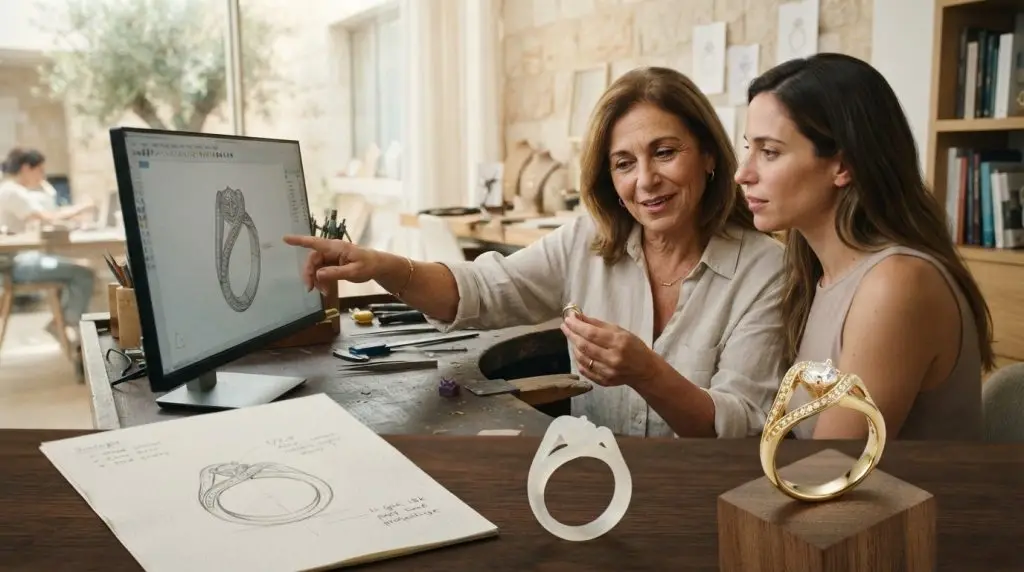
From Sketch to Sparkle: Ensuring the Final Piece Matches Your Jewelry Design
-
Posted by
You’ve spent weeks dreaming of a ring that captures your story, but as you look at the artist’s rendering, a small doubt creeps in. Will that…
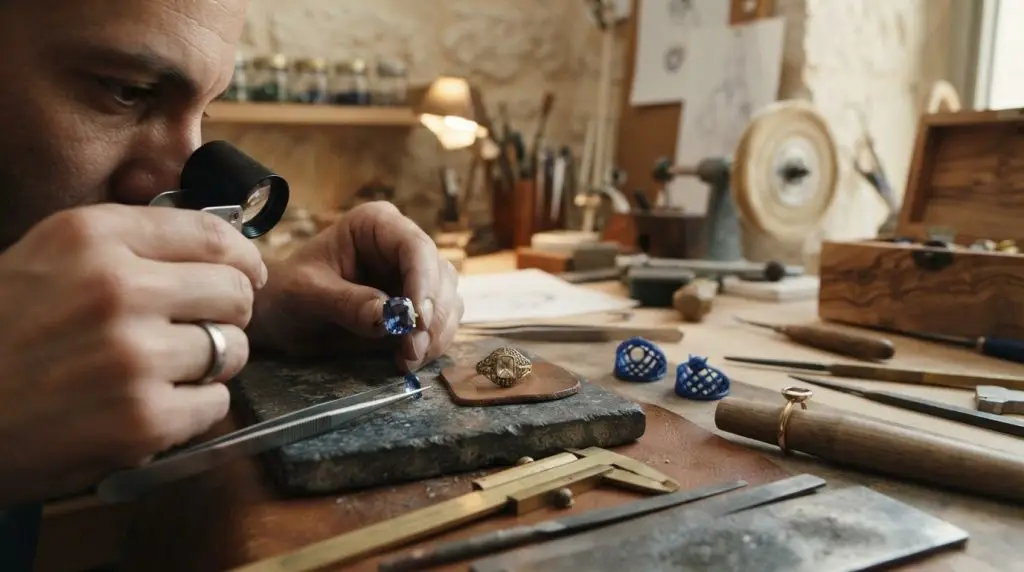
Repurposing Heirloom Stones into Modern Custom Jewelry: The Complete 2026 Guide
-
Posted by
What if keeping an inherited ring tucked away in a dark jewelry box isn’t protecting your family history, but silencing it? It’s completely natural…
Designing a Custom 18k Gold Ring: 2026 Bespoke Guide
-
Posted by
What if the most exquisite jewelry you ever own isn’t reserved for formal galas, but crafted to enrich your daily life? When you start exploring…
Red Flags When Choosing a Custom Jewelry Designer: A 2026 Guide to Protecting Your Vision
-
Posted by
Imagine spending months dreaming of a bespoke 18k gold ring, only to open the velvet box and find a piece that feels like a generic retail cast…

Jewelry That Makes Me Feel Protected and Strong: A Guide to Modern Talismans
-
Posted by
Most people view a necklace or a ring as a simple finishing touch, but for the modern woman, it’s often the first layer of emotional armor she puts…
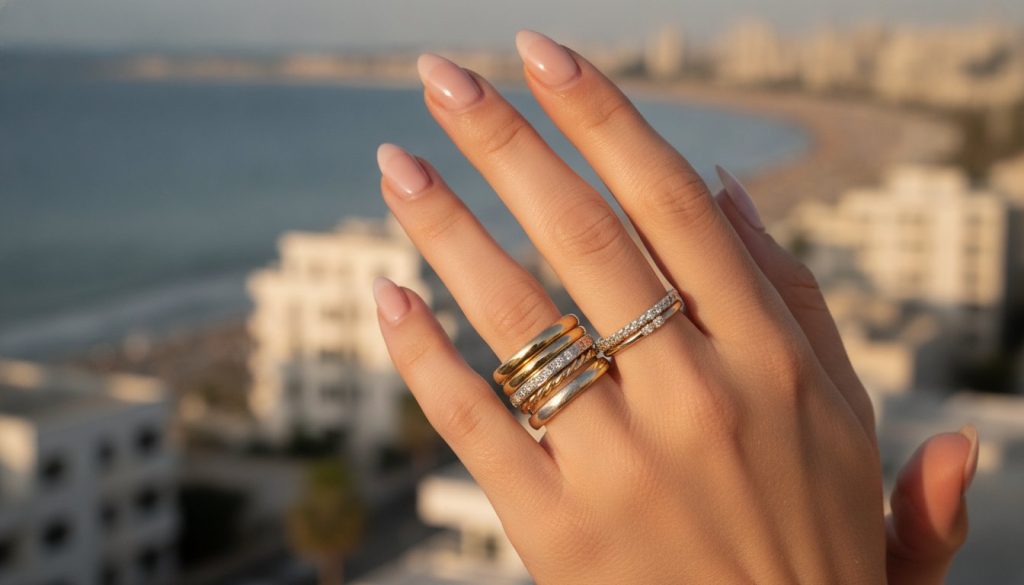
How to Stack Rings: The Art of Curating Your Personal Story in 18K Gold
-
Posted by
What if your jewellery box wasn’t just a collection of objects, but a living timeline of your most cherished milestones? You’ve likely looked at a…
Minimalist Gold Rings: A Guide to Curating Your Timeless 18K Collection
-
Posted by
Your jewelry shouldn’t have an expiration date. Too many of us have felt the frustration of a cherished piece tarnishing or causing skin irritation…

Getting a Better Price Than Big Brand Jewelers in Israel: The Insider’s Guide 2026
-
Posted by
That iconic logo on a shopping bag in a Tel Aviv mall might feel like a mark of quality, but it’s often the most expensive way to buy a memory. When…

18k Gold Earrings for New Piercings: Safe Styling Guide
-
Posted by
What if the most rewarding part of your piercing journey wasn’t the initial appointment, but the moment you finally swap those generic studs for…

18k Gold Minimalist Bracelets: The Ultimate Guide to Timeless Everyday Luxury
-
Posted by
True minimalism isn’t about having less; it’s about requiring more from the few pieces you choose to wear every day. If you’ve ever felt the…

18k Gold Stud Earrings: The Ultimate Guide to Everyday Luxury
-
Posted by
Why should the jewelry you wear every single day be the piece that irritates your skin or loses its radiance before the season even turns? It’s a…